Where it took place
| Type | Place |
|---|---|
| Region | Asia |
| Country | Cambodia |
Campaign at a glance
In 2014, Cambodian garment workers, supported by international allies, campaigned for a living wage of $177 per month and better working conditions [source: nv-database]. The campaign began with strikes and marches in Phnom Penh, faced violent government repression, and later shifted to pressuring international clothing brands. While the government raised the minimum wage to $128, the original demand was not met, though some companies later pledged improvements [source: nv-database].
Tactics used
- [boycotts-and-strikes
- nonviolent direct action
- petitions and e campaigning
Background
Cambodia’s garment industry accounts for over 80% of exports and is known for labor exploitation, with 90% female workers facing intimidation, bribes, and short-term contracts [source: nv-database]. The minimum wage was under $100 per month in early 2014, $20 below the poverty line, and workers demanded a living wage of $177 [source: nv-database]. The political climate was tense after disputed 2013 elections, with the opposition CNRP promising a $160 minimum wage if elected [source: nv-database].
What happened
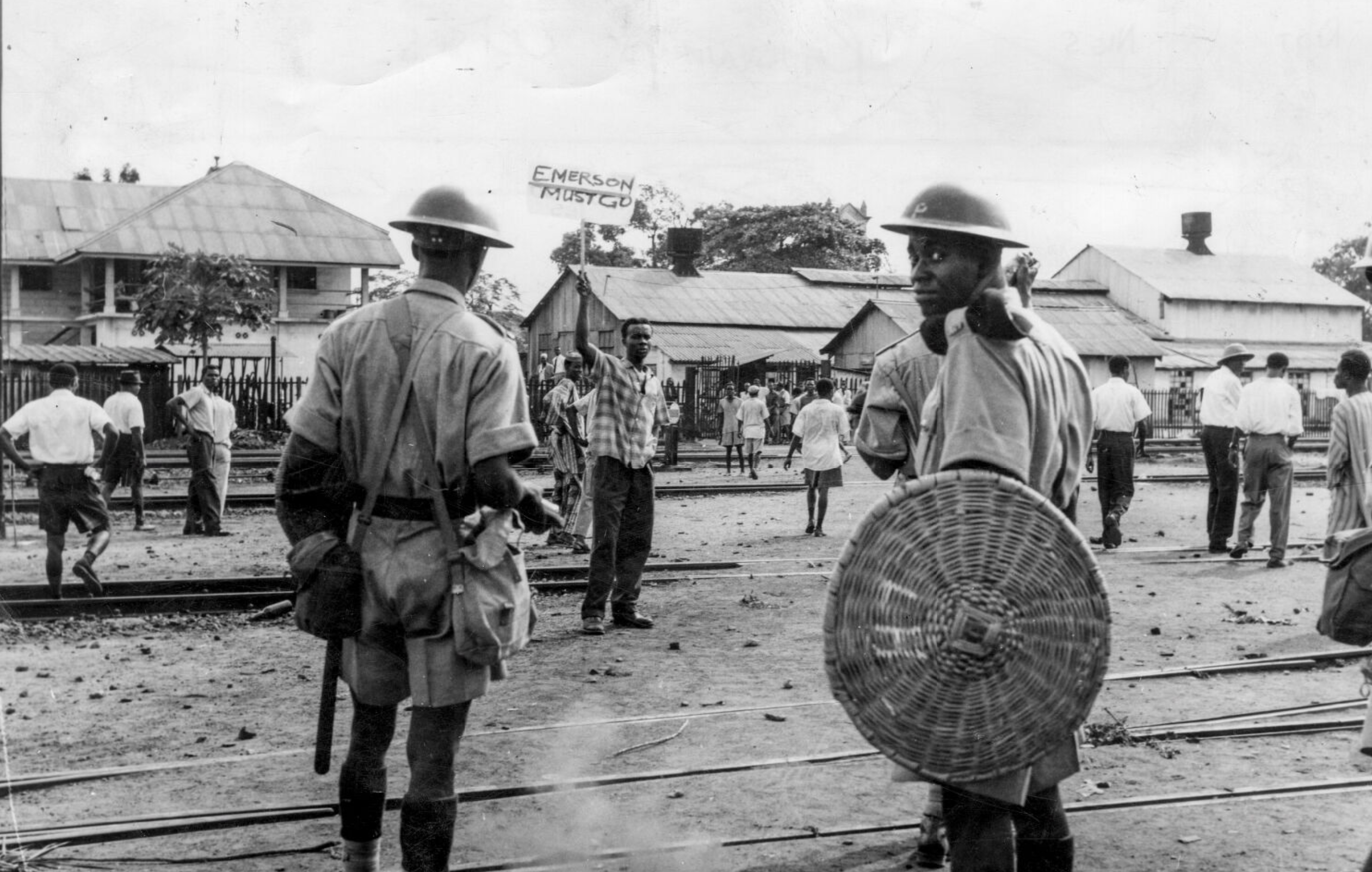
Lead photo. — Wikimedia Commons contributor (Public domain). Source: cambodian-garment-workers-protest-corporations-for-177-monthly.png

On 3 January 2014, garment workers in Phnom Penh went on strike after the government refused to raise the minimum wage to $160. [source: nv-database] Police fired at protesters, killing four and injuring over twenty [source: nv-database]. The next day, workers in Por Senchey District refused to leave and threw bottles, stones, and petrol bombs at police [source: nv-database]. A month later, Prime Minister Hun Sen lifted the ban on protesting but warned of ‘pro-government support’ against ‘anti-government acts’ [source: nv-database]. Workers then shifted tactics to pressure international clothing companies directly [source: nv-database]. The CNRP, which had supported the movement, withdrew support after Hun Sen was elected president of the CPP in June [source: nv-database]. On 17 September 2014, over 10,000 workers from 139 factories marched in Phnom Penh, distributing stickers and t-shirts saying ‘We Need $177!’ [source: nv-database]. The campaign gained traction in India and the US, with United Students Against Sweatshops organizing a ‘Day of Action’ on 17 September using social media [source: nv-database]. On 12 November 2014, the government raised the minimum wage to $128, short of the $177 demand [source: nv-database]. In March 2015, authorities cracked down, arresting union leaders and firing workers [source: nv-database]. In October 2015, eight major companies including H&M and Inditex announced plans to meet the living wage and improve standards, but progress was slow [source: nv-database]. USAS released a petition and called for a global day of action on 10 December 2015, with supporters protesting at H&M and Walmart stores in the US [source: nv-database].
Key people & organizations
- Cambodian garment workers
- United Students Against Sweatshops
- Coalition of Cambodian Apparel Workers Democratic Union
- Cambodian National Rescue Party (CNRP)
- Cambodian People’s Party (CPP)
- Prime Minister Hun Sen
- Nike
- GAP
- H&M
- Inditex (Zara)
- New Look
Outcome
Verdict: partial.
The campaign achieved a partial wage increase to $128 per month and pledges from major companies to improve conditions, but the original demand for $177 was not met. Implementation of corporate promises was delayed and bureaucratized, and government repression continued. [source: nv-database]
Lessons
- Shifting targets from a repressive government to international corporations can open new leverage points.
- Global solidarity campaigns using social media and coordinated days of action amplify local demands.
- Partial gains may be achieved even when the full demand is not met, but sustained pressure is needed to ensure implementation.
Sources
- Global Nonviolent Action Database —
nv-database
Disclaimer: Included as a teaching example of campaign craft, not as endorsement.
Sources & verification
nv-database— grounding: primary — license: link-only- Rewritten: 2026-06-25 via
worker_casestudies_v2.py