
Where it took place
| Type | Place |
|---|---|
| Region | North America |
| Country | United States |
Campaign at a glance
In Cambridge, Maryland, African American activists and students led a campaign from 1962 to 1963 to end public segregation and create public housing [source: nv-database]. The campaign, organized by groups like the Cambridge Nonviolent Action Committee (CNAC) and the Student Nonviolent Coordinating Committee (SNCC), used marches, sit-ins, and a downtown boycott [source: nv-database]. Despite violent opposition and the declaration of martial law, the campaign achieved a de jure end to segregation through the Treaty of Cambridge in July 1963 [source: nv-database].
Tactics used
- [boycotts-and-strikes
- nonviolent direct action
- civil-resistance
- coalition building
Background
Cambridge, Maryland, was racially divided in 1960, with African Americans facing quadruple the unemployment rate of whites and pervasive segregation in public and private spaces [source: nv-database]. The campaign aimed to end public segregation and create public housing, targeting local businesses and government institutions.
What happened
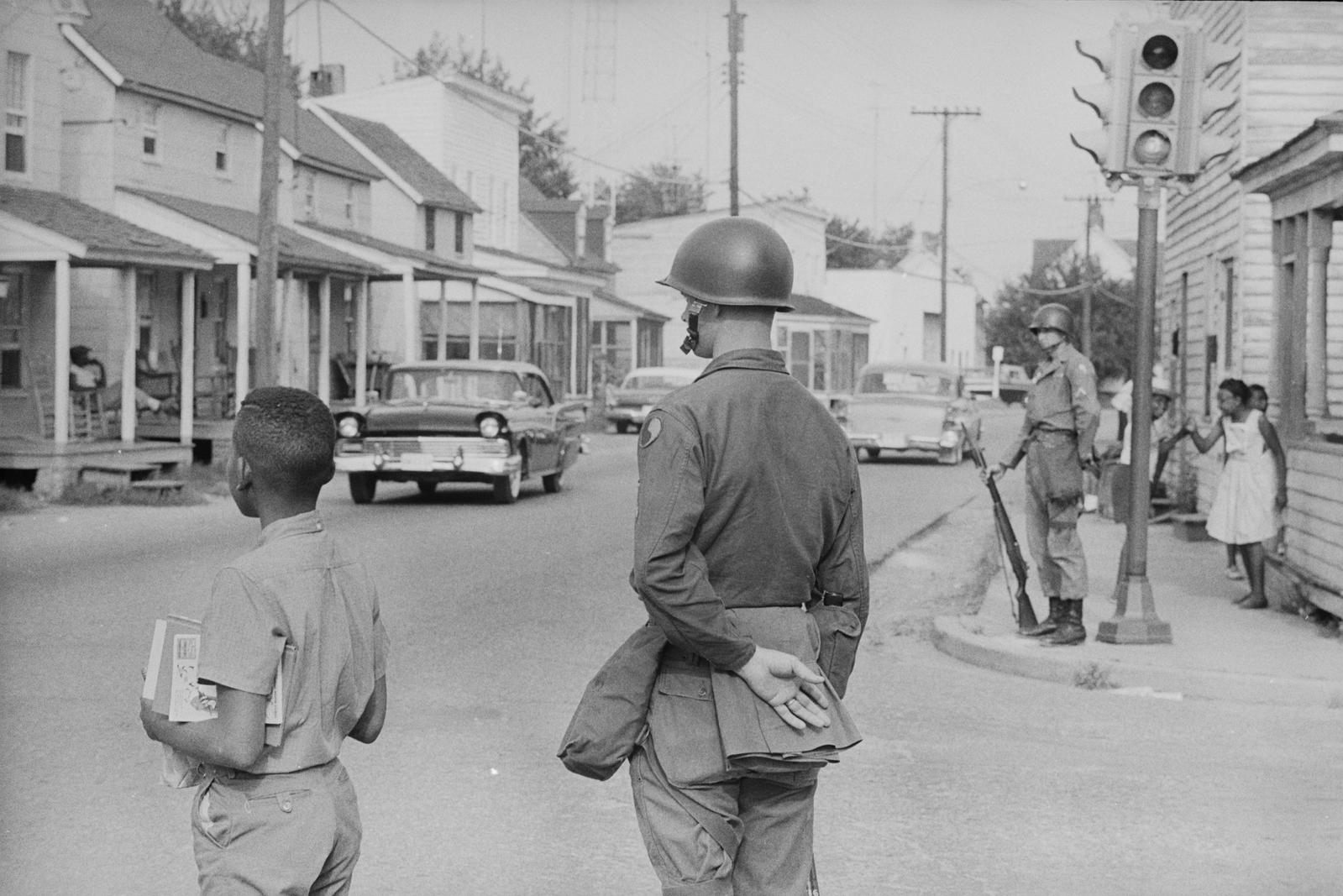
Lead photo. — Warren K. Leffler (Public domain). Source: cambridge-maryland-activists-campaign-for-desegregation-usa.jpg

In January 1962, CIG and SNCC affiliates led a march in Cambridge protesting segregation; police arrested and townspeople beat demonstrators, leading to the formation of the Cambridge Nonviolent Action Committee (CNAC) [source: nv-database]. A week later, a larger march included CORE members and black and white students from various colleges [source: nv-database]. State senator Frederick Malkus led opposition, with police allowing white crowds to beat demonstrators [source: nv-database]. Later in 1962, Governor Tawes passed an anti-discrimination bill, but an amendment allowed counties to ignore it [source: nv-database]. On March 29, 1963, fifty protesters marched against discriminatory policies at the Dorsett Theater and Rescue and Fire Company; police arrested seventeen, including Gloria Richardson [source: nv-database]. The next day, protesters held a sit-in at Collins Drugstore and demonstrations at multiple locations; CNAC called for a full-scale boycott, leading to eighty arrests within seven weeks [source: nv-database]. On June 13, 1963, five hundred protesters marched; the next night, violence erupted on both sides with fires, bricks, and gunfire [source: nv-database]. Governor Tawes offered to speed up desegregation and build public housing, but CNAC rejected the offer; Tawes declared martial law and sent troops on June 14 [source: nv-database]. CNAC met with Tawes and Assistant Attorney General Burke Marshall to pressure school desegregation by fall 1963 [source: nv-database]. The National Guard left on July 8, but violence continued, including an assault by proprietor Robert Fehsenfeld at Dizzyland Restaurant [source: nv-database]. On July 10, 300 whites surrounded 250 black protesters; violence at Dizzyland on July 11 led to the National Guard’s return [source: nv-database]. On July 23, with Robert Kennedy presiding, the Treaty of Cambridge was signed, calling for immediate desegregation of schools and hospitals, public housing, hiring of black workers, and a human relations commission [source: nv-database].
Key people & organizations
- Civic Interest Group of Baltimore (CIG)
- Student Nonviolent Coordinating Committee (SNCC)
- Reggie Robinson
- Bill Hansen
- Cambridge Nonviolent Action Committee (CNAC)
- Gloria Richardson
- Congress of Racial Equality (CORE)
- Robert Kennedy
- Frederick Malkus
- Brice Kinnamon
- Osvrey Pritchett
- Rescue and Fire Company (RFC)
- J. Millard Tawes
Outcome
Verdict: won.
The campaign achieved 5 out of 6 demands, including a de jure end to segregation in Maryland through the Treaty of Cambridge, though the campaign was not entirely nonviolent due to violence on both sides [source: nv-database].
Lessons
- Coalition-building with diverse student groups and national organizations can strengthen local campaigns.
- Economic boycotts can effectively pressure local businesses and government to negotiate.
- Sustained nonviolent direct action, even in the face of violent repression, can force political concessions.
Sources
- Global Nonviolent Action Database —
nv-database
Disclaimer: Included as a teaching example of campaign craft, not as endorsement.
Sources & verification
nv-database— grounding: primary — license: link-only- Rewritten: 2026-06-25 via
worker_casestudies_v2.py
Learn more
- On Wikipedia: Cambridge movement (civil rights) — CC BY-SA 4.0