
Where it took place
| Type | Place |
|---|---|
| Region | Africa |
| Country | Central African Republic |
Campaign at a glance
From March 1990 to August 1993, worker and student unions in the Central African Republic campaigned for unpaid salaries, a multi-party national congress, and the resignation of President Kolingba [source: nv-database]. Through strikes, demonstrations, and general strikes, they pressured the government to hold a democratic election. In August 1993, a fair election brought Ange-Félix Patassé to power, who paid twelve months of owed wages, though a national congress was not verified [source: nv-database].
Tactics used
- boycotts and strikes
- nonviolent direct action
- civil-resistance
- coalition building
Background
After independence in 1960, the Central African Republic experienced military coups, and President Kolingba outlawed unions and political parties after taking power in 1981 [source: nv-database]. In 1988 he lifted the ban on unions, and by 1990 workers and students united to demand unpaid salaries, a multi-party national congress, and Kolingba’s resignation [source: nv-database].
What happened
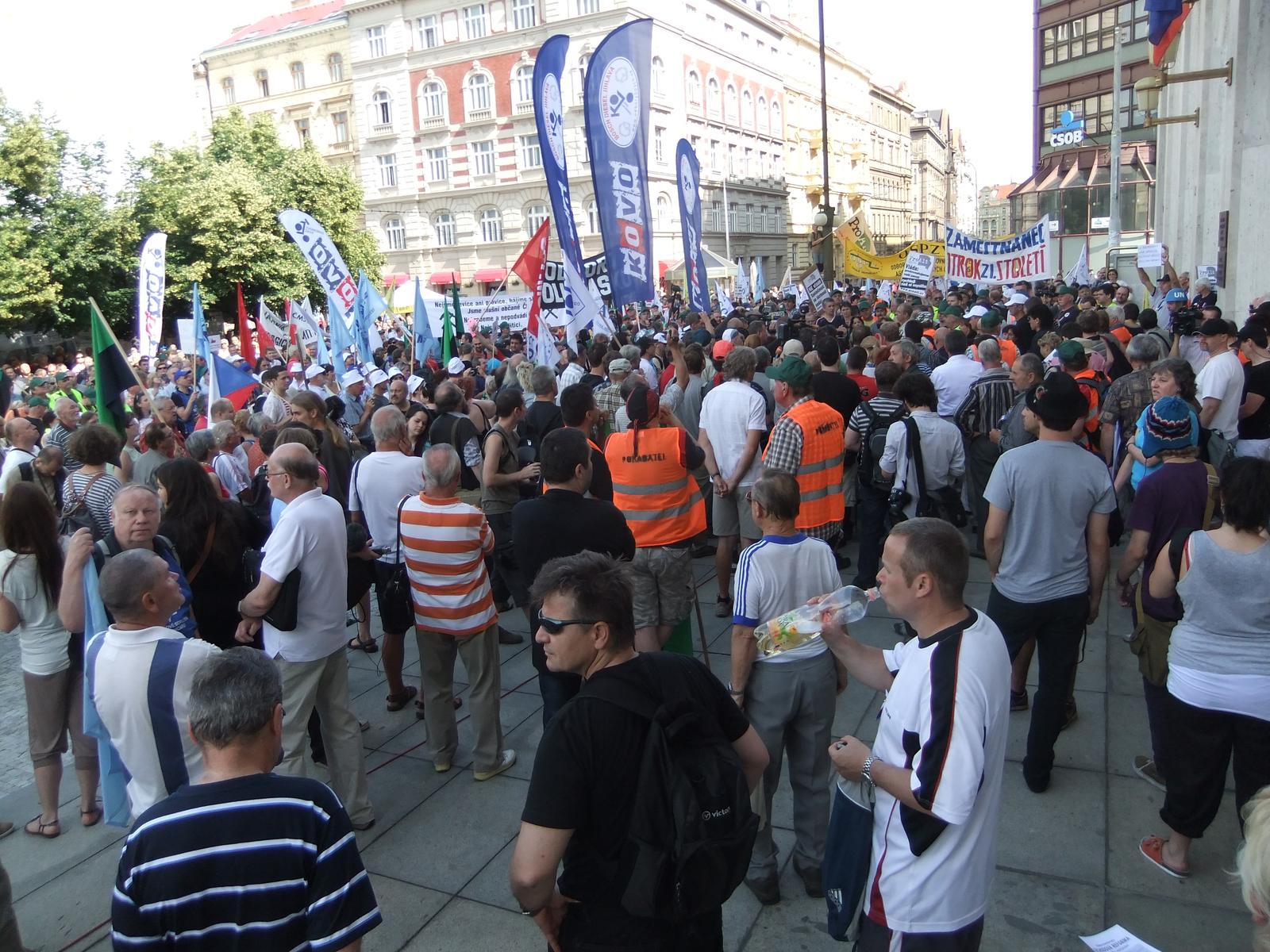
Lead photo. — Wikimedia Commons contributor (CC BY 3.0). Source: central-african-republic-unions-strike-for-democracy-1990-1993.jpg

In March 1990, students and unemployed civil workers struck for economic and government reform, and the Coordinating Committee for a National Congress (CCCN) demanded a multi-party congress [source: nv-database]. Kolingba rejected these demands in May 1990, and between May and August the government detained supporters [source: nv-database]. On 12 September 1990, police arrested 23 CCCN members meeting to organize a demonstration [source: nv-database]. In October 1990, thousands of teachers and health workers struck for pay raises and a multi-party congress; the USTC declared a general strike on 21 November, but the government refused to recognize it and the strike ended on 4 December without salary increases [source: nv-database]. On 22 April 1991, Kolingba permitted formation of other political parties [source: nv-database]. On 29 April, the National Labor Federation (five public unions) struck for unpaid March and April salaries and rehiring of suspended workers; Prime Minister Frank asked them to resume work but they continued [source: nv-database]. On 4 May, hundreds of students demonstrated in Bangui with signs like ‘Pay our Parents’; police used tear gas, and some demonstrators built barricades and assaulted passersby, which the unions said was infiltration to undermine the protest [source: nv-database]. On 7 May, Federation leaders met Frank and denied responsibility for the violence; on 8 May they said they would return to work on 26 May if unpaid salaries were provided [source: nv-database]. On 25 May, the government paid March salaries and promised April pay; on 30 May the Federation continued the strike because the government refused to pay for May during the strike, and about 20,000 civil servants did not resume work [source: nv-database]. On 4 June, the private sector called a 48-hour general strike in Bangui, halting the economy; police arrested union leaders Jackson Mazette, Pierre Ngaga-Mangou, and Germain Zoungala [source: nv-database]. On 5 June, Frank said demands were met and the strike was political; some private sector workers struck for a full week [source: nv-database]. On 17 June, students called a general strike for a multi-party national congress, halting Bangui’s economy; the government took the federation of five public unions to court, which adjourned without conclusion on 21 June [source: nv-database]. On 24-25 June, trade unions called another general strike; many private workers returned after two days [source: nv-database]. On 4-5 July, students and workers demonstrated; police arrested 34 trade union leaders after demonstrators allegedly attacked undercover police searching for Theophyle Sonikole [source: nv-database]. The arrested leaders called for a general strike until Kolingba agreed to a national conference for an interim government and multi-party election [source: nv-database]. On 7 July, Frank announced multi-party government was incorporated into the constitution and threatened to dismiss public employees if they did not return to work on 8 July [source: nv-database]. On 25 July, the Teachers Trade Union Federation called for a strike to prevent classes from starting on 1 August, demanding release of arrested members, removal of security forces from the Labor Exchange, and full payment of May and June wages; teachers and students demonstrated, built barricades, and briefly held a French aid worker hostage to gain French support for a national conference [source: nv-database]. Police arrested student leader Cyrus-Emmanuel Sandy; on 31 July, three arrested union leaders received suspended sentences of one to two years [source: nv-database]. On 3 August, unions led strikes in education and health; two days later students demonstrated demanding the resignation of Frank and Kolingba [source: nv-database]. Strikes lessened in 1992 as the government began negotiating a national conference; in September 1992 Kolingba announced an election for the next month [source: nv-database]. After two years of stalling, under French pressure, a democratic election was held in August 1993; Ange-Félix Patassé won and paid twelve months of owed wages to civil servants [source: nv-database].
Key people & organizations
- Jackson Mazette
- Pierre Ngaga-Mangou
- Germain Zoungala
- Theophyle Sonikole
- Cyrus-Emmanuel Sandy
- Union Syndicale des Travailleurs de Centrafrique (USTC)
- Central African Democratic Rally (RDC)
- Coordinating Committee for a National Congress (CCCN)
- Federation of Trade Unions of Central African Republic
- General Timothee Malendoma
- President Anre Kolingba
- Prime Minister Edouard Frank
- Ange-Félix Patassé
Outcome
Verdict: partial.
The campaign achieved partial success: a democratic election was held in August 1993 and Patassé paid twelve months of owed wages, but it was not verified that a national multi-party congress was formed, and political unrest continued under Patassé [source: nv-database].
Lessons
- Sustained strikes and general strikes can disrupt the economy and force government concessions.
- Coalition-building between worker unions and student groups can broaden the base of a campaign.
- External pressure, such as from France, can be crucial in pushing a government toward democratic reforms.
Sources
- Global Nonviolent Action Database —
nv-database
Disclaimer: Included as a teaching example of campaign craft, not as endorsement.
Sources & verification
nv-database— grounding: primary — license: link-only- Rewritten: 2026-06-25 via
worker_casestudies_v2.py