
Where it took place
| Type | Place |
|---|---|
| Region | Europe |
| Country | Jersey |
Campaign at a glance
During World War II, Channel Islanders in Jersey and Guernsey engaged in nonviolent resistance against German occupation from 1941 to 1945 [source: nv-database]. They used symbolic acts, underground newspapers, and protests to boost morale and resist German control [source: nv-database]. Although the occupation was not ended and some were deported, the campaign significantly improved morale and demonstrated solidarity.
Tactics used
- [boycotts-and-strikes
- nonviolent direct action
- civil-resistance
- framing and narrative
Background
The Channel Islands, British territories, were occupied by German forces in 1940 during World War II [source: nv-database]. The islands adopted a policy of ‘passive cooperation,’ but after Britain interned German civilians in Persia, Germany deported 2200 Channel Islanders to internment camps [source: nv-database]. The goal of the campaign was to boost morale, help people escape, noncooperate with German forces, and end the occupation [source: nv-database].
What happened
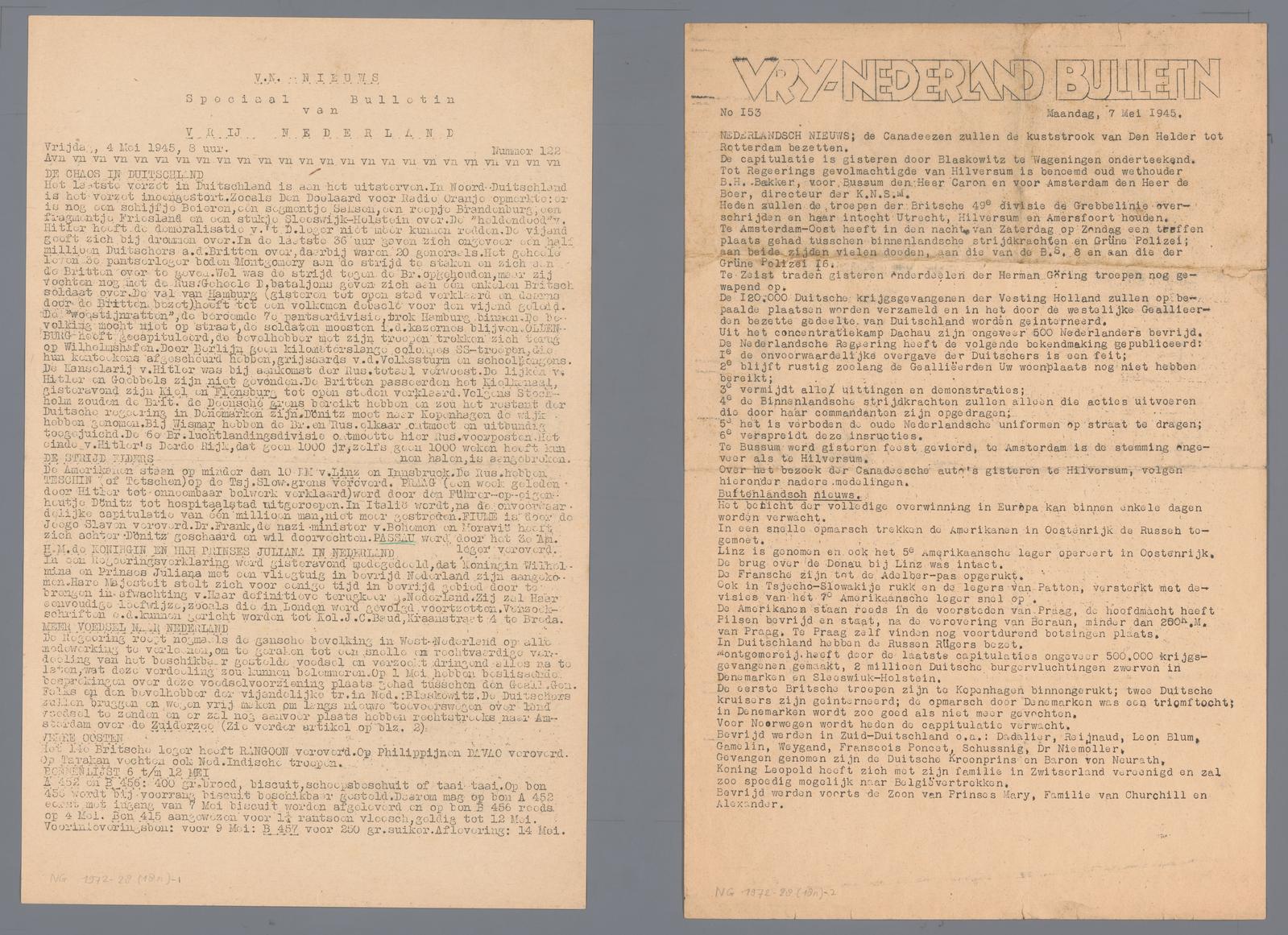
Lead photo. — Wikimedia Commons contributor (CC0). Source: channel-islanders-resist-german-occupation-in-wwii-1941-1945.jpg

Channel Islanders engaged in passive resistance including minor sabotage, working slowly, sheltering escaped slave workers, publishing underground newspapers, and listening to banned BBC broadcasts [source: nv-database]. The V sign campaign spread across the islands, with ‘V’ painted over German signs, engraved in cups, stitched in clothes, and hidden in paintings; one woman created a V footprint with Red Cross string on her shoe [source: nv-database]. In 1941, Edmund Blampied designed banknotes that revealed a V when folded, and in 1942 created stamps hiding ‘GR’ for King George VI [source: nv-database]. Artists Claude Cahun and Suzanne Malherbe distributed anti-German fliers made from BBC reports, placing them in soldiers’ pockets and throwing them into cars; they were arrested in 1944 and sentenced to death, though the sentence was never carried out [source: nv-database]. In 1942, the first large demonstration occurred in Guernsey when 200 people sang patriotic songs, and crowds marched in St. [source: nv-database] Helier, Jersey, with banners reading ‘Churchill’ and ‘England’; fourteen men were arrested, some serving up to a month in prison [source: nv-database]. In 1943, a second round of deportations targeted WWI officers, Jews, and ‘undesirables,’ but prisoners continued the V campaign until occupation ended in 1945 [source: nv-database].
Key people & organizations
- Channel Islanders
- German Military
- Edmund Blampied
- Claude Cahun
- Suzanne Malherbe
- Monty Manning
Outcome
Verdict: partial.
The campaign achieved 2 out of 6 points for specific demands and 0.5 out of 1 for survival, totaling 3.5 out of 10 points; it did not end the occupation or save the deported, but had a tremendously positive effect on morale [source: nv-database].
Lessons
- Symbolic acts can maintain morale and solidarity even under heavy occupation.
- Small, distributed acts of resistance can be difficult for an occupying force to suppress.
- Creative use of everyday objects (e.g., banknotes, stamps) can spread resistance messages covertly.
Sources
- Global Nonviolent Action Database —
nv-database
Disclaimer: Included as a teaching example of campaign craft, not as endorsement.
Sources & verification
nv-database— grounding: primary — license: link-only- Rewritten: 2026-06-25 via
worker_casestudies_v2.py
Learn more
- On Wikipedia: Sark during the German occupation of the Channel Islands — CC BY-SA 4.0