
Climate Change and Gender Justice - Oxfam Policy & Practice
Summary
Climate Change and Gender Justice (Oxfam GB / Practical Action Publishing, 9 November 2009, ISBN 978-1-85339-693-9, 240 pp.) is an edited volume in the Working in Gender & Development series that argues climate change is often framed as a mainly technical and economic problem and shows through case studies how gender issues are entwined with people’s vulnerability to climate impacts in developing countries [source: oxfam]. It features case studies of women and men adapting their livelihoods to climate change and examines how gender-equality concerns should be integrated into international climate negotiations to ensure new policies do not disadvantage poor women but rather deliver them benefits [source: oxfam]. The book continues the argument made at the 2007 UN Climate Change Conference in Bali — “No climate justice without gender justice” — into a practical resource for adaptation programming.
Tactics used
- advocacy
- research
Background
Climate adaptation policy has historically been dominated by infrastructure, technical and economic framings; Oxfam GB’s Gender & Development journal has, since the 1980s, argued that gender equality must be treated as a precondition for climate justice, not a parallel concern [source: oxfam]. The Bali rallying call in 2007 connected grassroots women’s groups, feminist donors, and UN negotiators around the same argument: climate-change mitigation and adaptation policies that ignore gender will tend to reinforce existing inequalities and miss the most vulnerable populations [source: oxfam]. This book consolidates the evidence base for that argument in a 240-page practitioner reference.
What happened
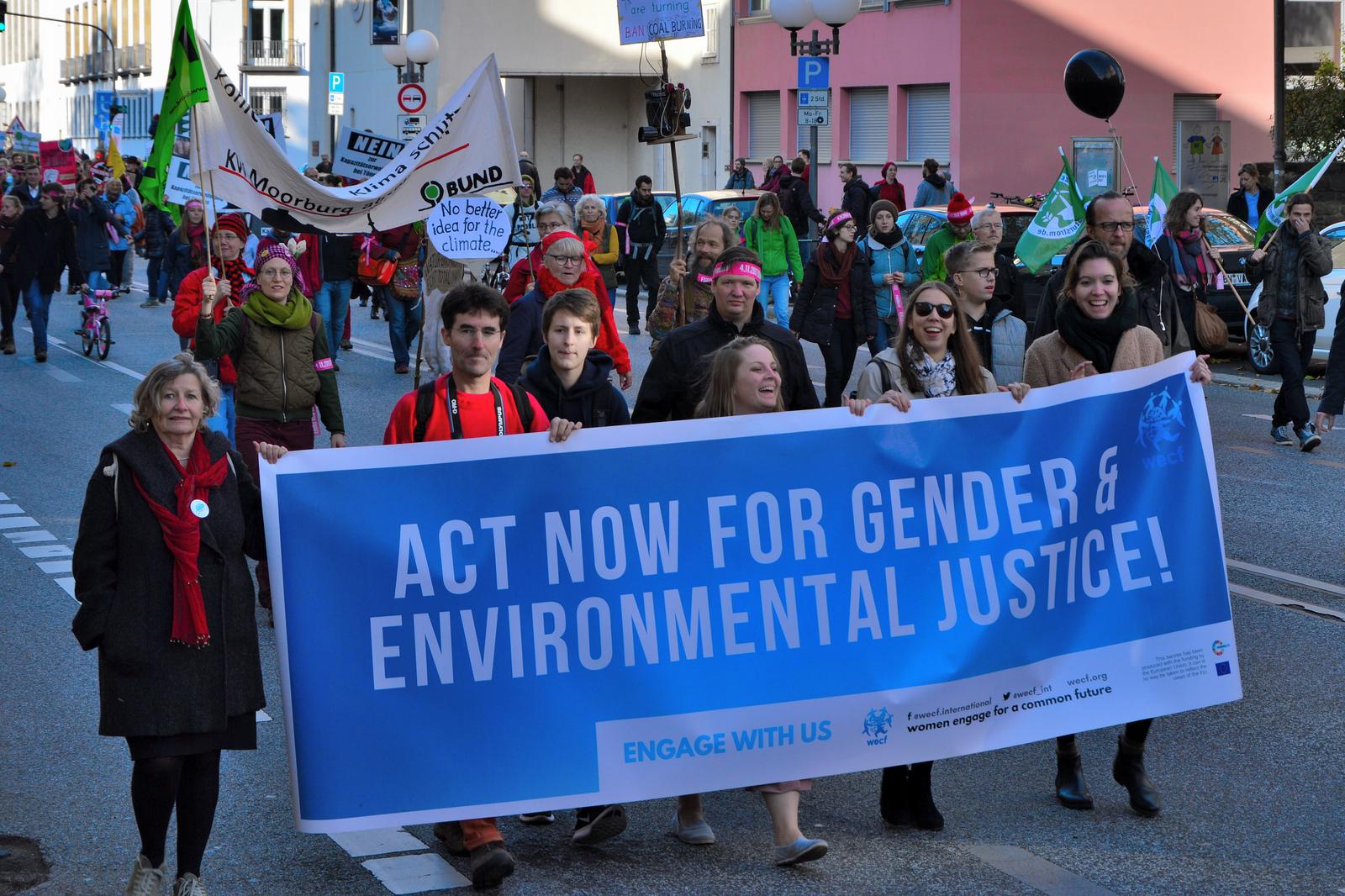
Lead photo. — Wikimedia Commons contributor (CC). Source: climate-change-and-gender-justice-oxfam-policy-practice.jpg
The volume compiles case studies from developing countries showing how women and men experience climate change and adapt their livelihoods to survive, often against extraordinary odds [source: oxfam]. Contributors examine how gender-equality concerns should be integrated into international negotiations and agreements on climate change mitigation and adaptation [source: oxfam]. The book is part of the Working in Gender & Development series, which brings together themed selections of the best articles from Oxfam’s Gender & Development journal, supplemented with specially commissioned articles and material from other Oxfam publications; each title is edited by a key thinker in the field [source: oxfam].
Key people & organizations
- Geraldine Terry — editor [source: oxfam]
- Oxfam GB — publisher [source: oxfam]
- Practical Action Publishing — co-publisher [source: oxfam]
- Contributors to the Gender & Development journal drawn from the Oxfam network [source: oxfam]
- 2007 UN Climate Change Conference (Bali) lobbyists who popularised the “No climate justice without gender justice” framing [source: oxfam]
Outcome
Verdict: ongoing.
The book is a 2009 policy reference that synthesises case-study evidence and argues for integrating gender into international climate negotiations; it does not adjudicate a single campaign outcome [source: oxfam]. Its contribution to campaigners is to provide a practitioner-tested case-study base for gender-just adaptation programming and to keep the gender-just framing alive in international climate negotiations [source: oxfam].
Lessons
- A long-running framing slogan (“No climate justice without gender justice” — Bali 2007) can outlast the conference at which it was coined and become durable practitioner vocabulary if it is anchored in published case studies.
- Edited compilations of journal articles are a low-cost way to turn scattered field experience into a reference that funders and policy shops will actually cite.
- Adaptation programming that ignores gender tends to reproduce existing inequalities: water, agricultural extension, and disaster relief are the most common examples cited in the volume.
- Series publishing (here, Working in Gender & Development) gives successive volumes compounding credibility — later volumes ride on the editorial track record of earlier ones.
Sources
Disclaimer: Included as a teaching example of campaign craft, not as endorsement.
Sources & verification
oxfam— grounding: primary — license: link-only- Held note: This is a policy book / case-study anthology, not a single named campaign event. Useful as a case study of how Oxfam framed gender-just climate adaptation; not appropriate for promotion to
establishedas a campaign event. - Rewritten: 2026-06-25 via
worker_casestudies_v2.py; deepened 2026-07-10 againstRAW/climate-change-and-gender-justice-oxfam-policy-practice.md.