
"Climate Justice Conversations in Action: 11 Case Studies"
Summary
This collection of case studies, compiled by the Advocacy Research Network, provides a comprehensive look at climate conversation program insights from across Australia. [source: climate-justice-conversations-in-action-11-case-studies] The programs range from hyperlocal place-based campaigns in rural Queensland to national election mobilisation efforts, demonstrating that climate conversations work best when grounded in shared values and local concerns. [source: climate-justice-conversations-in-action-11-case-studies] The evidence shows that regional and rural Australians care deeply about climate issues when conversations are framed around their lived experiences and community values. [source: climate-justice-conversations-in-action-11-case-studies]
Background
The collection was created by the Advocacy Research Network to document climate conversation programs across Australia, which have emerged as a promising approach for creating lasting attitude change against climate disinformation. These programs prioritise genuine listening, values-based dialogue, and peer-to-peer connection to overcome climate scepticism and build grassroots momentum.
What happened
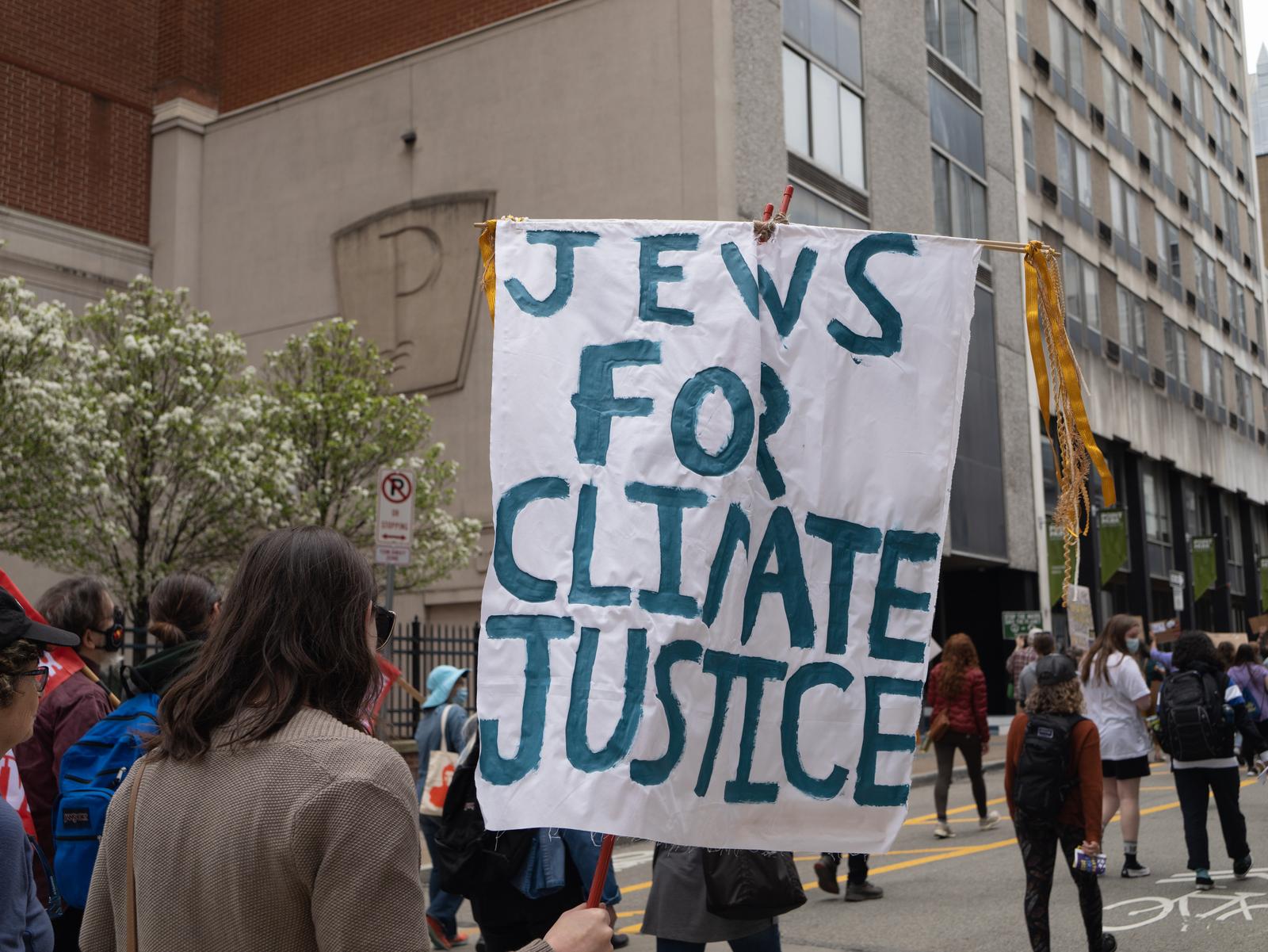
Lead photo. — Wikimedia Commons contributor (CC). Source: climate-justice-conversations-in-action-11-case-studies.jpg
The case studies cover diverse programs: 350.org Australia’s 2025 federal election program tripled its core volunteer base from 20 to 57 people and conducted over 2,100 conversations across five local groups [source: commons-library]. ACF’s 2025 federal election campaign aimed for one million conversations but fell short of that target, though it reached hundreds of thousands across key electorates [source: commons-library]. AYCC’s ‘Youth Decide’ program for the 2022 federal election used deep canvassing techniques with over 100 volunteers over 12 weeks [source: commons-library]. CAFNEC evolved from door-to-door conversations to ‘table talks’ following climate disasters like Cyclone Jasper from 2021-2024 [source: commons-library]. Climate for Change pioneered the ‘kitchen table conversations’ model, facilitating over 2,500 conversations reaching more than 10,000 people across Australia [source: commons-library]. The Gasfield Free Communities movement began in 2012 in the Northern Rivers and eventually reached over 480 communities across the country [source: commons-library]. The Hunter Community Alliance used facilitated small-group conversations to discuss energy transition in coal-dependent regions [source: commons-library]. The 2022 federal election saw independent candidates using conversation programs, with 55,000 doors knocked in Kooyong alone [source: commons-library]. The Powerhouse Museum’s ‘100 Climate Conversations’ program profiled 100 Australians taking climate action from 2022-2023 [source: commons-library]. Psychology for a Safe Climate runs Climate Cafés and other programs addressing psychological impacts of the climate emergency [source: commons-library]. South Australia’s Community Climate Conversations engaged over 750 people across 114 conversations statewide in 2023 [source: commons-library].
Key people & organizations
- 350.org Australia
- Australian Conservation Foundation (ACF)
- Australian Youth Climate Coalition (AYCC)
- Cairns and Far North Environment Centre (CAFNEC)
- Climate for Change
- Gasfield Free Communities
- Hunter Community Alliance
- Hunter Jobs Alliance
- Powerhouse Museum
- Psychology for a Safe Climate (PSC)
- South Australia Community Climate Conversations
- Advocacy Research Network
Tactics used
- framing-and-narrative
- coalition-building
- nonviolent-direct-action
- petitions-and-e-campaigning
- public-narrative
The programs combined door knocking, market stalls, phone banking, kitchen table conversations, and community forums with values-based dialogue and genuine listening to build trust and grassroots momentum. This multi-channel approach allowed adaptation to local contexts while maintaining focus on authentic engagement. [source: commons-library]
Outcome
Verdict: unknown.
The collection does not declare a single outcome for the overall initiative, as it is a compilation of case studies with varying results. Some programs achieved significant scale and volunteer growth, while others faced challenges in reaching undecided voters or maintaining momentum post-election. [source: commons-library]
Lessons
- Climate conversations work best when grounded in shared values, rooted in local concerns, and facilitated through trusted relationships.
- Effective programs avoid confrontation or fact-dumping, instead creating safe spaces for people to process concerns and explore solutions together.
- Regional and rural Australians care deeply about climate issues when conversations are framed around their lived experiences and community values.
- Success depends on matching program design to community context, organisational capacity, and strategic objectives.
Sources
- commons-library —
[[commons-library]]
Disclaimer: Included as a teaching example of campaign craft, not as endorsement.
Sources & verification
commons-library— grounding: primary — license: link-only- Rewritten: 2026-06-25 via
worker_casestudies_v2.py
Learn more
- On Wikipedia: Climate movement — CC BY-SA 4.0