
"Climate Justice: Loss and damage action research: Case studies of Malawi,"
Summary
This study was undertaken to support and empower Southern African leaders, activists, civil society organizations and policymakers in the debate on losses and damages caused by climate impacts, in the lead up to COP 27 and beyond. [source: climate-justice-loss-and-damage-action-research-case-studies-of] It used an action research approach to document lived experiences of loss and damage and co-produce a loss and damage narrative through case studies and participatory workshops with survivors, communities, activists, civil society and decision-makers. [source: climate-justice-loss-and-damage-action-research-case-studies-of] The study focused on Malawi, Mozambique and Zimbabwe. [source: climate-justice-loss-and-damage-action-research-case-studies-of]
Background
The study was conducted in the context of the climate crisis affecting Southern Africa, with impacts such as Cyclone Idai, drought, and flooding causing loss and damage. The goal was to support Southern African leaders, activists, CSOs and policymakers in the debate on losses and damages caused by climate impacts, particularly in the lead up to COP 27 and beyond.
What happened
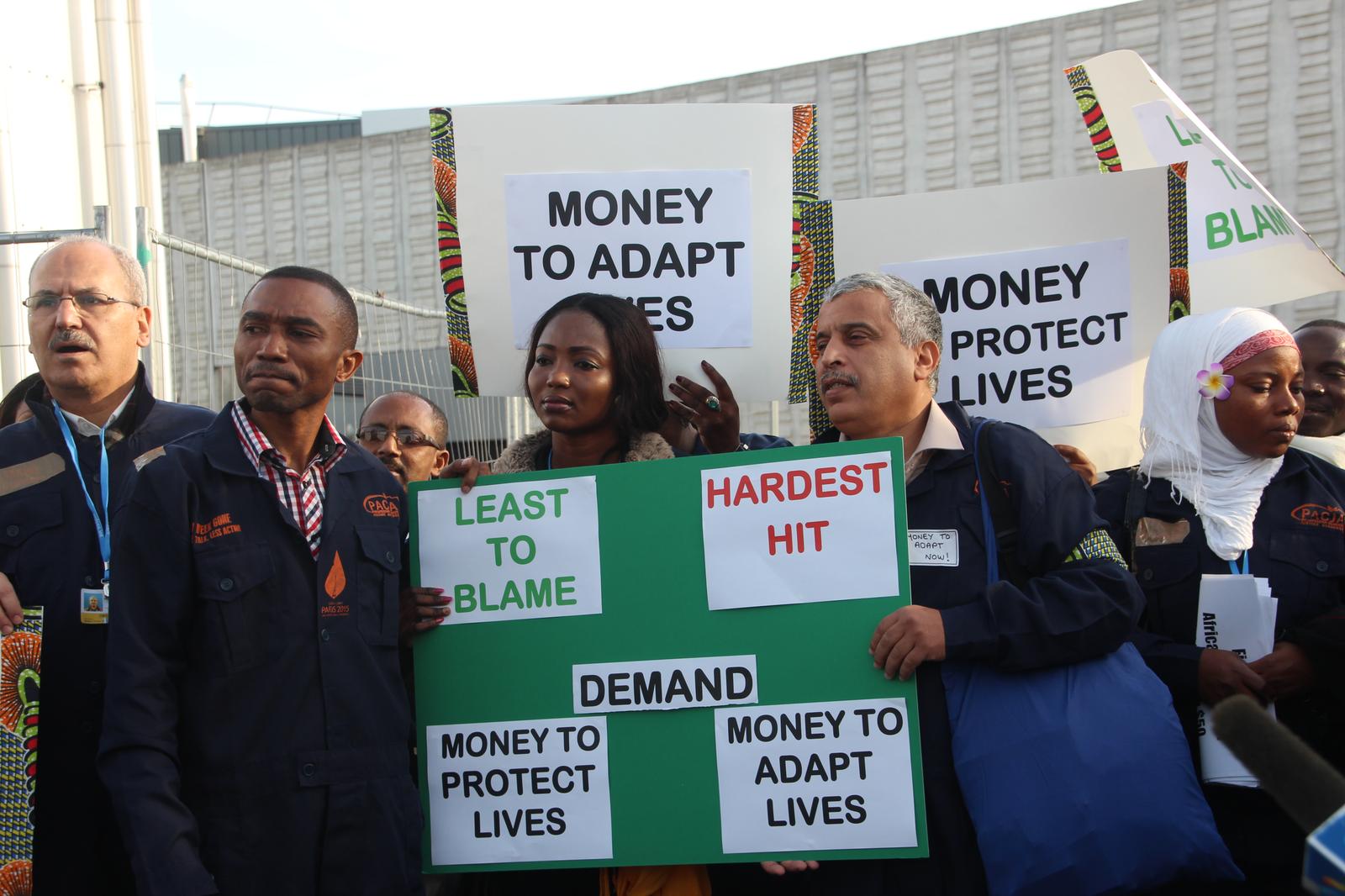
Lead photo. — John Englart (CC BY-SA 2.0). Source: climate-justice-loss-and-damage-action-research-case-studies-of.jpg

The study used an action research approach to document and make sense of lived experiences of loss and damage from climate impacts in Malawi, Mozambique and Zimbabwe. [source: oxfam] It involved case studies and participatory workshops with survivors, communities, activists, civil society and decision-makers to co-produce a loss and damage narrative. [source: oxfam] The research was published on 29/11/2023 by Oxfam International and aimed to empower stakeholders in the lead up to COP 27 and beyond [source: oxfam].
Key people & organizations
- Sandra Bhatasara
- Helen Jeans
- Juliet Suliwa Kasito
- Lesley Macheka
- Rosta Mate
- Loveness Msofi
- Admire Nyamwanza
- Fred Perraut
- Leonard Unganai
- Lindsay Walsh
- Oxfam International
Tactics used
The action research approach combined coalition-building and narrative framing to empower local actors and co-produce a shared narrative on loss and damage, which could then be used in advocacy and policy debates. [source: oxfam]
Outcome
Verdict: unknown.
The outcome is unknown as the source text describes the study’s purpose and methodology but does not report on specific achievements or impacts resulting from the research. [source: oxfam]
Lessons
- Participatory action research can empower local communities and co-produce narratives that strengthen advocacy for climate justice.
- Documenting lived experiences of loss and damage is crucial for building a compelling case in international climate negotiations.
Sources
- oxfam —
[[oxfam]]
Disclaimer: Included as a teaching example of campaign craft, not as endorsement.
Sources & verification
oxfam— grounding: primary — license: link-only- Rewritten: 2026-06-25 via
worker_casestudies_v2.py