
"Climate Plans for the People: Civil society and community participation in"
Summary
In 2024, all countries are updating their Nationally Determined Contributions (NDCs), which outline commitments to tackle climate change [source: climate-plans-for-the-people-civil-society-and-community] . Oxfam examined practices across 11 countries and found that NDCs were not sufficiently inclusive, often failing to involve civil society and communities who bear the burden of climate change and the impact of climate transition plans. The paper makes recommendations for the UN, governments, donors, international agencies and civil society to foster a sustainable, equitable, and inclusive environment for climate action [source: oxfam].
Background
In 2024, all countries are updating and submitting their Nationally Determined Contributions (NDCs), which are national climate plans outlining commitments towards tackling climate change [source: climate-plans-for-the-people-civil-society-and-community] . These plans impact all walks of life and must be inclusive of the whole of society, but Oxfam found that NDCs were not sufficiently inclusive, often failing to involve civil society and communities who bear the burden of climate change and the impact of climate transition plans [source: oxfam].
What happened
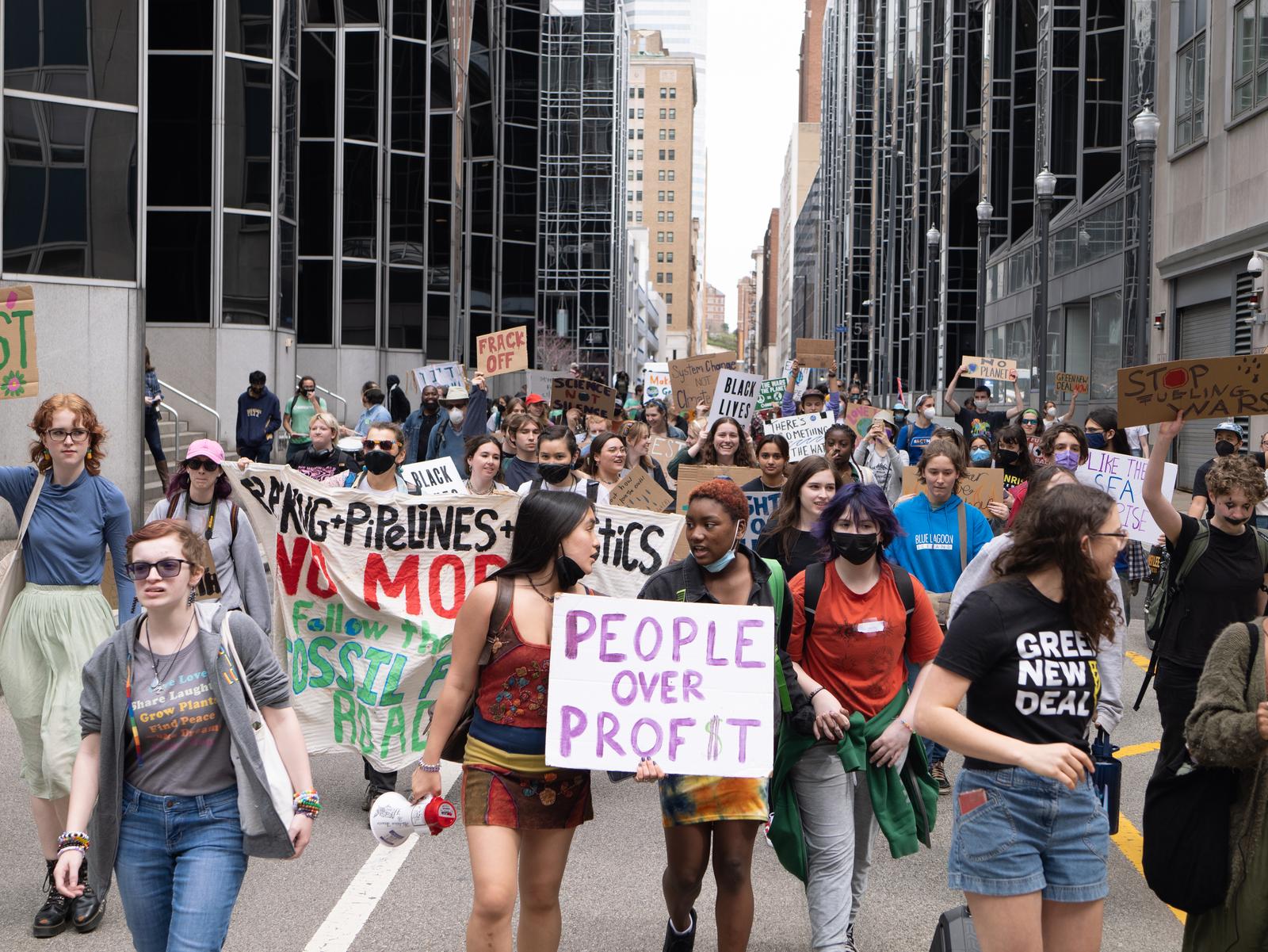
Lead photo. — Wikimedia Commons contributor (CC). Source: climate-plans-for-the-people-civil-society-and-community.jpg
Oxfam examined recent practices across 11 countries and found that NDCs were not sufficiently inclusive, often failing to involve civil society and communities who bear the burden of climate change and the impact of climate transition plans [source: oxfam]. The paper explores who the main actors are in NDCs, which stakeholders have not been included, and why [source: oxfam]. It makes recommendations for the UN, governments, donors, international agencies and civil society to foster a sustainable, equitable, and inclusive social, economic, and political environment for climate action [source: oxfam].
Key people & organizations
- Oxfam
- Oxfam Novib
- Duncan Pruett
- Christina Hill
Tactics used
The paper uses framing-and-narrative to highlight the lack of inclusivity in NDCs and petitions-and-e-campaigning to advocate for change, aiming to influence policy and practice. [source: oxfam]
Outcome
Verdict: unknown.
The outcome is unknown as the paper is a briefing note published in 2024, making recommendations for future action; it does not report on the achievement of specific goals. [source: oxfam]
Lessons
- Involving civil society and communities in national climate plans is crucial for equitable and effective climate action.
- Framing and narrative can be used to expose gaps in inclusivity and advocate for policy change.
Sources
- oxfam —
[[oxfam]]
Disclaimer: Included as a teaching example of campaign craft, not as endorsement.
Sources & verification
oxfam— grounding: primary — license: link-only- Rewritten: 2026-06-25 via
worker_casestudies_v2.py