
Where it took place
| Type | Place |
|---|---|
| Region | Europe |
| Country | Russia |
Campaign at a glance
In 1995, the Committee of Soldiers’ Mothers of Russia (CSM) led a nonviolent campaign to end the war in Chechnya and bring Russian soldiers home [source: nv-database]. Through vigils, marches, petitions, and direct negotiations in war zones, they secured the release of dozens of soldiers and increased public opposition to the war [source: nv-database]. The campaign’s direct actions were concentrated from January to June 1995, and the CSM’s credibility earned them international recognition [source: nv-database].
Tactics used
- unknown
Background
The Committee of Soldiers’ Mothers of Russia was formed in 1989 to address mistreatment of soldiers and forced military service [source: nv-database]. In November 1994, war broke out between Russia and Chechnya over Chechnya’s independence, and the CSM decided to oppose the war, aiming to end it and bring soldiers home [source: nv-database].
What happened
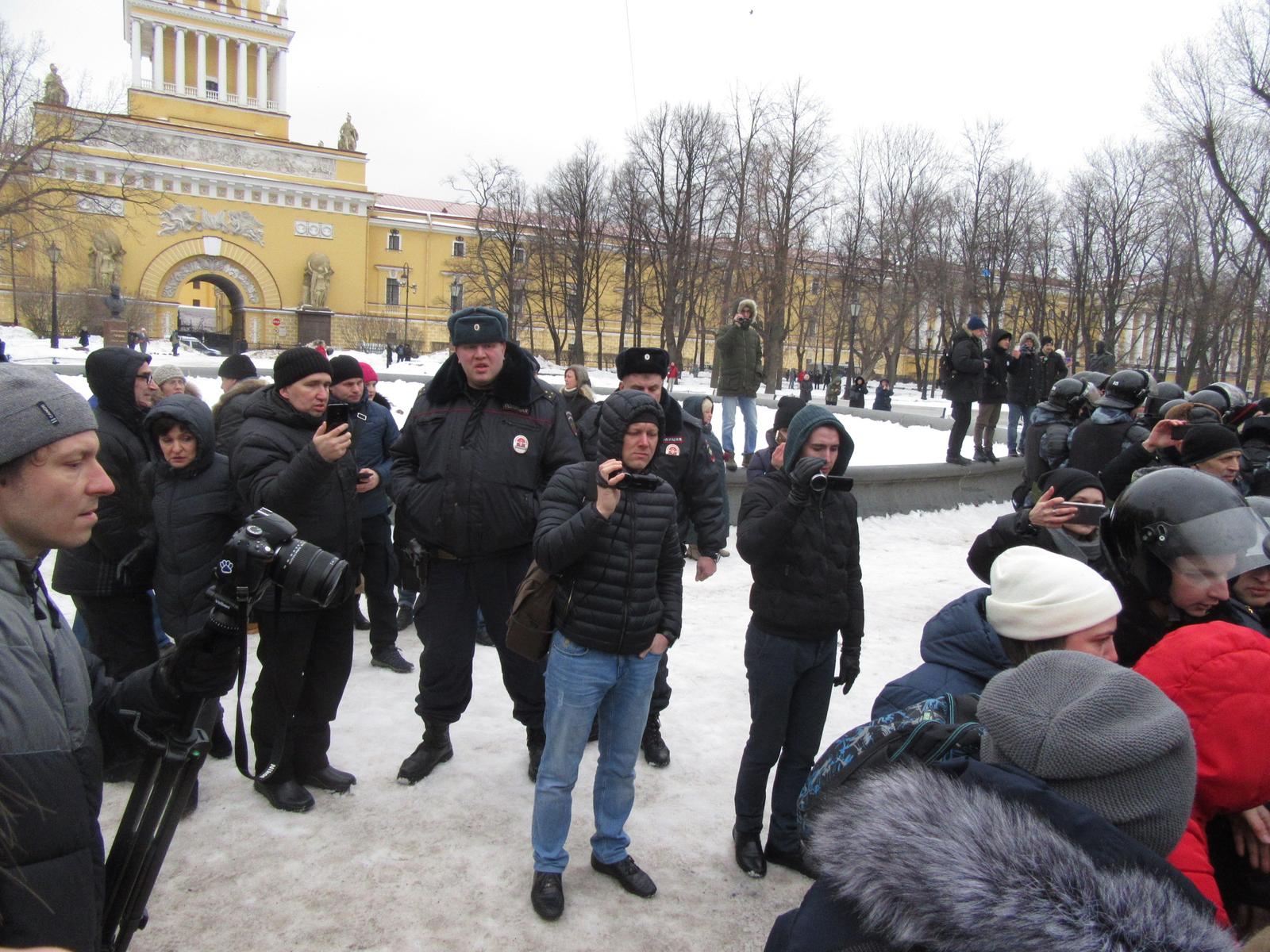
Lead photo. — Alexei Kouprianov (CC BY-SA 4.0). Source: committee-of-soldiers-mothers-of-russia-campaign-against-the.jpg

On January 3, 1995, the CSM held its first anti-war vigil on Red Square to commemorate those who died in Chechnya [source: nv-database]. On January 6, Maria Kirbasova led a group of parents into a Chechen military zone in Grozny, where they stayed until February 7, confronting and negotiating with Russian commanders, resulting in dozens of soldiers being released [source: nv-database]. In late February, small anti-war actions occurred, including a vigil on February 20 in Moscow with Buddhists and soldiers’ mothers, and a conference on February 25-26 called ‘For Life and Freedom’ with nearly 200 participants [source: nv-database]. On March 8, an anti-war gathering featured poetry, speeches, flower offerings, and nonviolence pledges [source: nv-database]. The ‘March of Parental Compassion’ then began from the Kremlin Wall toward Grozny, with 100 women carrying posters and collecting petition signatures [source: nv-database]. On March 18, the Russian Ministry of Internal Affairs stopped the march, checked documents, and threatened to halt it indefinitely; participants were delayed by train and bus, eventually reaching Nazran [source: nv-database]. On March 23, the march reached Nalchik, adding about 300 people, and humanitarian aid was delivered with planned negotiations [source: nv-database]. In April, the mothers were stopped at the Chechen border but took side streets to Sernovodsk, where Chechen women welcomed them [source: nv-database]. On April 12, MP Anatoli Shabad entered Samashki with women and reported atrocities in a press conference [source: nv-database]. On April 16, the CSM issued a statement about killings in Samashki, read on television, which was countered by Stanislav Govorukhin as over-dramatization [source: nv-database]. On April 21, CSM members, Chechen mothers, Buddhist monks, and Quakers marched through Grozny demanding peace [source: nv-database]. In May, the CSM helped launch a petition for draftees to do civilian service [source: nv-database]. The direct action phase ended in June 1995, though the CSM continued education and networking; the war ended in August 1996 [source: nv-database].
Key people & organizations
- Committee of Soldiers’ Mothers of Russia
- Maria Kirbasova
- Anatoli Shabas
Outcome
Verdict: partial.
The campaign partially achieved its goals: it liberated some soldiers and increased Russian opposition to the war, which arguably pressured the government to end the first Chechen war in 1996. However, the war continued for over a year after the direct actions, so the outcome is assessed as partial. [source: nv-database]
Lessons
- Mothers and family members can leverage moral authority to negotiate directly in conflict zones and secure releases.
- Combining local vigils with long-distance marches amplifies media attention and public pressure.
- Building alliances with diverse groups (e.g., religious leaders, other affected communities) strengthens a campaign’s legitimacy and reach.
Sources
- Global Nonviolent Action Database —
nv-database
Disclaimer: Included as a teaching example of campaign craft, not as endorsement.
Sources & verification
nv-database— grounding: primary — license: link-only- Rewritten: 2026-06-25 via
worker_casestudies_v2.py