
Where it took place
| Type | Place |
|---|---|
| Region | Latin America |
| Country | Cuba |
Campaign at a glance
Following the February 23, 2010 death of dissident Orlando Zapata Tamayo in Cuban custody, journalist Guillermo Fariñas launched a hunger strike that lasted 134 days to demand the release of 26 seriously ill political prisoners. [source: nv-database] Combined with parallel protests at Cuban embassies in Eastern Europe, weekly marches by the Ladies in White, and negotiations brokered by Cardinal Jaime Ortega and the Roman Catholic Church, the campaign won the release of 52 political prisoners in July 2010. The source scores the campaign as a victory on its main demand. [source: nv-database]
Tactics used
- hunger-strike
- marches
- petitions and e campaigning
- international-solidarity
- declarations-by-organizations-and-institutions
Background
Cuba had an active political opposition since the establishment of the communist government led by Fidel Castro on January 1, 1959. [source: nv-database] The Communist Party maintained firm control over political institutions and suppressed open organizing. Penalties for anti-government activity led to repeated arrests of opposition activists, especially during the 2003 crackdown that jailed 75 dissidents. [source: nv-database] Orlando Zapata Tamayo, a dissident prisoner, conducted a hunger strike in early 2010 to protest prison conditions and the denial of his request to wear the white clothing used by political dissidents rather than the standard prisoner uniform. He died on February 23, 2010, from lack of food and water and resulting kidney failure. [source: nv-database]
What happened
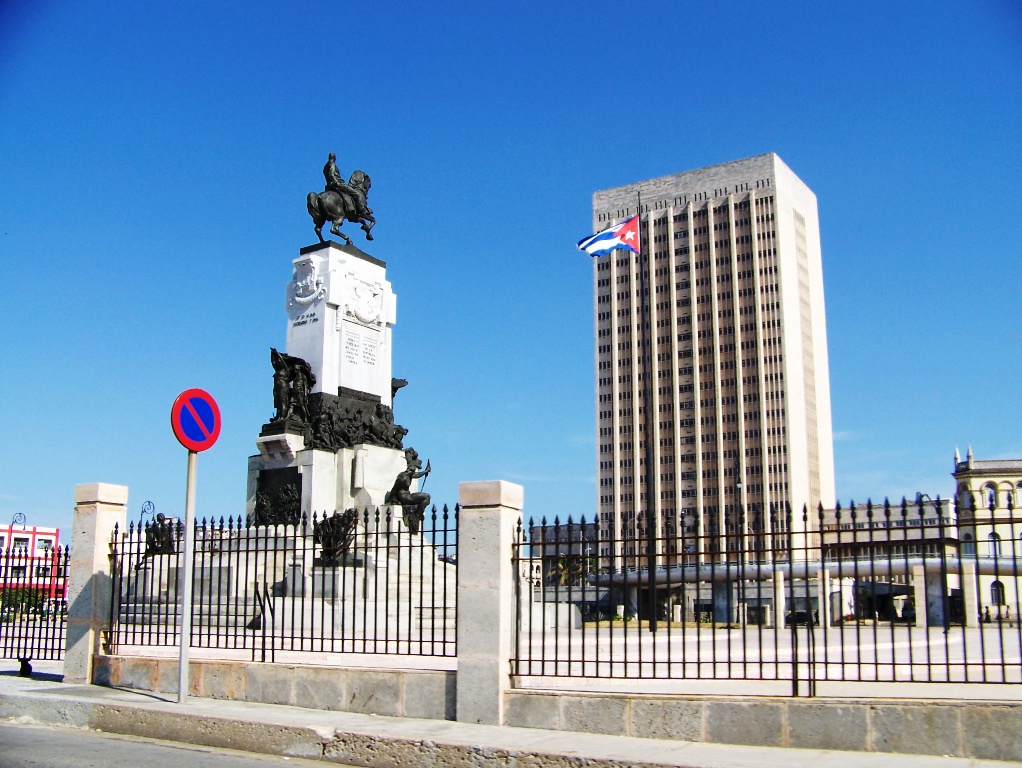
Cuban hunger strike frees political prisoners 2010 — Darito (Public domain). Source: cuban-hunger-strike-frees-political-prisoners-2010.jpg

Journalist and psychologist Guillermo Fariñas began his hunger strike to protest Zapata’s death and demand the release of 26 other seriously ill prisoners, arguing that they did not have adequate medical care in prison. [source: nv-database] As his health deteriorated, anti-communist exile groups such as the Institute for Democracy in Eastern Europe organized support around the world, including protests at Cuban embassies. The Human Rights Center “Viasna” in Belarus sent a letter of support; supporters held public meetings in Timişoara, Bucharest, and Cluj. [source: nv-database] Other Cuban dissidents — Nelson Moline Espino, Diosdado González Marrero, Eduardo Díaz Fleita, and Lemay Díaz Pantaleón — joined the hunger strike in support.
The Cuban government denied the campaigners’ complaints, characterizing the opposition as paid US mercenaries and stating, “Cuba will not accept pressure or blackmail.” [source: nv-database] Starting in March 2010, counter-protestors began to interfere with the weekly marches of the Ladies in White, who had protested for seven years against the imprisonment of their relatives following the 2003 crackdown. [source: nv-database]
On April 4, Raúl Castro said he would not give in to what he called Fariñas’s “blackmail.” However, by May 2 the government allowed the Ladies in White to resume their weekly Sunday marches. In late May, the Cuban government, in negotiation with the Roman Catholic Church, agreed to transfer political prisoners to facilities closer to their families and to give better access to medical care. On June 1, prisoners began being moved. [source: nv-database]
The Havana Cardinal Jaime Ortega was the key actor in the negotiations; Elizardo Sánchez of the Cuban Commission of Human Rights and National Reconciliation documented continuing “acts of repression” against the Eastern Democratic Alliance, the Central Opposition Coalition, and the dissident groups Agenda para la Transición and Unidad Liberal de la República de Cuba, some of whose members were briefly detained during the first week of June. [source: nv-database]
On July 7, 2010, the negotiation between the Catholic Church and the government resulted in an agreement to release 52 prisoners, including those Fariñas had prioritized. Fariñas ended his hunger strike on July 8, 2010. [source: nv-database]
Key people & organizations
- Orlando Zapata Tamayo — the dissident whose February 2010 death in custody triggered the renewed hunger-strike campaign
- Guillermo Fariñas — the journalist-psychologist who conducted the 134-day hunger strike
- Cardinal Jaime Ortega of Havana — broker of the Church-government negotiations
- The Ladies in White — the weekly-marching relatives of the 2003 prisoners
- The Institute for Democracy in Eastern Europe — coordinated exile support
- The Human Rights Center “Viasna” (Belarus) — public letter of support
- The Roman Catholic Church — formal negotiator
- The Cuban Commission of Human Rights and National Reconciliation — domestic monitor
- Raúl Castro — the head of government who initially refused and ultimately conceded
- Nelson Moline Espino, Diosdado González Marrero, Eduardo Díaz Fleita, Lemay Díaz Pantaleón — co-strikers who joined the hunger strike
Outcome
Verdict: won.
Fariñas’s hunger strike and parallel pressure forced the Cuban government to negotiate the release of 52 political prisoners, including the 26 seriously ill prisoners named as the campaign’s priority. [source: nv-database] The Church-brokered agreement also led to the transfer of additional prisoners to facilities closer to their families and to resumed Ladies in White marches.
Lessons
- A martyrdom in custody (Zapata’s death) can transform a long-running demand (prisoner treatment) into an immediate, named-person hunger strike with global visibility.
- Sustained parallel protest at embassies — even in allied countries like Belarus — multiplies the cost of refusing to negotiate.
- A credible institutional mediator (Cardinal Ortega) can carry a negotiation that an isolated dissident cannot, by giving the regime a face-saving exit.
- Government concessions are partial: 52 were released, but continuing arrests of opposition groups in June 2010 showed the political space did not widen significantly.
Sources
- Global Nonviolent Action Database — Cuban hunger strike frees political prisoners, 2010 —
nv-database
Disclaimer: Included as a teaching example of campaign craft, not as endorsement.
Sources & verification
nv-database— grounding: primary — license: link-only / all-rights-reserved (ND-style; content paraphrased, not quoted)- Verified: 2026-07-04 by human
Learn more
- On Wikipedia: Cuban political prisoners hunger strike of 2010 — CC BY-SA 4.0