
Where it took place
| Type | Place |
|---|---|
| Region | Europe |
| Country | Estonia |
Campaign at a glance
From 1987 to 1991, Estonians used nonviolent resistance, including mass singing, flag displays, and a human chain, to demand an end to Soviet occupation and achieve full independence [source: nv-database]. The campaign culminated in Estonia declaring independence in 1991, which was realized as the Soviet Union collapsed [source: nv-database]. The movement succeeded in its goal of restoring Estonian sovereignty.
Tactics used
- unknown
Background
Estonia was occupied by the Soviet Union in the 1940s, subjected to KGB surveillance, deportations, and suppression of nationalist expression [source: nv-database]. In 1985, Soviet leader Gorbachev introduced glasnost and perestroika, which Estonians tested by organizing protests against strip-mining in 1987, successfully stopping it [source: nv-database]. This victory emboldened activists to openly challenge the legality of the Molotov-Ribbentrop Pact and demand independence.
What happened
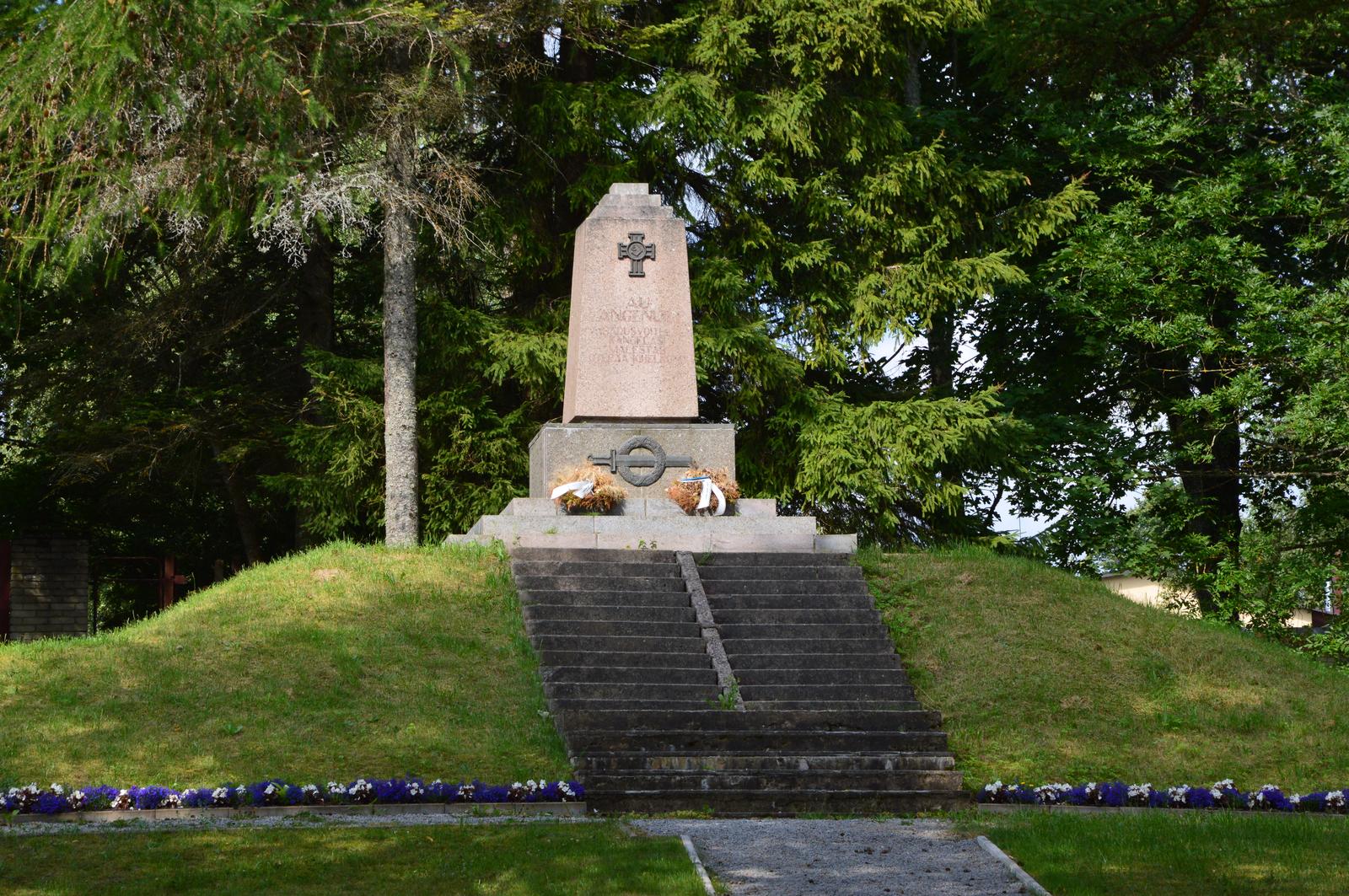
Lead photo. — Wikimedia Commons contributor (CC BY-SA 3.0 ee). Source: estonians-campaign-for-independence-the-singing-revolution.jpg

On August 23, 1987, activists organized a demonstration at Hirve Park to protest the Molotov-Ribbentrop Pact, drawing several thousand attendees despite limited publicity; police shut off the PA system but demonstrators used paper megaphones and were not arrested [source: nv-database]. The Heritage Society formed in 1987, growing to about 10,000 people, and used torch-lighting as a symbol of patriotism [source: nv-database]. In April 1988, the moderate Popular Front was launched, advocating sovereignty within a loose confederation with the USSR [source: nv-database]. In summer 1988, at song concerts, protesters flew blue, black, and white banners side by side to simulate the Estonian flag, and a June festival in Tallinn turned into a spontaneous singing jamboree with nearly 100,000 participants [source: nv-database]. In August 1988, the more radical Estonian National Independence Party (ENIP) was founded, demanding complete independence [source: nv-database]. In September 1988, the Popular Front staged a rally at the song festival grounds with over 300,000 people, where the Heritage Society head demanded full independence [source: nv-database]. In 1989, Estonian lawmakers passed laws replacing the Soviet flag with the Estonian flag, making Estonian the national language, and declaring Estonian laws supreme over Soviet laws; Gorbachev threatened arrest [source: nv-database]. On the 50th anniversary of the Molotov-Ribbentrop Pact, over a million Estonians, Latvians, and Lithuanians formed a 600 km human chain from Estonia to Lithuania [source: nv-database]. Four months later, Gorbachev admitted secret clauses in the Pact, but Estonia remained occupied, so activists registered citizens for a parallel government; 860,000 registered, and by February 1990 they elected the Congress of Estonia [source: nv-database]. In May 1990, after the Estonian Supreme Council banned the Soviet hammer and sickle, Interfront protesters marched on Toompea; Estonian citizens surrounded them but opened a path for them to leave, shouting “Out! [source: nv-database] Out! [source: nv-database] OUT!” [source: nv-database]. In 1991, after Soviet crackdowns in Lithuania and Latvia, Estonians barricaded the capital; during a coup in Moscow, Soviet tanks entered Estonia [source: nv-database]. Two Estonian policemen threatened to fill the broadcasting tower with Freon gas to prevent Soviet takeover, and Estonians formed human shields around the TV and radio station [source: nv-database]. After 12 hours of standoff, Boris Yeltsin declared Russia seceding from the USSR, and Soviet troops withdrew; Estonia attained independence [source: nv-database].
Key people & organizations
- Heritage Society
- Popular Front
- Estonian National Independence Party (ENIP)
- Citizens’ Committees Movement
- Congress of Estonia
- Estonian Supreme Council
- Trivimi Velliste
- Marju Lauristin
- Tunne Kelam
- Interfront
- Mikhail Gorbachev
- Boris Yeltsin
Outcome
Verdict: won.
Estonia achieved full independence in 1991, scoring 10 out of 10 points on success metrics, as the Soviet Union collapsed and the campaign’s demands were fully met [source: nv-database].
Lessons
- Cultural symbols and mass gatherings can unify a population and sustain nonviolent resistance over years.
- Creating parallel institutions (like the Congress of Estonia) can delegitimize an occupying regime and build a foundation for independence.
- Nonviolent discipline, even when facing provocation, can prevent violent crackdowns and maintain moral authority.
Sources
- Global Nonviolent Action Database —
nv-database
Disclaimer: Included as a teaching example of campaign craft, not as endorsement.
Sources & verification
nv-database— grounding: primary — license: link-only- Rewritten: 2026-06-25 via
worker_casestudies_v2.py
Learn more
- On Wikipedia: Singing Revolution — CC BY-SA 4.0