
Where it took place
| Type | Place |
|---|---|
| Region | Oceania |
| Country | Fiji |
Campaign at a glance
Following Lt Col Sitiveni Rabuka’s two coups on 14 May and 25 September 1987, Fijian church leaders, trade unionists, students and the deposed Bavadra government organised a sustained campaign against the military regime [source: wikipedia] . The campaign combined prayer vigils, marches on Government House and Parliament, a FTUC general-strike call, and a public FTUC campaign that brought the Australian Council of Trade Unions to impose a labour embargo on shipments to Fiji — at the time Fiji’s largest foreign trading partner [source: wikipedia] . On 3 July 1987 the Fiji Supreme Court ruled the May coup “totally unconstitutional” [source: wikipedia] . The campaign lost its primary goal when Rabuka held power, but international condemnation followed: the UN Secretary-General demanded restoration of the elected government; Fiji was expelled from the Commonwealth on 7 October 1987; and Australia, New Zealand, the United States and the United Kingdom imposed joint non-recognition and suspended foreign aid, deepening the 7.8% economic contraction of 1987-1988 [source: wikipedia] .
Tactics used
- nonviolent direct action
- civil-resistance
- boycotts and strikes
- petitions and e campaigning
Background
The May 1987 coup followed an April 1987 election in which Timoci Bavadra’s Labour-led coalition defeated the Alliance Party of incumbent PM Ratu Sir Kamisese Mara. Lt Col Rabuka, citing indigenous Fijian interests, dismissed the elected government with a small squad of masked soldiers who entered the House of Representatives and ordered members to leave without resistance [source: wikipedia] . The Governor-General Ratu Sir Penaia Ganilau accepted the fait accompli; he subsequently commissioned a Constitution Review Committee (the Falvey Commission) that produced a recommendation for a heavily ethnically weighted franchise [source: wikipedia] . Rabuka staged a second coup on 25 September to pre-empt the Deuba Accord, a power-sharing deal brokered by Ganilau, and on 7 October issued the Declaration of a Republic ending Fiji’s link to the British Crown [source: wikipedia] .
What happened
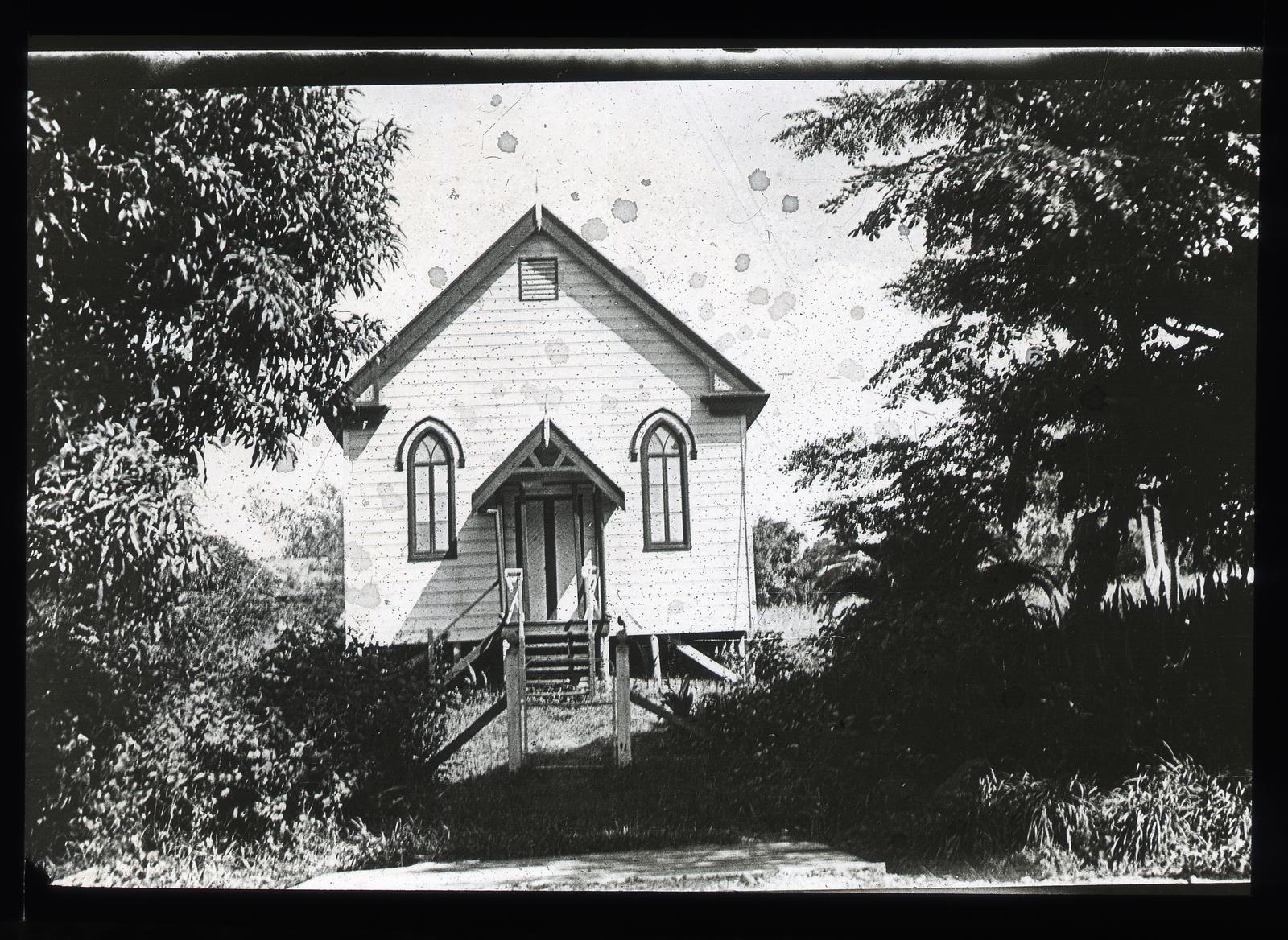
Lead photo. — Special Collections from Callaghan NSW, Australia (Public domain). Source: fiji-methodists-non-cooperation-coup-1987.jpg

Within days of the May coup church leaders and unionists joined the deposed government in condemning the military takeover. The Fiji Trades Union Congress (FTUC) coordinated general-strike threats and work-to-rule actions; the Australian Council of Trade Unions called the coup “an affront to the worldwide labour movement” and imposed a labour embargo on shipments to Fiji [source: wikipedia] . On 3 July 1987 the Supreme Court of Fiji ruled the May coup “totally unconstitutional” [source: wikipedia] . Students from the University of the South Pacific and the Fiji School of Medicine held public rallies and a candlelight vigil outside Government House in Suva [source: wikipedia] . Methodist, Catholic and Anglican clergy — including the bishop of the Methodist Church of Fiji and Rotuma — issued pastoral letters calling for restoration of the elected government [source: wikipedia] . Governor-General Ganilau attempted to broker the Deuba Talks, producing a power-sharing accord on 23 September 1987 [source: wikipedia] . Rabuka’s second coup pre-empted the agreement; on 7 October he proclaimed a republic and declared himself Head of the Interim Military Government [source: wikipedia] . Following the second coup, the United Nations denounced the coup; Fiji was expelled from the Commonwealth on 7 October 1987; and Australia, New Zealand, the United States and the United Kingdom imposed joint non-recognition and suspended foreign aid, deepening the 7.8% economic contraction in 1987-1988 [source: wikipedia] . In December 2024 the Rabuka government established a Fiji Truth and Reconciliation Commission to inquire into the 1987, 2000 and 2006 coups [source: wikipedia] .
Key people & organizations
- Sitiveni Rabuka — Lt Col, then Col, Royal Fiji Military Forces; led the two coups [source: wikipedia]
- Timoci Bavadra — deposed Prime Minister; led the court challenge [source: wikipedia]
- Ratu Sir Penaia Ganilau — Governor-General; brokered the Deuba Talks [source: wikipedia]
- Ratu Sir Kamisese Mara — Alliance Party leader; later President [source: wikipedia]
- Methodist Church of Fiji and Rotuma — country’s largest denomination [source: wikipedia]
- Catholic Bishops’ Conference of Fiji [source: wikipedia]
- Fiji Trades Union Congress (FTUC) [source: wikipedia]
- University of the South Pacific Students’ Association [source: wikipedia]
- Australian Council of Trade Unions [source: wikipedia]
- Commonwealth Secretariat [source: wikipedia]
Outcome
Verdict: partial.
The campaign failed to prevent either the May or the September coup, and Fiji was declared a republic on 7 October 1987 with Rabuka as Head of the Interim Military Government [source: wikipedia] . However, the campaign’s legal action produced the Supreme Court ruling that the May coup was unconstitutional; its religious mobilisation helped build international opposition; and Fiji’s expulsion from the Commonwealth and the loss of aid contributed materially to the unpopularity of the regime [source: wikipedia] . The constitutional crisis triggered a 1990 constitution reserving most political power for indigenous Fijians, with continued emigration leaving Indo-Fijians a minority by 1994 [source: wikipedia] .
Lessons
- Church institutions with nationwide reach can mobilise rapid nonviolent solidarity even under military rule, because their assets (houses of worship, pastors, weekly meetings) sit outside military control.
- Coordinated international labour pressure — particularly from neighbouring labour movements — can raise the material cost of an unconstitutional regime and isolate it economically.
- A regime that ignores courts and refuses to negotiate can still be delegitimised; sustained non-cooperation compresses its political space without requiring the public to take lethal risk.
- Purely symbolic actions lose force unless paired with legal challenges, economic leverage, and visible institution-led public dissent.
Sources
Disclaimer: Included as a teaching example of campaign craft, not as endorsement.
Sources & verification
wikipedia— grounding: secondary — license: link-only (CC-BY-SA)- Built: 2026-07-04 by
T10-balance-oceania - RAW:
RAW/fiji-methodists-non-cooperation-coup-1987.md