
Where it took place
| Type | Place |
|---|---|
| Region | Asia |
| Country | China |
Campaign at a glance
In fall 2009, hundreds of largely middle-class and student residents of Guangzhou gathered at Guangzhou City Hall on 23 November 2009 to protest a planned trash incinerator in the Panyu neighbourhood. [source: nv-database] Protesters delivered about 200 petitions, began a sit-in, and by midday local bloggers estimated crowds of 800; pre-printed signs included a popular image of a gas-masked protester with the slogan “Oppose garbage burning, protect the environment instead.” [source: nv-database] Officials declared that further environmental-impact research was needed and promised a public forum; the construction of the incinerator was halted pending the decision. [source: nv-database] By April 2011, the city released five possible sites for the incinerator within Panyu but no agreed-upon new site had been announced by the source’s publication. [source: nv-database]
Tactics used
Background
The city of Guangzhou released plans for a trash incinerator in the Panyu neighbourhood in 2006 to replace two overflowing landfills serving the 2.5 million residents around Panyu. [source: nv-database] When plans were further publicised in fall 2009, local residents insisted it was the first time they were hearing of the project, and local polls indicated that over 95 percent of residents opposed construction of the plant. [source: nv-database] Dissent spread quickly through microblogs, texting, and photo posts. [source: nv-database] The protest followed similar organisation and communication patterns as the successful 2007 Xiamen chemical-plant protest. [source: nv-database]
What happened
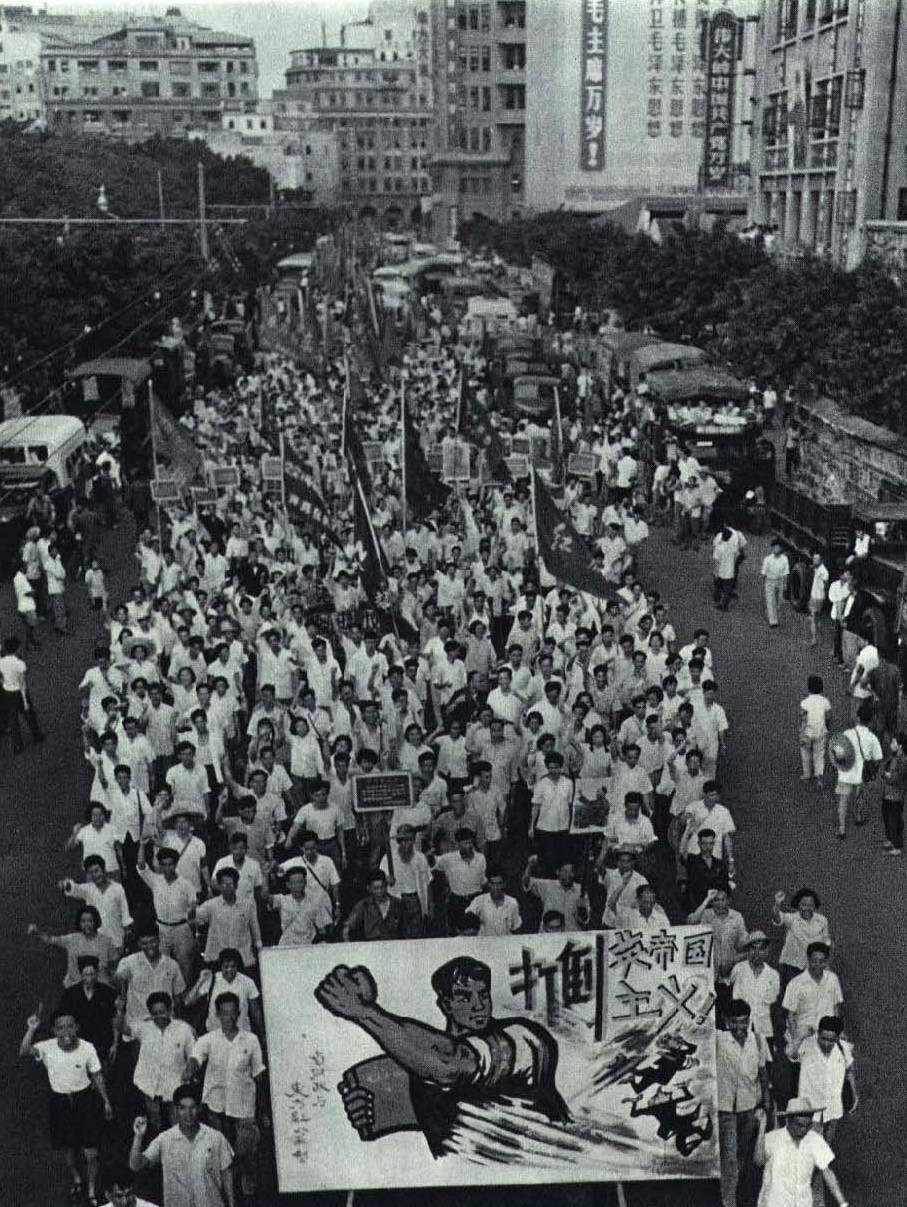
Lead photo. — 《人民画报》 (Public domain). Source: guangzhou-residents-protest-incinerator-2009.jpg

On Monday morning 23 November 2009, hundreds of local residents, largely middle-class and young students, gathered at Guangzhou City Hall; about 200 petitions were delivered, and a number of residents began a sit-in. [source: nv-database] By midday, local bloggers estimated the crowds at 800 people. [source: nv-database] Protesters had pre-printed signs and slogans, including a popular image of a gas-masked protester with the slogan “Oppose garbage burning, protect the environment instead” that was spread by bloggers. [source: nv-database] Other slogans called on officials to “Protect Panyu,” and some protesters called on local government leader Lu Zhiyi to step down. [source: nv-database] Local government officials ordered about 100 police officers to the scene, and some reports indicate the officers forcibly dispersed the crowds with riot shields once chants called for Lu Zhiyi to step down. [source: nv-database] During the day, government officials declared that further research was needed to determine the environmental impact of a trash incinerator at the proposed site, and promised a public forum for residents to voice their concerns. [source: nv-database] By the end of the day the protesters had largely dispersed. [source: nv-database] In April 2011, the Guangzhou municipal government released the names of five possible sites for the incinerator within Panyu, with Deputy District Executive Dai Youhua promising “the best technology and facilities,” the prioritisation of local-resident interests, and strict management and supervision. [source: nv-database] A final decision on location was scheduled for 2012, but as of the source’s publication, no agreed-upon new site had been announced. [source: nv-database] The 2009 protest is considered an inspiration for subsequent “not-in-my-backyard” grassroots environmental protests in 2010 and 2011. [source: nv-database]
Key people & organizations
- Lu Zhiyi (Panyu local government leader, target of “step down” chants, opponent)
- Dai Youhua (Panyu Deputy District Executive, promised best technology in 2011 press conference)
- Guangzhou City Hall and municipal government (opponent, then convener of public forum)
- Local micro-bloggers and residents (organisers via microblogs, texting, and photo posts)
- About 200 petitioners (residents who delivered signatures)
Outcome
Verdict: partial.
Construction of the Panyu incinerator was halted pending a public-impact review and a new site decision, and the government promised a public forum. [source: nv-database] However, the city never cancelled the project and continued to propose alternative sites within the same neighbourhood. [source: nv-database] Per the source’s scoring rubric, the campaign scored 1 out of 6 points on achieving specific demands/goals, 1 out of 1 on survival, and 3 out of 3 on growth (5 out of 10 total). [source: nv-database] The 2009 protest was one of the most visible environmental protests in China following the 2007 Xiamen success and is cited as inspiration for 2010-2011 NIMBY environmental campaigns. [source: nv-database]
Lessons
- A pre-existing model (the 2007 Xiamen protest) is rapidly imitated when its tactics are visible and effective; the “stroll” + petitions + sit-in formula is now a recognisable Chinese environmental-protest template.
- Officials can defuse an immediate protest by promising a “public forum” and “further research” without committing to a specific outcome, buying time to propose alternative sites within the same neighbourhood.
- A popular single image (the gas-masked protester with the “Oppose garbage burning” slogan) can become the campaign’s identity across social media, simplifying the public’s mental model of an otherwise technical issue.
Sources
- Global Nonviolent Action Database —
nv-database
Disclaimer: Included as a teaching example of campaign craft, not as endorsement.
Sources & verification
nv-database— grounding: primary — license: link-only- Rewritten: 2026-07-04 via
t6_build.py