
Where it took place
| Type | Place |
|---|---|
| Region | Africa |
| Country | Guinea |
Campaign at a glance
In 2007, Guinean trade unions and opposition parties organized a general strike demanding the resignation of President Lansana Conté, economic reforms, and the appointment of a new prime minister [source: nv-database]. The strike, which took place primarily in Conakry from January 10 to February 26, resulted in the appointment of a consensus prime minister, Lansaga Kouyaté, but Conté remained in power [source: nv-database]. The campaign achieved partial success, with two out of six demands met [source: nv-database].
Tactics used
- [boycotts-and-strikes
- nonviolent direct action
- civil-resistance
- coalition building
Background
Guinea had been ruled by President Lansana Conté since a 1984 coup, and by 2006 Transparency International ranked it the most corrupt country in Africa [source: nv-database]. Labor unions had launched two unsuccessful general strikes in 2006 protesting economic misery and government mismanagement [source: nv-database]. The 2007 strike was triggered by Conté’s release of two prominent business executives on corruption charges, and demands included Conté’s resignation, economic reforms, and a new prime minister [source: nv-database].
What happened
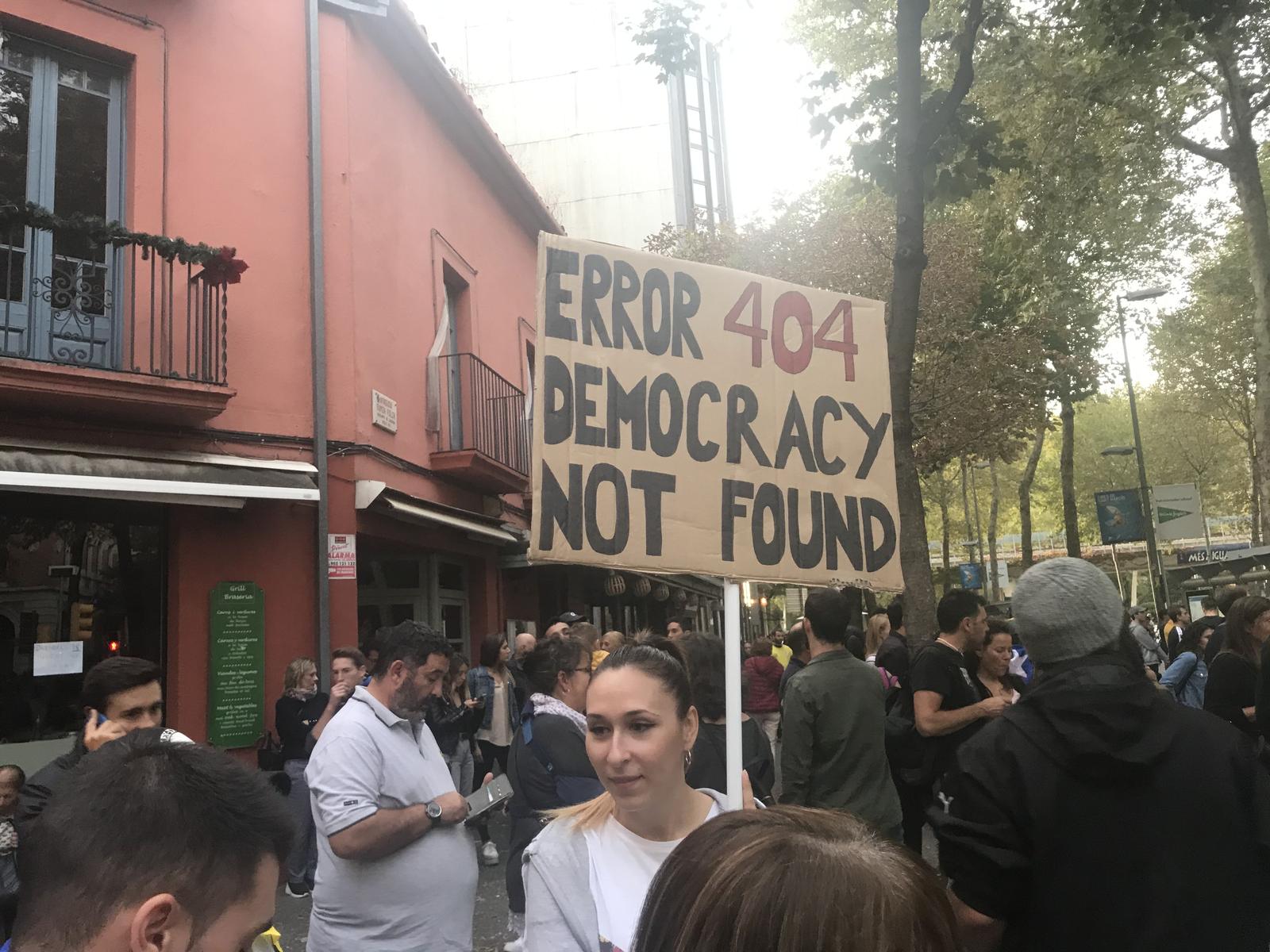
Lead photo. — Wikimedia Commons contributor (CC BY-SA 4.0). Source: guinean-citizens-general-strike-for-democracy-2007.jpg

The general strike began on January 10, 2007, called by the United Trade Union of Guinean Workers (USTG), with support from opposition parties and civil society groups. [source: nv-database] Workers stayed home, shut down businesses, and bauxite miners halted production, severely damaging the economy. [source: nv-database] The government responded with arrests, tear gas, and live ammunition, killing at least 59 protesters by January 25. [source: nv-database] On January 27, after Conté agreed to nominate a new prime minister with delegated powers and implement price controls, union leader Ibrahima Fofana ended the 18-day strike. [source: nv-database] However, on February 9, Conté appointed Eugene Camara, a close associate, as prime minister, which unions and opposition rejected. [source: nv-database] The strike resumed on February 12, and Conté declared a state of siege, imposing martial law, closing media, and enforcing a curfew. [source: nv-database] On February 23, the National Assembly, including members of Conté’s own party, rejected the extension of the state of siege. [source: nv-database] An ECOWAS delegation mediated, and on February 26, Conté named Lansaga Kouyaté as prime minister from a union-approved list, ending the strike. [source: nv-database]
Key people & organizations
- United Trade Union of Guinean Workers (USTG)
- Ibrahima Fofana
- National Confederation of Guinean Workers
- Sérah Diallo
- National Organization of Free Unions of Guinea
- Yamadou Touré
- Rally for the Guinean People
- Union of Republican Forces
- National Council of Civil Society Organizations
- Civic Alliance
- President Lansana Conté
- Eugene Camara
- Lansaga Kouyaté
- Economic Community of West African States (ECOWAS)
- Ibrahima Babangida
- Ibn Chambas
Outcome
Verdict: partial.
The strike achieved the appointment of a consensus prime minister and some economic reforms, but President Conté remained in power and later removed Kouyaté in March 2008. The campaign is considered a partial success because two of six demands were met, the organizations survived, and the movement grew nationwide. [source: nv-database]
Lessons
- A general strike can effectively disrupt the economy and force negotiations, but sustained pressure may be needed to achieve all demands.
- Coalition-building with opposition parties and civil society groups strengthens a campaign’s legitimacy and reach.
- Government repression, including arrests and violence, can escalate but may also galvanize broader support and international mediation.
Sources
- Global Nonviolent Action Database —
nv-database
Disclaimer: Included as a teaching example of campaign craft, not as endorsement.
Sources & verification
nv-database— grounding: primary — license: link-only- Rewritten: 2026-06-25 via
worker_casestudies_v2.py