
Where it took place
| Type | Place |
|---|---|
| Region | Latin America |
| Country | Haiti |
Campaign at a glance
From May 1984 to February 7, 1986, sustained street protests, school boycotts, leaflet campaigns, and a nationwide general strike forced Haitian President-for-Life Jean-Claude Duvalier to flee the country by US-supplied plane, ending the 29-year rule of the Duvalier dynasty. [source: nv-database] The movement succeeded despite the regime’s secret police, escalating repression, and a state of siege. The campaign scored 9 of 10 on the source’s rubric — full marks on the demand that Duvalier relinquish power, with partial marks on growth. [source: nv-database]
Tactics used
- general-strike
- marches
- declarations-by-organizations-and-institutions
- petitions
- nonviolent direct action
Background
In 1957, François “Papa Doc” Duvalier became “president-for-life” and ruled by terror through his secret police, the Ton-Ton Macoutes. [source: nv-database] When he died in 1971, his son Jean-Claude “Baby Doc” took over; no elections were held and the Volunteers for National Security (the renamed Macoutes) maintained the same violent repression. Haiti was the poorest country in the Western Hemisphere, dependent on US aid for roughly 70% of its national budget. [source: nv-database] In late May 1984, citizens in Gonaives began protesting after police publicly beat a pregnant woman who subsequently died, and many protesters cited food prices as well. [source: nv-database]
What happened
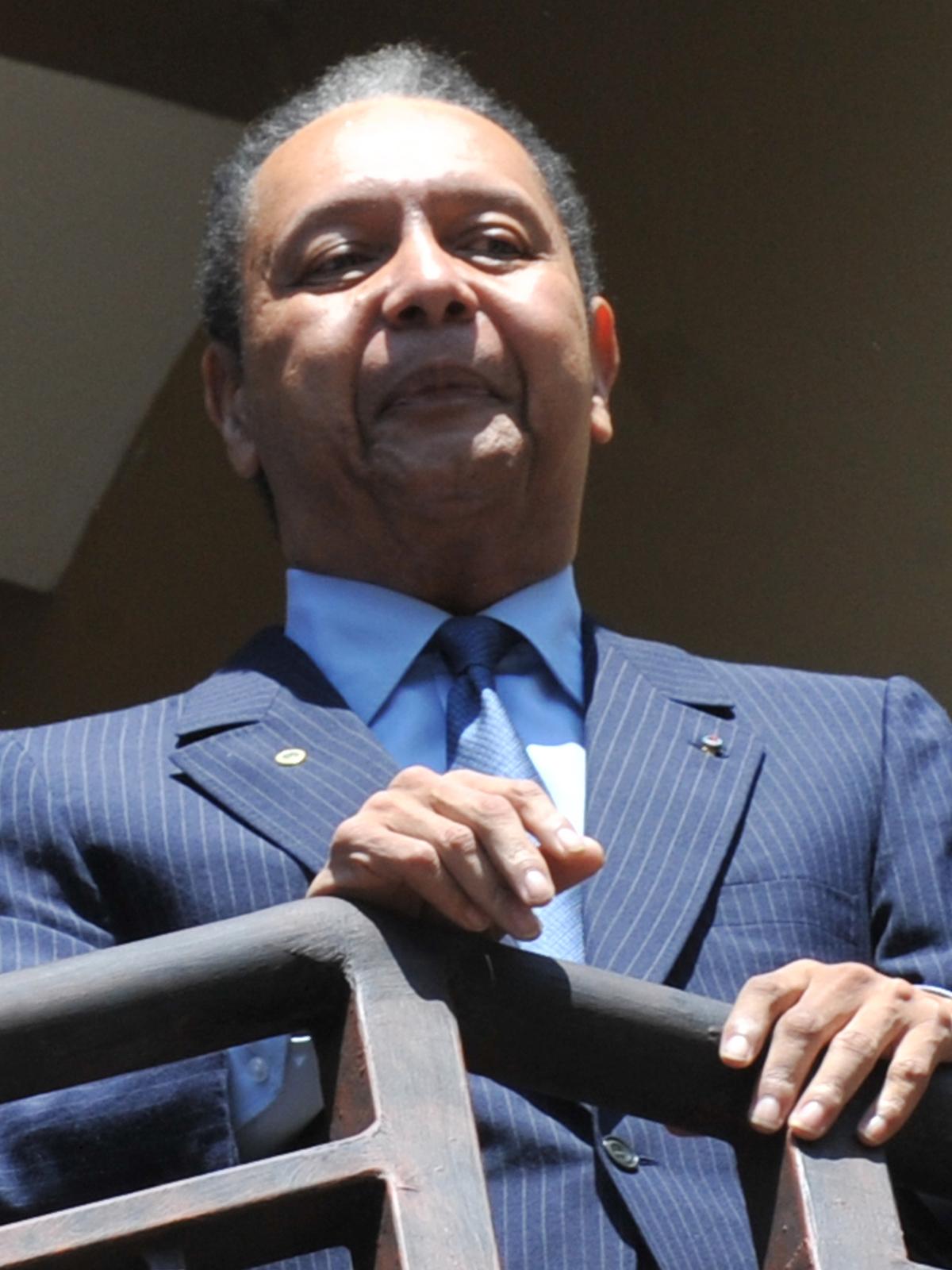
Lead photo. — Marcello Casal Jr/ABr (CC BY 3.0). Source: haitians-overthrow-regime-1984-1986.jpg

Protests spread from Gonaives to other cities. The Catholic Bishops’ conference and Protestant church leaders publicly criticized the regime. Roughly 2,000 people signed a petition denouncing the regime for “enslaving the masses.” Some cities launched general strikes; in July 1985 a rigged referendum further expanded Duvalier’s powers. [source: nv-database]
In November 1985, the opposition held protests in cities around the country. Soldiers opened fire on demonstrators, killing at least three students. Over the following weeks, students boycotted classes and church radio stations — the only independent news source — went off the air, some voluntarily and others under government pressure. [source: nv-database] By December 1985 the United States threatened to cut aid; four senior Haitian officials resigned.
On January 13, 1986, the opposition called for a general strike; both Catholic and Protestant leaders jointly denounced the Duvalier regime. Protesters distributed leaflets calling for “Operation Uproot,” a shutdown strike. Activists set up roadblocks separating Port-au-Prince from the rest of the country. [source: nv-database] Two thousand school administrators and teachers signed open letters demanding the reopening of schools; students marched. The Duvalier government declared a state of siege and suspended civil liberties. Stores stayed closed in defiance of Duvalier’s demand that business resume. Protesters burned a court building, threw rocks at a Duvalierist’s home, and looted government offices and warehouses. [source: nv-database]
On February 7, 1986, Duvalier fled Haiti for France in a US-supplied plane. Before leaving, he installed a six-member National Governing Council (CNG) under army commander Henri Namphy to run the country in his absence. [source: nv-database]
Key people & organizations
- Sylvio Claude — leader of one opposition party
- Grégoire Eugène — leader of the other opposition party
- Catholic Bishops Conference — issued public denunciations
- Protestant church leaders — issued parallel condemnations
- Students, schoolteachers, and school administrators across the country
- Unions and labor organizations that joined the general strikes
- US government — supplier of 70% of Haiti’s budget; pressured the regime
- President-for-Life Jean-Claude “Baby Doc” Duvalier — the deposed ruler
- General Henri Namphy — installed by Duvalier as head of the National Governing Council after the flight
Outcome
Verdict: won.
Duvalier fled the country on February 7, 1986, ending the Duvalier dynasty; the source scores the campaign 5 of 6 on achieving its core demand. [source: nv-database] However, the National Governing Council that Duvalier left in place inherited much of the previous regime’s character, and within months a follow-on campaign was launched against the CNG itself (Haitians demand civilian government and democratic elections, 1986-88). The source notes that survival was limited: most movement infrastructure did not persist past the campaign. [source: nv-database]
Lessons
- Regimes dependent on a single external patron (here, US aid) are vulnerable when that patron turns conditional leverage into a public threat.
- A petition signed by 2,000 people is itself a tactic: it gives middle-class professionals a low-risk entry point into a movement that may later escalate.
- The departure of a dictator is rarely the end of the story — without an organized successor plan, the same networks must relaunch against an interim regime that inherits many of the same problems.
Sources
Disclaimer: Included as a teaching example of campaign craft, not as endorsement.
Sources & verification
nv-database— grounding: primary — license: link-only / all-rights-reserved (ND-style; content paraphrased, not quoted)- Verified: 2026-07-04 by human