
Where it took place
| Type | Place |
|---|---|
| Region | North America |
| Country | United States |
Campaign at a glance
From 1960 to 1964, African American students in High Point and Thomasville, North Carolina, protested segregation at local theaters through picketing, stand-ins, and human chains [source: nv-database]. The campaign contributed to the broader civil rights movement and ended after the Civil Rights Act of 1964 legally forced desegregation of the theaters [source: nv-database].
Tactics used
- [boycotts-and-strikes
- nonviolent direct action
- civil-resistance
- coalition building
Background
In High Point, North Carolina, by 1963 nearly all government and public institutions were integrated, but privately-owned buildings like theaters remained segregated [source: nv-database]. The goal was complete integration of all facilities, and the campaign targeted the Paramount Theater in High Point and the Davidson Theater in Thomasville.
What happened
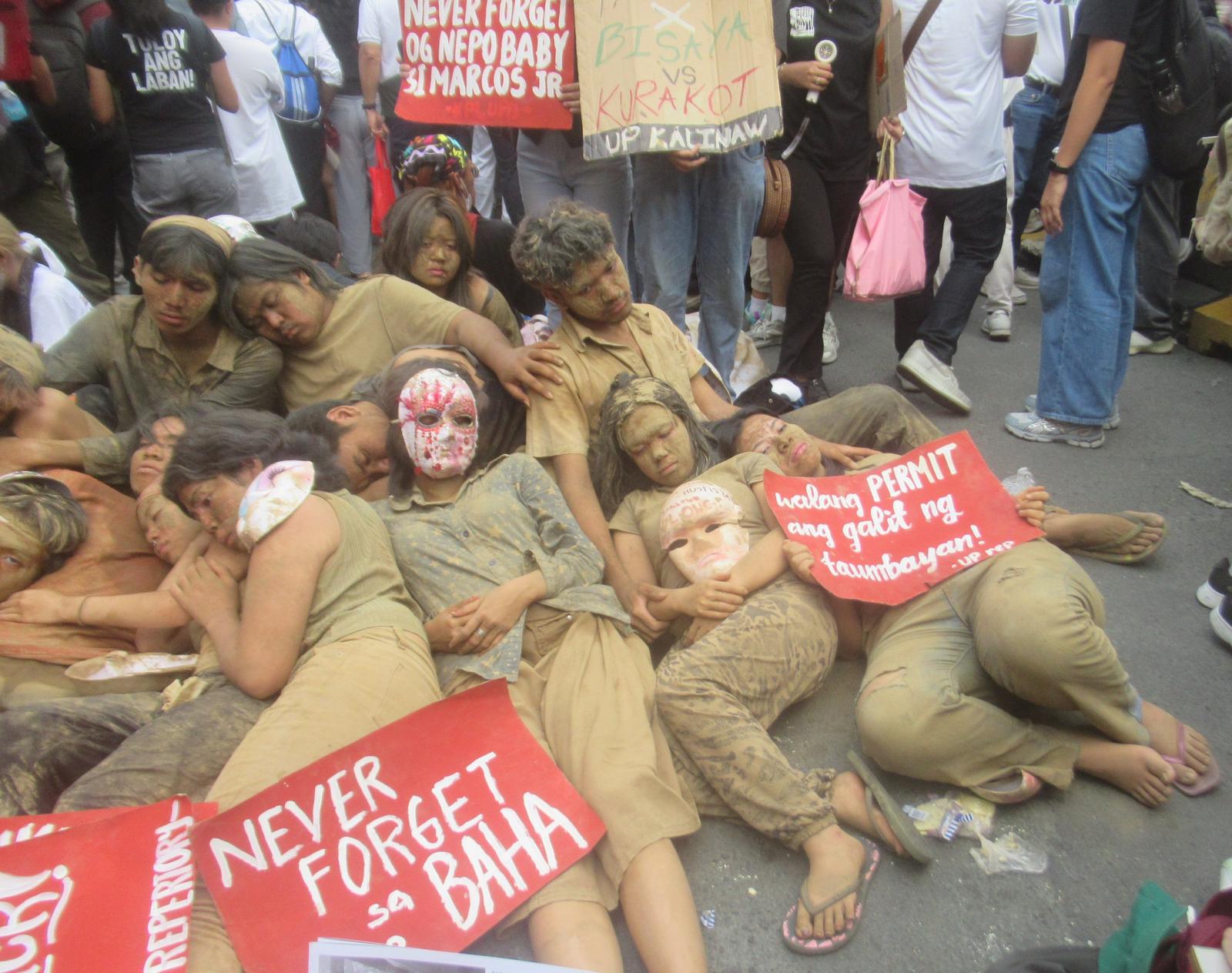
Lead photo. — Wikimedia Commons contributor (CC BY 4.0). Source: high-point-students-protest-for-theater-integration-1960-1964.jpg

On 18 February 1960, the High Point Biracial Committee was formed to ease racial tensions, and through negotiations many facilities desegregated [source: nv-database]. High school students who had organized lunch counter sit-ins began picketing the Paramount Theater, attempting to buy tickets in the white line and sit in whites-only areas [source: nv-database]. The campaign paused around Spring 1961 when older members left for college, but restarted on 31 November 1962 with Brenda Jean Fountain as the main organizer [source: nv-database]. In April 1963, protesters formed a human chain in front of the ticket booth and theater door, leading to arrests after shoving and verbal attacks from white onlookers [source: nv-database]. Fountain, Edna Tomlin, and CORE chairman D. [source: nv-database] Z. [source: nv-database] Mitchell filed a lawsuit against Key Theaters Inc. [source: nv-database] for discrimination on city property [source: nv-database]. In July 1963, demonstrations expanded to Thomasville, where picketing and marches at the Davidson Theater led to the arrest of 28 protesters after a human chain and singing [source: nv-database]. On 18 July 1963, a gunshot was fired into a church where protesters were meeting, but no one was hurt and demonstrations suspended for the weekend [source: nv-database]. CORE attorney Floyd McKissick worked to get charges against Thomasville demonstrators dismissed or reduced [source: nv-database]. The lawsuit against Key Theaters Inc. [source: nv-database] progressed slowly; a pre-trial on 29 November 1963 argued that the owner leasing a publicly-owned building could not discriminate, but the case was thrown out in 1964 after the Civil Rights Act of 1964 passed, legally forcing the theater to desegregate [source: nv-database].
Key people & organizations
- Brenda Jean Fountain
- NAACP
- CORE
- Henry McKissick
- Hugh Smart
- High Point Biracial Committee
- Edna Tomlin
- D. Z. Mitchell
- Rev. W. E. Banks
- Floyd McKissick
- James Lovelace
Outcome
Verdict: partial.
The campaign achieved partial success: it contributed to the national movement that led to the Civil Rights Act of 1964, which legally forced the theaters to desegregate, but most privately-owned areas integrated only after the Act, and complete integration was gradual. [source: nv-database]
Lessons
- Sustained nonviolent direct action like picketing and human chains can escalate pressure on segregated businesses.
- Legal action combined with protest can leverage public ownership to challenge discrimination.
- Coalition-building with national civil rights organizations like NAACP and CORE strengthens local campaigns.
Sources
- Global Nonviolent Action Database —
nv-database
Disclaimer: Included as a teaching example of campaign craft, not as endorsement.
Sources & verification
nv-database— grounding: primary — license: link-only- Rewritten: 2026-06-25 via
worker_casestudies_v2.py