
Where it took place
| Type | Place |
|---|---|
| Region | Europe |
| Country | Hungary |
Campaign at a glance
From 1859 to 1867, Hungarians conducted a sustained nonviolent campaign to end Austrian rule and establish an independent Hungary with its own parliament and constitution [source: nv-database]. Led by Ferencz Deák, the movement used noncooperation, boycotts, and parallel government structures. The campaign succeeded when Emperor Franz Josef agreed to become a constitutional monarch and restored the Hungarian Parliament in June 1867 [source: nv-database].
Tactics used
- unknown
Background
In the 1840s, tensions between Hungary and the Austrian Empire were high, and a violent insurgency in 1848 was crushed by Emperor Franz Josef with Russian help [source: nv-database]. After the rebellion, Austria increased repression, withdrawing the constitution and dissolving county assemblies, which fueled nationalist sentiment. The goal was to end Austrian rule and establish an independent Hungary with a Hungarian Parliament and Constitution.
What happened
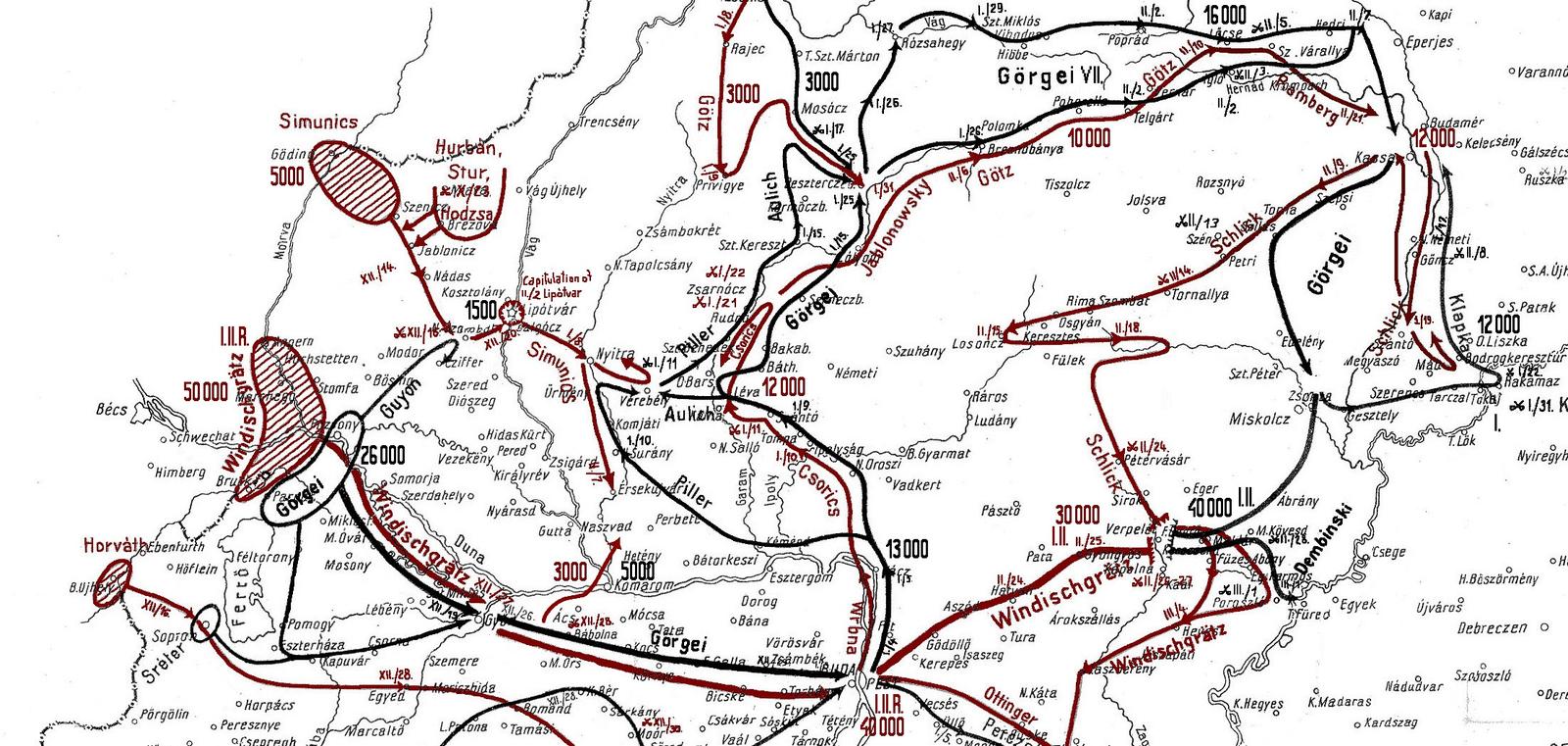
Lead photo. — Wikimedia Commons contributor (Public domain). Source: hungarians-campaign-for-independence-from-austrian-empire-1859.jpg

After the failed 1848 revolt, Ferencz Deák organized Hungarians through voluntary associations promoting nationalism [source: nv-database]. In 1859, Emperor Franz Josef needed Hungarian support against Napoleon III but found the Hungarian military uncooperative, leading him to restore county assemblies and appoint a popular Hungarian governor [source: nv-database]. The restored county assemblies refused to vote for army recruits or tax collection [source: nv-database]. In February 1861, Josef tried to create a bicameral legislature for the empire, but the Hungarian Parliament declared it would not recognize the Imperial Parliament’s right to legislate Hungarian affairs [source: nv-database]. Josef dissolved the Hungarian Parliament and then the leading county assembly, but the assembly continued meeting until Austrian soldiers physically carried out its members in August 1861 [source: nv-database]. A supporting crowd marched through the streets, and the chairman declared, ‘We have been dispersed by tyrannic force—but force shall never overawe us’ [source: nv-database]. Hungarians in the bureaucracy refused to transfer jobs, ordinary citizens refused to pay taxes and boycotted Austrian goods, and auctioneers refused to auction seized goods [source: nv-database]. Josef imposed martial law, declared the boycott illegal, and filled prisons with organizers, but resistance continued [source: nv-database]. In 1865, when the governor of Pesth encouraged flying the Austrian flag, Hungarians displayed the green, white, and red flag of independent Hungary [source: nv-database]. Conflict between Austria and Prussia pressured Josef to reestablish the Hungarian Parliament and promise autonomy, but Hungarians remained opposed to assisting Austria in the war [source: nv-database]. On June 8, 1867, Franz Josef was named King of Hungary after agreeing to rule as a constitutional monarch with restored Hungarian Parliament authority [source: nv-database].
Key people & organizations
- Ferencz Deák
- Emperor Franz Josef
- Hungarian Parliament
- Hungarian Nationalists
Outcome
Verdict: won.
The campaign achieved all its goals: independence for Hungary, a constitutional monarchy, and a Hungarian Parliament and Constitution. The movement succeeded because sustained noncooperation made Austrian rule unworkable, and external pressures from the Austro-Prussian war forced Josef to concede. [source: nv-database]
Lessons
- Noncooperation by government officials and elites can paralyze an administration and force concessions.
- Maintaining nonviolence and constitutional legality can build broad public support and undermine repression.
- External geopolitical pressures can create opportunities for nonviolent movements to achieve their goals.
Sources
- Global Nonviolent Action Database —
nv-database
Disclaimer: Included as a teaching example of campaign craft, not as endorsement.
Sources & verification
nv-database— grounding: primary — license: link-only- Rewritten: 2026-06-25 via
worker_casestudies_v2.py