
Where it took place
| Type | Place |
|---|---|
| Region | Latin America |
| Country | Peru |
Campaign at a glance
In April-May 1971, internally displaced Peruvians, many earthquake refugees, occupied unused government land outside Lima to demand settlement rights. [source: nv-database]
After a week of occupation, negotiations, and a fatal police shooting, the government offered alternative land, which most families accepted. [source: nv-database]
The settlement grew into Villa El Salvador, a recognized community with services, and was later nominated for a Nobel Peace Prize. [source: nv-database]
Tactics used
- [nonviolent-direct-action
- civil-resistance
- coalition building
- framing and narrative
Background
Many families in Lima were internally displaced, especially after an earthquake, and lacked land to settle. [source: nv-database]
They targeted unused government-owned land on the outskirts of Lima, aiming to acquire land for housing. [source: nv-database]
The Peruvian Housing Ministry was the primary opponent. [source: nv-database]
What happened
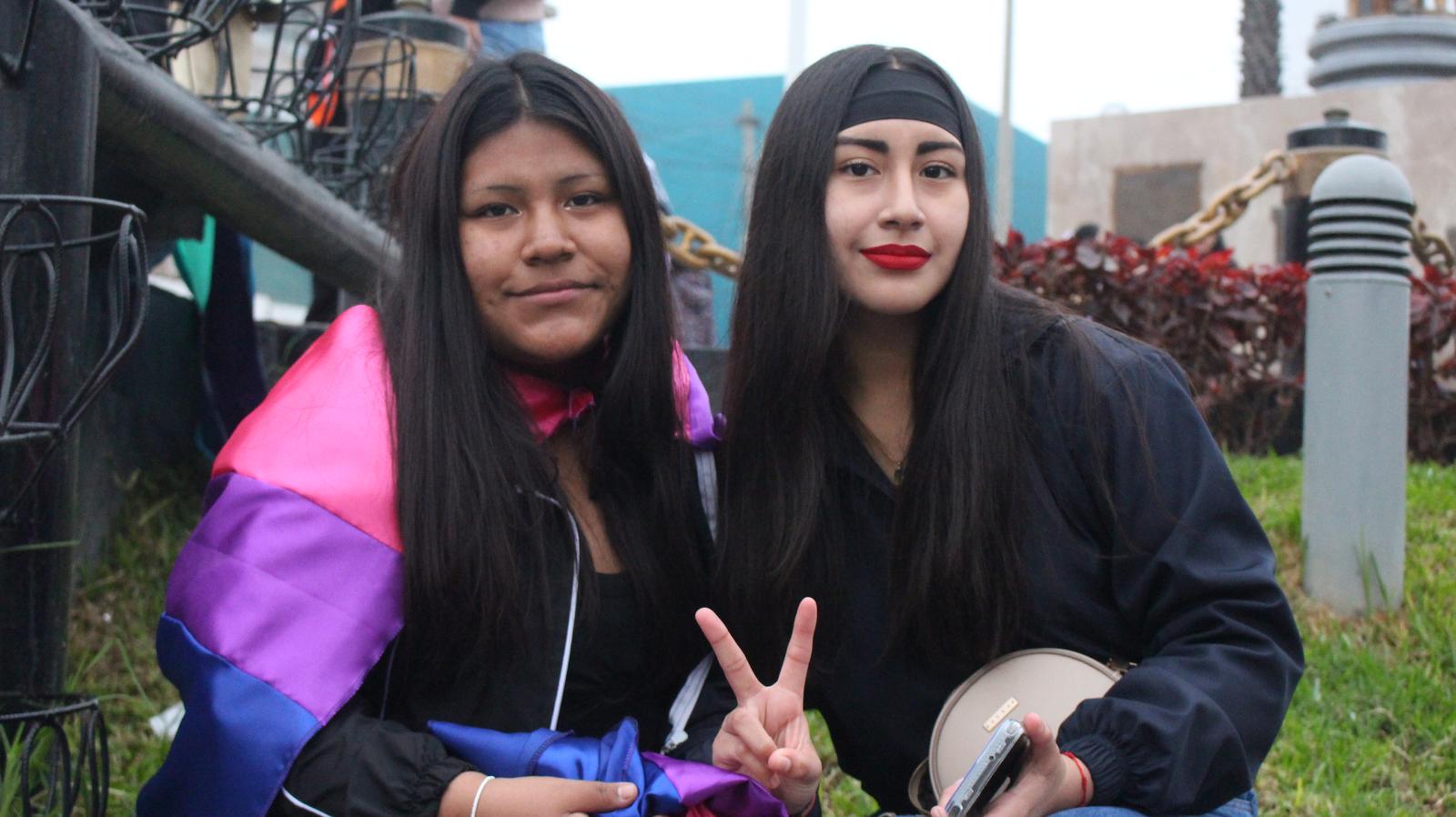
Internally displaced Peruvians campaign for land (Villa El Salvador Land Invasion), — Wikimedia Commons contributor (CC BY-SA 4.0). Source: internally-displaced-peruvians-campaign-for-land-villa-el-salvador.jpg

Between April 29 and May 1, 1971, about 180 families occupied a desert area with 48 unserviced lots, using mats, food, whistles, and Peruvian flags [source: nv-database]. Police arrived but left after leader Señor Perez cited Law 13517, which declared improvement of marginal barrios a national interest [source: nv-database]. Three days later, representatives met with the Ministry of Housing but no deal was reached [source: nv-database]. The squatters incorporated as an official association, and another housing association shifted to join them [source: nv-database]. By the fifth day, 9,000 families occupied the land; troops used tear gas and set mats on fire, and a major shot and killed one squatter [source: nv-database]. A funeral was held, bishops were arrested, and news reached the Inter-American Development Bank conference in Lima, pressuring the government [source: nv-database]. Seven days after the occupation began, the government offered alternative land with formal permission; most squatters moved after several weeks, with about 7,000 families relocating [source: nv-database]. Señor Perez was arrested for three months, and leaders kept a low profile [source: nv-database]. The community established rules, received services, and grew into Villa El Salvador, which today has libraries, health services, and 80% of houses with electricity and running water [source: nv-database].
Key people & organizations
- Señor Perez
- Peruvian Housing Ministry
- Inter-American Development Bank
- local bishops
Outcome
Verdict: won.
The campaign achieved its goal of acquiring land, with the government granting an alternative site and formal recognition. The community grew, received services, and gained international acclaim, including a Nobel Peace Prize nomination, indicating a clear win. [source: nv-database]
Lessons
- Strategic timing, such as during an international conference, can increase pressure on authorities to negotiate peacefully.
- Citing existing laws can legitimize a direct action and deter immediate repression.
- Maintaining organization after settlement helps secure services and long-term community development.
Sources
- Global Nonviolent Action Database —
nv-database
Disclaimer: Included as a teaching example of campaign craft, not as endorsement.
Sources & verification
nv-database— grounding: primary — license: link-only- Rewritten: 2026-06-25 via
worker_casestudies_v2.py