
Where it took place
| Type | Place |
|---|---|
| Region | Asia |
| Country | Iran |
Campaign at a glance
In 2006, Iranian women’s rights activists launched the One Million Signatures campaign to pressure Parliament to reform gender-discriminatory laws. [source: nv-database]
The campaign collected signatures through face-to-face dialogue, workshops, and online outreach, despite government repression. [source: nv-database]
While they did not reach their signature goal within two years, they successfully blocked a bill that would have promoted polygamy and won several international awards. [source: nv-database]
Tactics used
- petitions and e campaigning
- civil-resistance
- coalition building
- framing and narrative
Background
After Iran’s 1979 revolution, women lost many rights they had previously gained. [source: nv-database]
The One Million Signatures campaign aimed to reform laws that discriminated against women in marriage, divorce, inheritance, and other areas, and to educate the public about these issues. [source: nv-database]
The campaign sought to work within the existing system and was independent of political parties and NGOs. [source: nv-database]
What happened
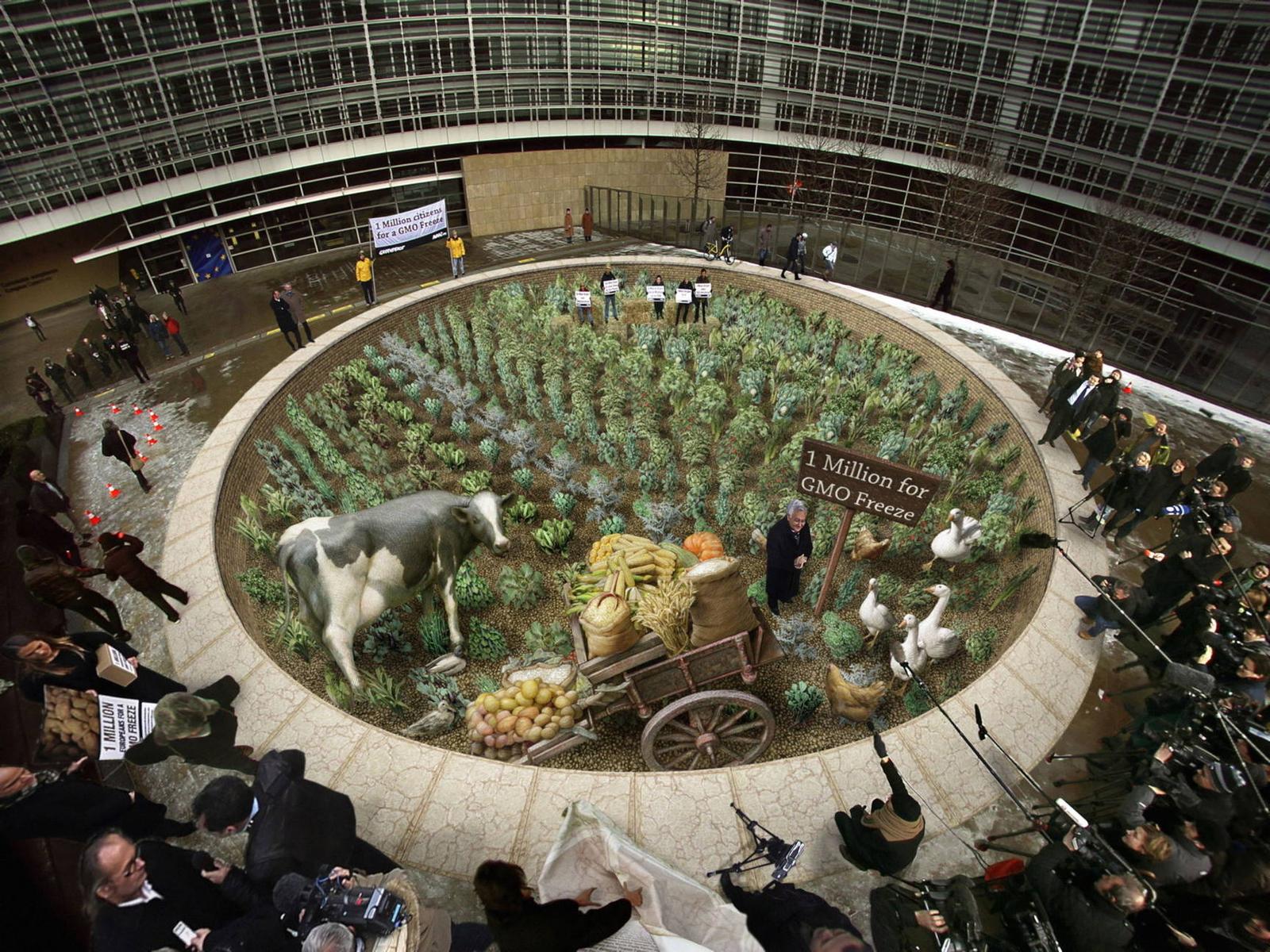
Kurt Wenner Greenpeace — Kurt Wenner (CC BY-SA 4.0). Source: iranian-activists-one-million-signatures-campaign-for-gender-justice.jpg

The campaign was officially launched on August 27, 2006, at a seminar titled ‘The Impact of Laws on Women’s Lives,’ but security forces prevented the seminar from taking place indoors, forcing it into the streets [source: nv-database]. Activists used face-to-face dialogue, door-to-door collection, group events, and the internet to gather signatures [source: nv-database]. The government systematically blocked the campaign website over ten times, warned media not to cover the campaign, and arrested 43 members, 15 for collecting signatures [source: nv-database]. Despite repression, the campaign grew to nearly 1,000 trained activists in 15 provinces [source: nv-database]. In 2008, activists protested a government bill that would tax prenuptial arrangements and promote polygamy; the bill was passed on September 9, 2008, without the polygamy and tax provisions [source: nv-database]. The campaign received the Olof Palme Prize 2008, the Simone de Beauvoir prize, and the Global Women’s Rights award [source: nv-database].
Key people & organizations
- Majles (parliament)
- Change for Equality website
Outcome
Verdict: partial.
The campaign achieved partial success: it did not collect one million signatures within two years, but it successfully blocked a bill promoting polygamy and raised public awareness. The campaign survived repression and continued to grow, winning international recognition. [source: nv-database]
Lessons
- Face-to-face dialogue can build public support and change cultural attitudes even under repression.
- A grassroots campaign independent of political parties can avoid stigma and maintain focus on its goals.
- Repression can strengthen solidarity and expand the campaign’s reach.
Sources
- Global Nonviolent Action Database —
nv-database
Disclaimer: Included as a teaching example of campaign craft, not as endorsement.
Sources & verification
nv-database— grounding: primary — license: link-only- Rewritten: 2026-06-25 via
worker_casestudies_v2.py