
Where it took place
| Type | Place |
|---|---|
| Region | Europe |
| Country | Ireland |
Campaign at a glance
In 1918, Irish nationalists, labor unions, and the Catholic Church united to oppose the British government’s attempt to extend conscription to Ireland. [source: nv-database]
Through mass oath-taking, a general strike, and coordinated political resistance, they prevented the enforcement of conscription. [source: nv-database]
The campaign built solidarity across Irish society and strengthened the independence movement. [source: nv-database]
Tactics used
- unknown
Background
During World War I, the British government faced a manpower shortage and in April 1918 passed a new Military Service Act extending conscription to Ireland, which had previously been exempt. [source: nv-database]
Irish nationalists, who sought home rule or independence, saw conscription as an oppressive imposition. [source: nv-database]
The goal of the campaign was to prevent the enforcement of conscription in Ireland. [source: nv-database]
What happened
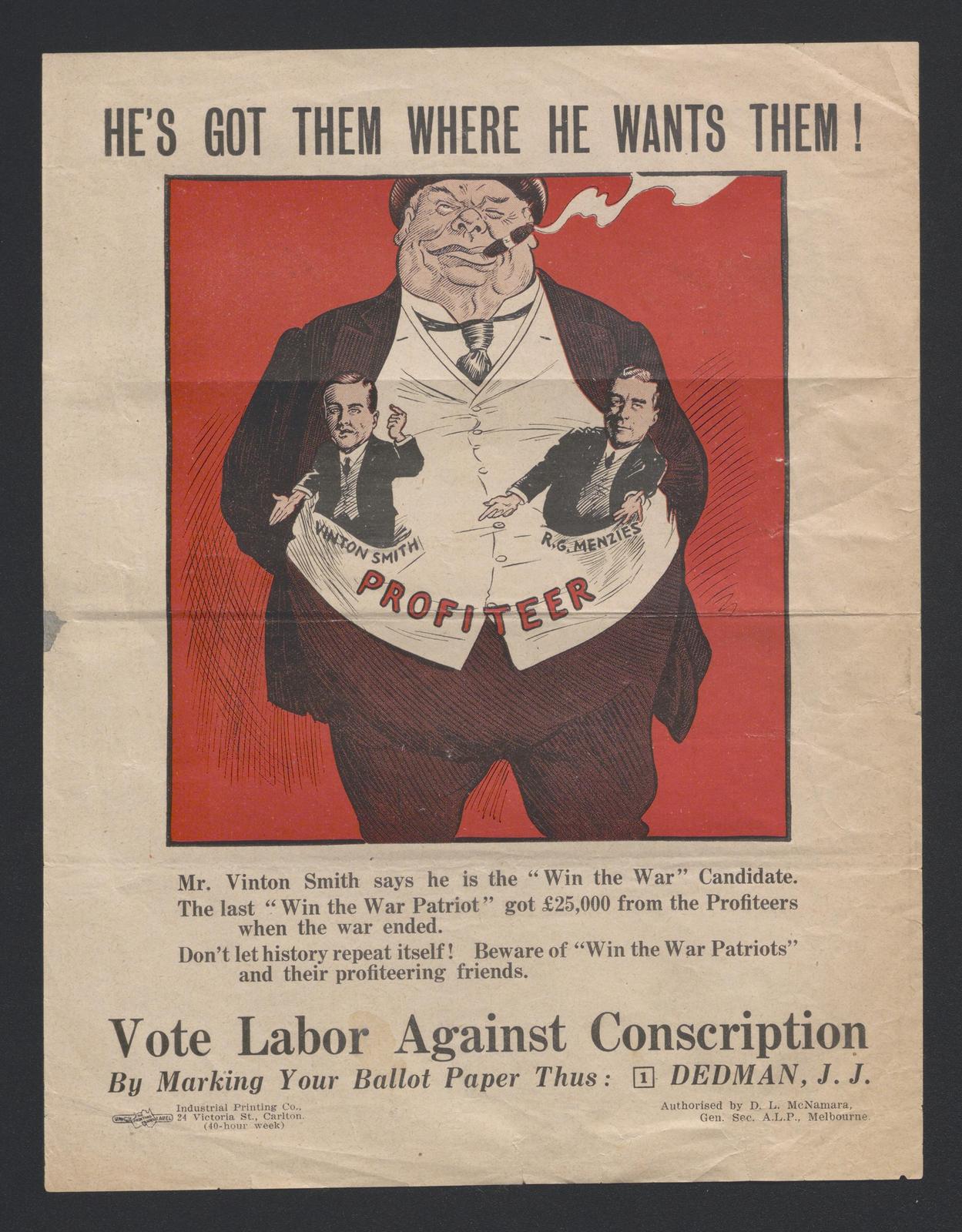
Irish citizens campaign against conscription by the British Government, 1918 — Wikimedia Commons contributor (Public domain). Source: irish-citizens-campaign-against-conscription-by-the-british.jpg

On 14 April 1918, the Irish Labor Party and Trade Union Congress organized a rally in Belfast against conscription, and on 16 April a rally in Cork drew thousands [source: nv-database]. Parliament approved the new Military Service Act on 16 April, and the Irish Parliamentary Party withdrew from Parliament to oppose it [source: nv-database]. On 18 April, leaders from Sinn Féin, the Irish Parliamentary Party, All-for-Ireland, and Labor met at the Mansion House in Dublin, while the Catholic clergy declared their support for the anti-conscription campaign [source: nv-database]. On 20 April, 1,500 delegates at the All Ireland Trades Conference decided to hold a general strike on 23 April [source: nv-database]. On 21 April, over two million Irish took an oath against conscription at Catholic churches across the country [source: nv-database]. The general strike on 23 April paralyzed most of Ireland except parts of Ulster, and rallies were held in over 59 towns and villages [source: nv-database]. On 27 April, the Irish Women Worker’s Union and Cumann na mBan organized a meeting to support the campaign [source: nv-database]. On 17-18 May, British authorities arrested 69 Sinn Féin leaders, including Éamon de Valera, in the so-called ‘German Plot,’ which backfired and strengthened support for the movement [source: nv-database]. On 9 June, two-thirds of Irish women pledged not to take jobs of conscripted men [source: nv-database]. On 18 July, the anti-conscription conference declared victory, though they urged continued readiness [source: nv-database]. World War I ended on 11 November 1918, removing the threat of conscription [source: nv-database].
Key people & organizations
- Sinn Féin
- Irish Parliamentary Party
- Irish Labor Party and Trade Union Congress
- Irish Women Worker’s Union
- Catholic Church
- Éamon de Valera
- Ignatius J. O’Brien
- anti-conscription conference
Outcome
Verdict: won.
Although the Military Service Act remained legally in effect, the British government never enforced conscription in Ireland. The campaign achieved a total success score of 10 out of 10 points in the database, and it built lasting solidarity among Irish nationalists that aided the independence movement after World War I [source: nv-database].
Lessons
- A broad coalition uniting diverse groups (political parties, labor, clergy) can make a campaign unstoppable.
- Mass public pledges and a general strike can demonstrate overwhelming opposition and make a policy unenforceable.
- Government repression (like the ‘German Plot’ arrests) can backfire and strengthen a movement if seen as unjust.
Sources
- Global Nonviolent Action Database —
nv-database
Disclaimer: Included as a teaching example of campaign craft, not as endorsement.
Sources & verification
nv-database— grounding: primary — license: link-only- Rewritten: 2026-06-25 via
worker_casestudies_v2.py