
Where it took place
| Type | Place |
|---|---|
| Region | Transnational |
| Country | Ivory Coast |
Campaign at a glance
In 1989-1990, a broad coalition of Ivorian farmers, students, civil servants, and security forces launched a nonviolent campaign demanding a transition to multiparty democracy and an end to austerity measures. [source: nv-database]
The campaign combined strikes, protests, and sit-ins, culminating in President Félix Houphouët-Boigny’s agreement to legalize opposition parties and hold elections in May 1990. [source: nv-database]
This peaceful transition marked a significant shift from decades of one-party rule. [source: nv-database]
Tactics used
- [boycotts-and-strikes
- nonviolent direct action
- civil-resistance
- coalition building
Background
Félix Houphouët-Boigny had ruled Côte d’Ivoire since independence in 1960 under a one-party system. [source: nv-database]
A fall in global commodity prices in the late 1980s led to severe austerity measures, including cuts to farmer subsidies and government jobs, sparking widespread discontent. [source: nv-database]
Citizens demanded a more representative government and an end to economic hardship. [source: nv-database]
What happened
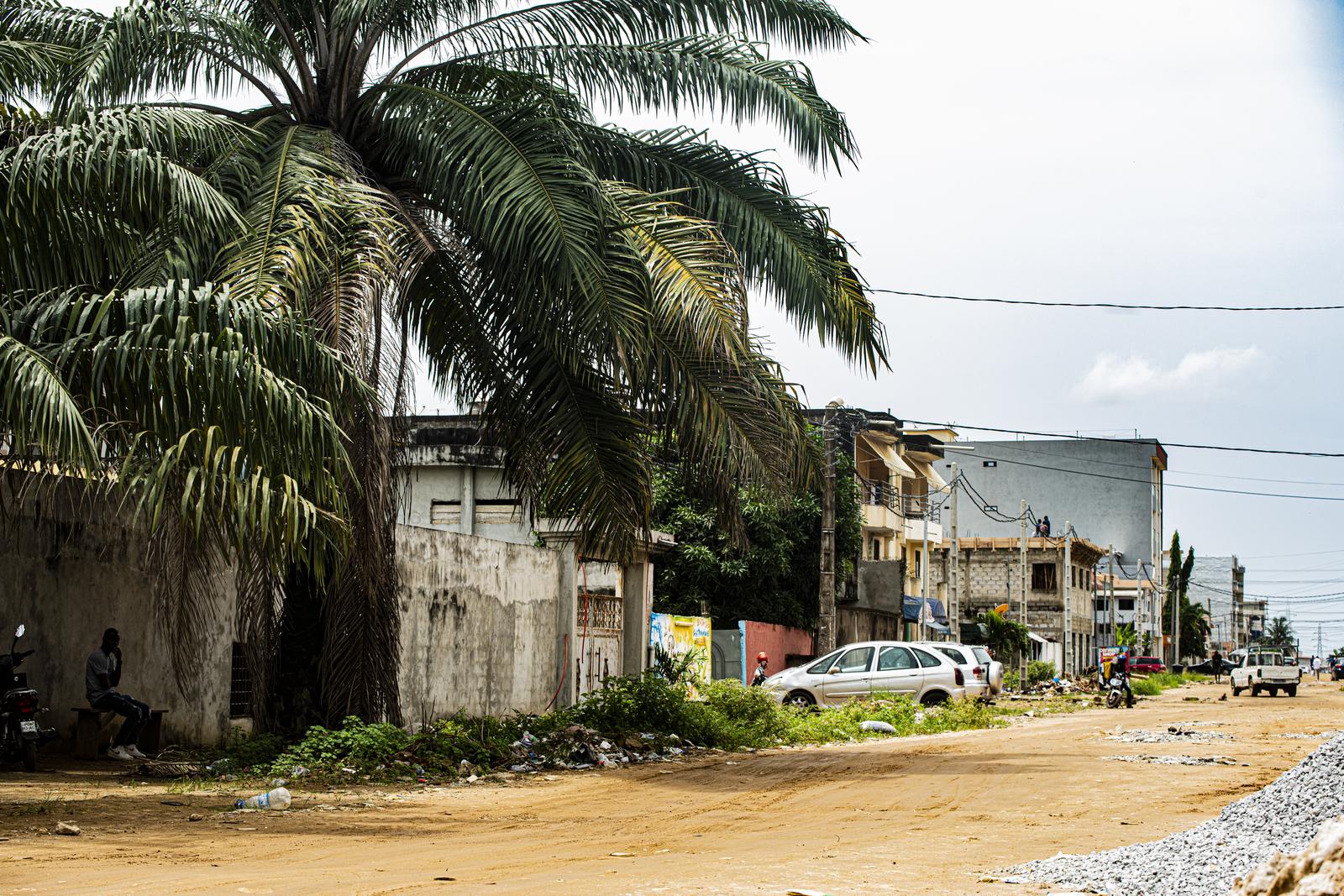
Climat et météo Ivory coast by Alida Ledjou from Wiki Loves Africa Côte d’Ivoire 2023 — Ledjou7 (CC BY-SA 4.0). Source: ivorians-demand-switch-to-multiparty-democracy-1989-1990.jpg

The campaign began in April 1989 with strikes by farmers and transportation workers protesting roadblocks and economic policies [source: nv-database]. In February 1990, university students in Abidjan launched large demonstrations, including marches on the presidential palace and a ten-hour occupation of St. [source: nv-database] Paul’s Roman Cathedral [source: nv-database]. Police responded with tear gas, stun grenades, and beatings [source: nv-database]. In April 1990, army and air force recruits staged protests and occupied the international airport, while police and firefighters struck for higher wages [source: nv-database]. Facing pressure from all sectors, Houphouët-Boigny agreed in May 1990 to legalize opposition parties, raise wages for security forces, and schedule elections for fall 1990 [source: nv-database]. The elections were held, though Houphouët-Boigny won in a landslide amid low turnout and a short campaign season [source: nv-database].
Key people & organizations
- Laurent Gbagbo
- Felix Houphouet-Boigny
- Front Populaire Ivoirien
- Parti Democratique de la Cote d’Ivoire (PDCI)
Outcome
Verdict: won.
The campaign achieved its primary goal of transitioning to a multiparty democracy, with opposition parties legalized and elections held. However, the movement did not survive strongly as Houphouët-Boigny won the subsequent election, and many citizens distrusted the electoral process. [source: nv-database]
Lessons
- Broad coalitions spanning different social groups can amplify pressure on authoritarian regimes.
- Economic crises can create windows of opportunity for political change.
- Nonviolent campaigns can achieve peaceful transitions even after decades of one-party rule.
Sources
- Global Nonviolent Action Database —
nv-database
Disclaimer: Included as a teaching example of campaign craft, not as endorsement.
Sources & verification
nv-database— grounding: primary — license: link-only- Rewritten: 2026-06-25 via
worker_casestudies_v2.py