
Where it took place
| Type | Place |
|---|---|
| Region | Asia |
| Country | North Korea |
Campaign at a glance
In 1919, Koreans launched a massive nonviolent campaign for independence from Japanese colonial rule, beginning with a declaration of independence on March 1st. [source: nv-database]
Over the following weeks, more than two million people participated in over 1,500 protests across the country. [source: nv-database]
Although the campaign did not achieve immediate independence, it forced Japan to adopt more lenient governance and led to the creation of a provisional government in exile. [source: nv-database]
Tactics used
- [boycotts-and-strikes
- nonviolent direct action
- civil-resistance
- coalition building
Background
Korea was placed under Japanese military rule in 1905 and officially annexed in 1910, leading to widespread discontent. [source: nv-database]
The death of Emperor Gojong in early 1919 and U.S. [source: nv-database]
President Woodrow Wilson’s Fourteen Points speech inspired Korean students and religious leaders to organize for independence. [source: nv-database]
What happened
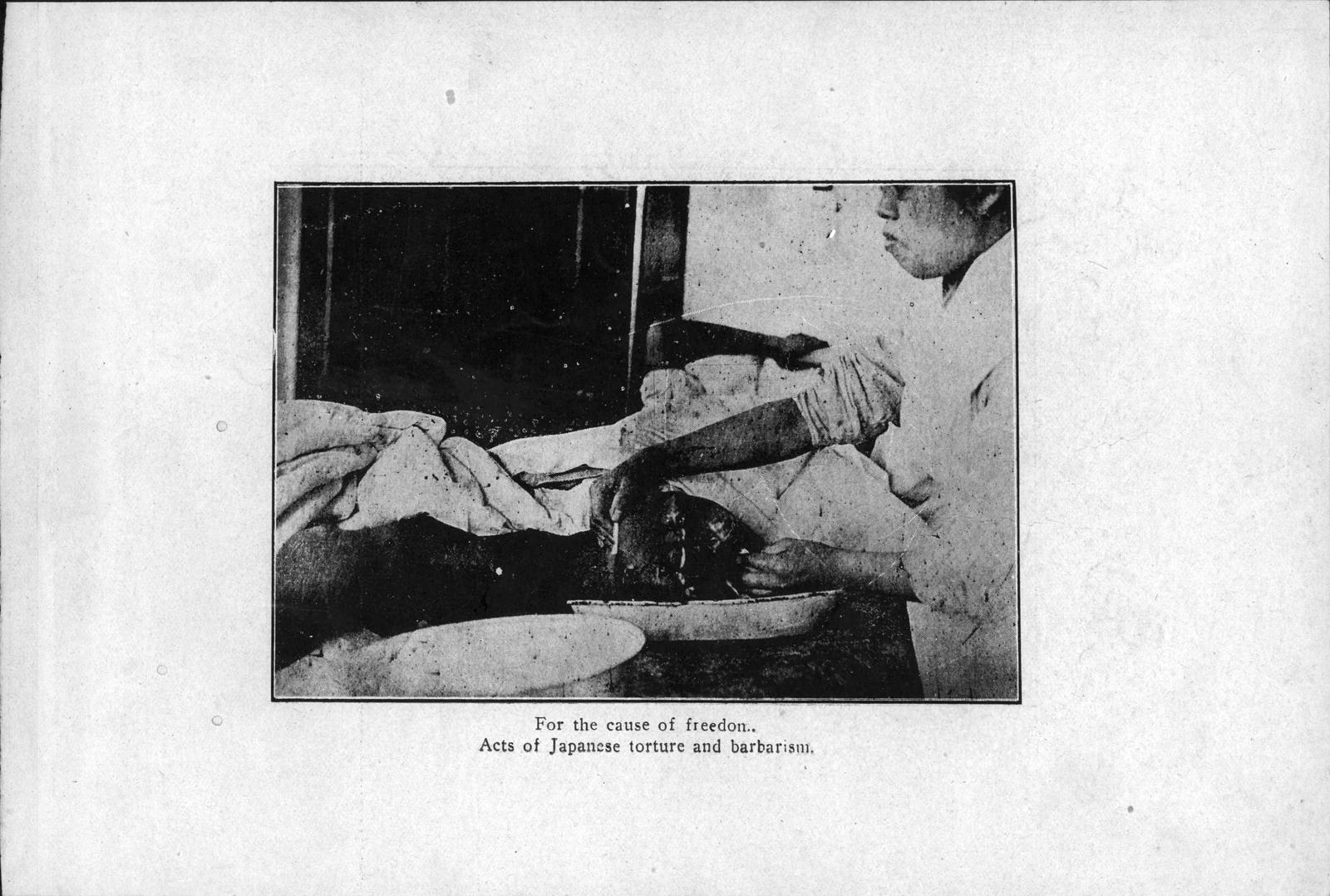
(Red Cross pamphlet on March 1st Movement) (KADA-shyun15-012~15) — Unknown authorUnknown author (Public domain). Source: koreans-protest-japanese-control-in-the-march-1st-movement-1919.jpg

On March 1, 1919, thirty-three religious leaders proclaimed Korea’s independence and then voluntarily surrendered to police [source: nv-database]. Copies of the declaration were sent nationwide, and nonviolent rallies erupted in Seoul, Ansong, P’yongyang, and many other cities [source: nv-database]. By April 10th, over 300 cities had held parades, demonstrations, and nonviolent raids of Japanese outposts [source: nv-database]. Japanese forces responded with extreme violence, including live ammunition, bayonets, and torture, killing an estimated 7,500 people and arresting 46,000 [source: nv-database]. Despite the repression, protests continued into mid-April, involving more than two million participants [source: nv-database]. The campaign also sparked the formation of the Provisional Government of the Republic of Korea in exile [source: nv-database].
Key people & organizations
- Son Pyongo-hui
- Yi Sung-hun
- Han Yong-un
- Korean Youth Independence Corps
- New Korea Youth Association
Outcome
Verdict: partial.
Although Korea did not achieve immediate independence, the Japanese responded by replacing the military police with a civilian force and allowing limited press freedom, addressing some grievances [source: nv-database]. The movement’s infrastructure survived and grew, and March 1st is celebrated as a national holiday in both North and South Korea [source: nv-database].
Lessons
- A dramatic symbolic act (like a declaration of independence) can galvanize mass participation.
- Nonviolent campaigns can achieve partial concessions even when the primary goal is not immediately met.
- International ideas (e.g., self-determination) can inspire and legitimize local movements.
Sources
- Global Nonviolent Action Database —
nv-database
Disclaimer: Included as a teaching example of campaign craft, not as endorsement.
Sources & verification
nv-database— grounding: primary — license: link-only- Rewritten: 2026-06-25 via
worker_casestudies_v2.py