
Where it took place
| Type | Place |
|---|---|
| Region | Africa |
| Country | Western Sahara |
Campaign at a glance
From May 2005 to 2008, Sahrawi activists in Western Sahara and southern Morocco waged a sustained nonviolent campaign for independence from Moroccan occupation. [source: nv-database] Despite widespread protests, hunger strikes, and creative actions, the campaign did not achieve its goal of independence. [source: nv-database] The movement survived and grew but ultimately failed to force a referendum or end Moroccan control. [source: nv-database]
Tactics used
Background
Morocco invaded Western Sahara in 1975 and retained control of most of the territory, while the Polisario Front declared the Sahrawi Arab Democratic Republic (RASD). A 1991 ceasefire and UN-supervised referendum stalled over voter eligibility, and Morocco rejected the 2003 Baker Plan for self-determination, sparking renewed protests. Sahrawis sought independence and an end to Moroccan occupation.
What happened
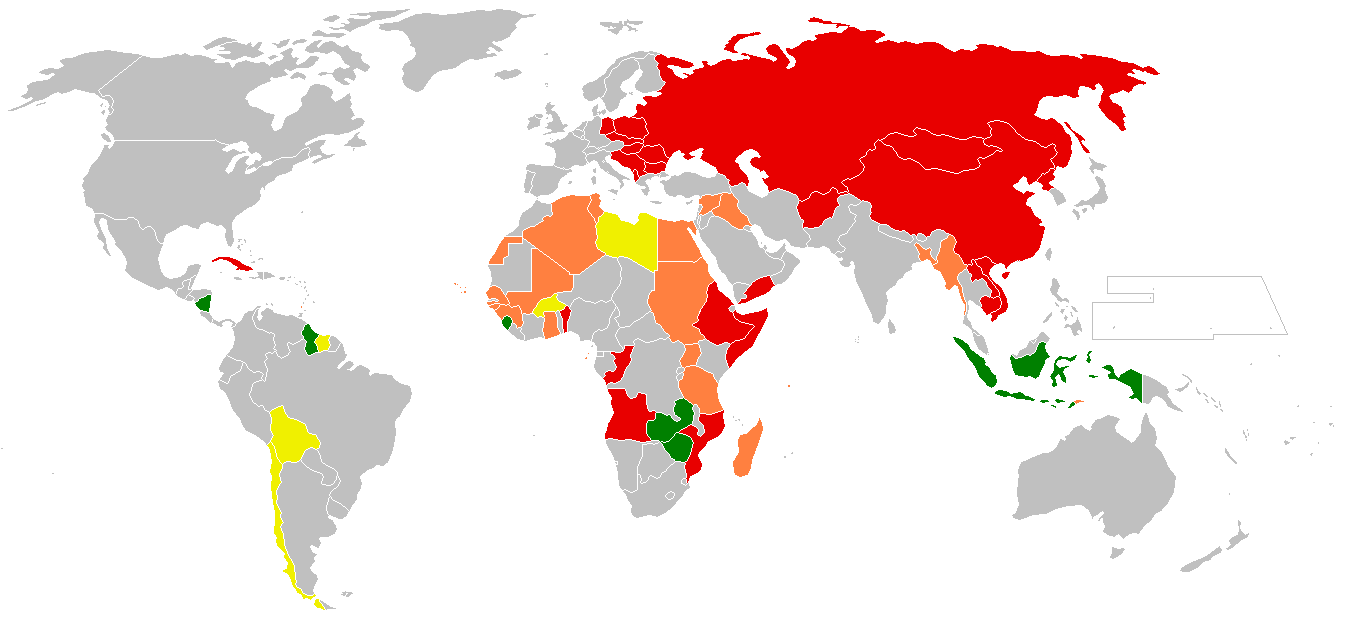
Lead photo. — Wikimedia Commons contributor (CC BY-SA 4.0). Source: sahrawis-campaign-for-independence-in-the-second-intifada.png
The second intifada began in May 2005 with thousands of protesters led by women and youth in al-‘Ayun, demanding an end to occupation and independence [source: nv-database]. Moroccan police cracked down violently, kidnapping organizers and arresting over 100 activists within days [source: nv-database]. Solidarity protests erupted at Moroccan universities, where students held hunger strikes and demonstrations [source: nv-database]. In August 2005, 37 jailed activists waged a hunger strike to protest unlawful arrests and prison conditions [source: nv-database]. On 30 October 2005, protester Hamdi Lembarki was beaten to death by police, becoming a martyr; his funeral in January 2006 drew massive crowds [source: nv-database]. After Aminatou Haidar was released from seven months of torture in early 2006, Sahrawis celebrated publicly with flags and symbols [source: nv-database]. Protesters used creative tactics such as attaching RASD flags to feral cats and changing French street names to Spanish in historically Spanish towns [source: nv-database]. On Human Rights Day 2006, a planned march turned into a sit-in outside a hotel housing UN personnel, resulting in beatings and arrests [source: nv-database]. Organizing relied heavily on internet chat rooms (dubbed ‘Sahrawi CNN’) and mobile phones [source: nv-database]. By 2007, protests occurred daily but became smaller due to repression; by 2008 the campaign waned in frequency and intensity [source: nv-database]. The 1991 referendum never took place, and the UN mission was extended 39 times without resolution [source: nv-database].
Key people & organizations
- Aminatou Haidar [source: nv-database]
- Ali Salem Tamek [source: nv-database]
- Polisario Front [source: nv-database]
- Sahrawi Diaspora [source: nv-database]
- Moroccan government [source: nv-database]
Outcome
Verdict: lost.
The Sahrawis did not achieve independence or a referendum; the campaign scored 0 out of 6 points for success in specific demands. However, the movement survived (1/1) and grew (2/3), with protests continuing into later years, but the overall goal remained unmet. [source: nv-database]
Lessons
- Sustained nonviolent action can survive severe repression and maintain daily protest activity for years.
- Creative symbolic actions (e.g., flag displays on animals, renaming streets) can generate attention and disrupt opponent control.
- Diaspora funding and international advocacy (e.g., Robert F. Kennedy Human Rights Award) can amplify a campaign’s reach [source: nv-database]
- Internet chat rooms and mobile phones are effective tools for organizing under surveillance and repression [source: nv-database]
Sources
- Global Nonviolent Action Database —
nv-database
Disclaimer: Included as a teaching example of campaign craft, not as endorsement.
Sources & verification
nv-database— grounding: primary — license: link-only- Rewritten: 2026-06-25 via
worker_casestudies_v2.py