
Where it took place
| Type | Place |
|---|---|
| Region | North America |
| Country | United States |
Campaign at a glance
In spring 1985, University of California Berkeley students organized protests and a sit-in demanding the university divest its $1.7 billion holdings in companies doing business in South Africa. [source: nv-database] After mass arrests and a student boycott, the university regents agreed to a public hearing but did not change policy. [source: nv-database] In June 1986, the regents established a three-year divestment plan, though the direct impact of the protests is debated. [source: nv-database]
Tactics used
Background
In the spring of 1985, anti-apartheid campaigns mobilized on U.S. campuses. Students at UC Berkeley demanded that the University of California regents divest $1.7 billion in holdings from companies doing business in South Africa. Two student groups, the UC Divestment Committee and the Campaign Against Apartheid, led the effort.
What happened
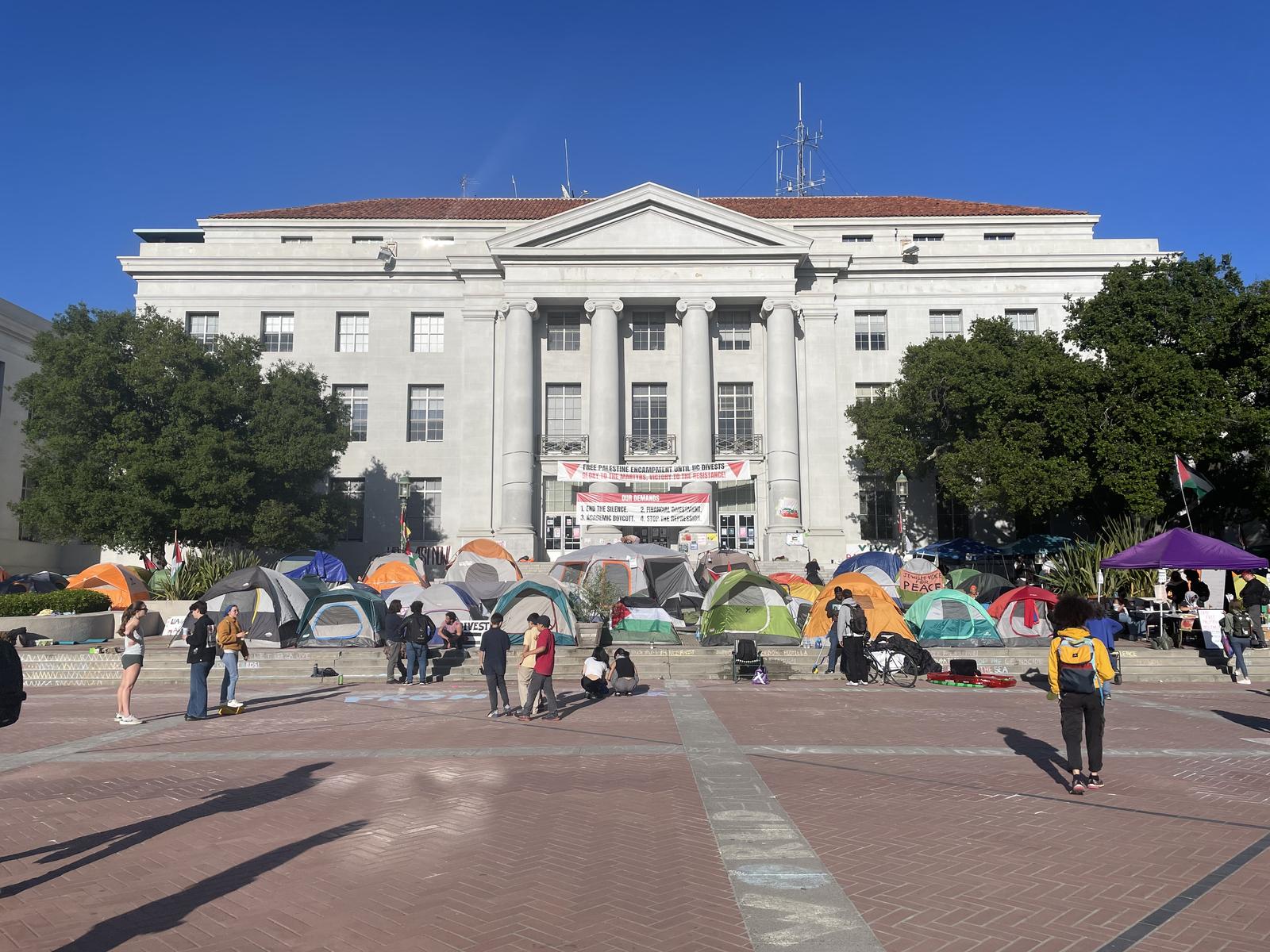
Lead photo. — Wikimedia Commons contributor (CC BY-SA 4.0). Source: university-of-california-berkeley-students-win-divestment-against.jpg
On April 10, 1985, student groups began daily rallies at Sproul Plaza, renaming it ‘Steven Biko Plaza’ and holding overnight sit-ins with movies and discussions about apartheid [source: nv-database]. On April 16, police raided the sit-in and arrested 156 protesters, enraging the student body [source: nv-database]. The next day, 10,000 students boycotted classes, supported by professors and teaching assistants who said they would not penalize absent students [source: nv-database]. Berkeley Mayor Guy Newport called the arrests ‘stupid’ and refused to aid suppression [source: nv-database]. The regents agreed to a public hearing on April 24, but no policy change resulted [source: nv-database]. Students continued sit-ins for 44 days until summer break [source: nv-database]. In June 1986, the regents adopted a three-year divestment plan [source: nv-database].
Key people & organizations
- Nancy Skinner [source: nv-database]
- William Nessen [source: nv-database]
- United People of Color [source: nv-database]
- Bay Area Free South Africa Movement [source: nv-database]
- Guy Newport [source: nv-database]
- Willie Brown [source: nv-database]
- UC Divestment Committee [source: nv-database]
- Campaign Against Apartheid [source: nv-database]
Outcome
Verdict: partial.
The university eventually divested, but leaders disagreed on the protests’ influence; many believed action came only after state government support. The campaign achieved partial success as divestment occurred but was delayed and seen as more symbolic than outright. [source: nv-database]
Lessons
- Mass arrests can backfire and galvanize broader support.
- Building alliances with political elites can increase pressure on decision-makers.
- Sustained nonviolent occupation can keep an issue in the public eye.
Sources
- Global Nonviolent Action Database —
nv-database
Disclaimer: Included as a teaching example of campaign craft, not as endorsement.
Sources & verification
nv-database— grounding: primary — license: link-only- Rewritten: 2026-06-25 via
worker_casestudies_v2.py