
Where it took place
| Type | Place |
|---|---|
| Region | North America |
| Country | United States |
Campaign at a glance
In 1989, coal miners in Virginia, West Virginia, and Kentucky struck against the Pittston Company to restore health benefits for retired miners and their dependents [source: nv-database]. The United Mine Workers Union (UMWA) led the strike, which involved picketing, sit-ins, and nonviolent obstruction of coal trucks [source: nv-database]. The campaign achieved most of its goals, including a new contract reinstating benefits, and contributed to the Coal Act of 1992 [source: nv-database].
Tactics used
- unknown
Background
The Pittston Company cut costs by ceasing contributions to a benefit trust for pre-1974 retirees, leaving 1,500-1,700 retirees, widows, and disabled miners without healthcare [source: nv-database]. It also doubled healthcare deductibles, eliminated overtime pay, and removed successorship clauses, threatening job security. The UMWA sought a new contract restoring health benefits and fair working conditions.
What happened
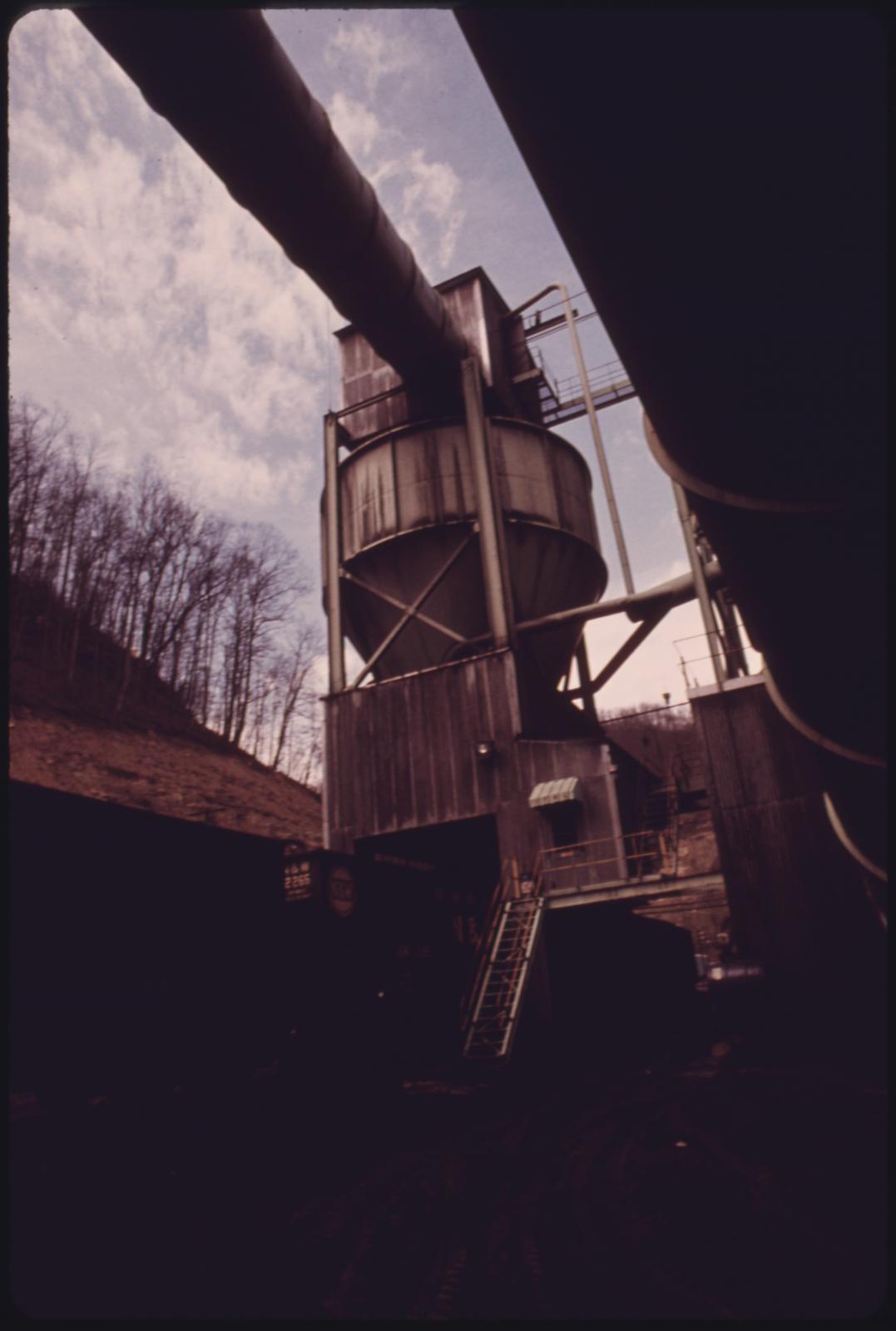
Lead photo. — Jack Corn (Public domain). Source: coalminers-strike-against-pittston-company-in-virginia-usa-1989.jpg

On April 5, 1989, after 14 months without a contract, UMWA President Richard Trumka declared a strike, and over 2,000 miners walked out and began picketing [source: nv-database]. The Pittston Company hired replacement workers, so strikers focused on slowing production by sitting in roads to block coal delivery trucks, leading to hundreds of arrests daily [source: nv-database]. By June 1989, 2,000 UMWA miners were joined by 37,000-40,000 wildcat strikers, who sometimes threw rocks and damaged property, though the union remained nonviolent [source: nv-database]. Women’s groups like the Freedom Fighters and Daughters of Mother Jones ran Camp Solidarity to house and feed strikers, and on April 18, 1989, 39 members held a 36-hour sit-in at Pittston headquarters, halting production [source: nv-database]. The decisive action occurred on September 17, 1989, when 99 union members conducted a surprise sit-down strike at the Moss 3 processing plant, stopping production for four days [source: nv-database]. This drew national attention, leading Secretary of Labor Elizabeth Dole to appoint mediator William Usery Jr. [source: nv-database] [source: nv-database]. A settlement was announced on January 1, 1990, and implemented on February 20, 1990, restoring health and retirement benefits [source: nv-database]. The campaign also influenced the Coal Act of 1992, requiring all coal mines to provide such benefits [source: nv-database]. However, the UMWA faced $64 million in fines, later reduced to community service, and Pittston eventually sold many plants to non-union companies [source: nv-database].
Key people & organizations
- United Mine Workers Union (UMWA)
- Richard Trumka
- Cecil Roberts
- Pittston Coal Company
- Daughters of Mother Jones
- Freedom Fighters
- Cesar Chavez
- Jesse Jackson
- Elizabeth Dole
- Lane Kirkland
Outcome
Verdict: partial.
The union achieved 4 out of 6 goals, including reinstated health benefits, but the organization suffered from high costs and fines, making the outcome partial. The strike is considered a success for its role in the Coal Act of 1992, though long-term financial impacts on the union and company were mixed. [source: nv-database]
Lessons
- Building a broad coalition of supporters, including non-union wildcat strikers, can amplify a campaign’s impact and draw national attention.
- Women’s groups can play a critical role in sustaining a strike through logistical support and direct action.
- Nonviolent obstruction tactics, such as sit-ins and roadblocks, can effectively disrupt production and force negotiation.
- High-profile visits from figures like Cesar Chavez and Jesse Jackson can increase media coverage and political pressure.
Sources
- Global Nonviolent Action Database —
nv-database
Disclaimer: Included as a teaching example of campaign craft, not as endorsement.
Sources & verification
nv-database— grounding: primary — license: link-only- Rewritten: 2026-06-25 via
worker_casestudies_v2.py
Learn more
- On Wikipedia: Pittston Coal strike — CC BY-SA 4.0