
Where it took place
| Type | Place |
|---|---|
| Region | Latin America |
| Country | Guatemala |
Campaign at a glance
From 1988 to 1993, the Council of Ethnic Communities “Runujel Junam” (“Everyone Equal,” CERJ), coordinated by Amílcar Méndez and accompanied by Peace Brigades International, invoked Article 34 of the 1985 Guatemalan Constitution to refuse forced service in the military-run Patrullas de Autodefensa Civil (PAC). [source: nv-database] By mid-1989, at least 7,000 indigenous Mayans refused PAC service; the campaign continued at scale for several years despite military killing of activists. The source scores the campaign as partial: the formal PAC system was eventually dismantled in 1996 as part of the peace accords, but the killing of refusers and the incommunicado fear in indigenous villages meant the campaign’s central demand was only met at the end of the armed conflict. [source: nv-database]
Tactics used
- noncooperation
- petitions
- declarations-by-organizations-and-institutions
- international-solidarity
- marches
Background
From 1961 to 1996, Guatemala endured a civil war between a military-controlled government and the leftist Guatemalan National Revolutionary Unity (URNG). [source: nv-database] Extreme violence displaced many indigenous Mayans, particularly to the western highlands. Because the Mayans lived in the same areas as guerrilla units, the military viewed them as potential guerrilla recruits and subjected them to frequent repression.
In 1981, military dictator José Efraín Ríos Montt established the Patrullas de Autodefensa Civil (PAC). All Mayan men, including those as young as eight, were required to participate. Patrol members were required to accompany soldiers, provide manual labor for military maneuvers, monitor indigenous communities, and sometimes participate in combat itself. Workweeks of up to 24 hours were common. The work was undesirable because of inadequate pay, long hours, and its interruption of subsistence agriculture; refusers were intimidated, threatened, and — when they persisted — killed. [source: nv-database]
In 1985, the Guatemalan government under President Cerezo wrote a new constitution whose Article 34 prohibited forced servitude. Mayan campesinos began asking Amílcar Méndez, a charismatic half-Indian, half-Caucasian activist, whether the new article meant they could discontinue their forced PAC participation. Méndez encouraged the resistance and coordinated the nonviolent third-party intervention of Peace Brigades International (PBI). The international accompaniments accompanied the Mayans to political meetings, but local military intelligence continued to intimidate villagers, who at first could not effectively resist. Méndez was exiled to Canada in 1987 and returned to Guatemala in 1988. [source: nv-database]
What happened
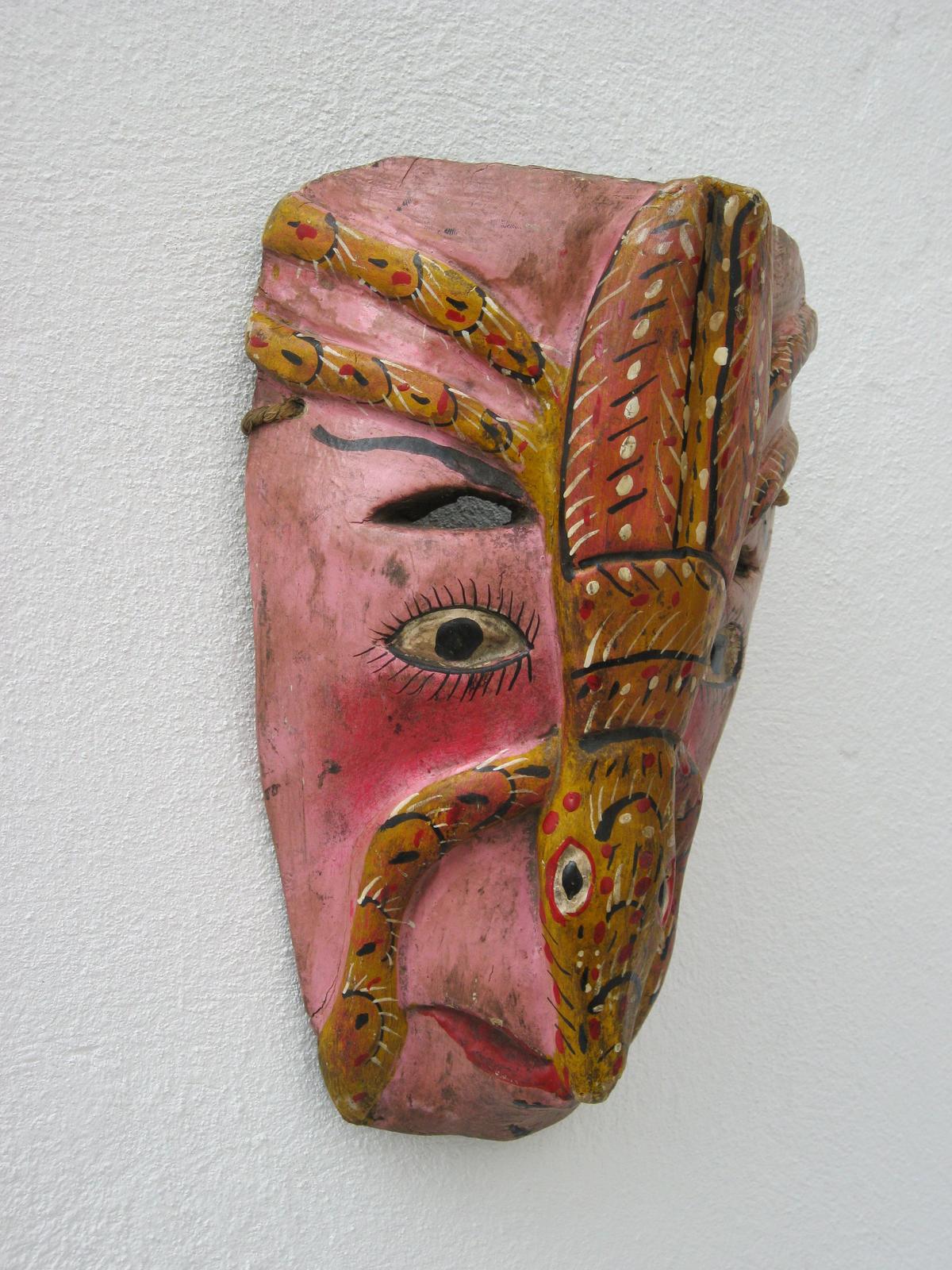
Lead photo. — Hubertl (CC BY-SA 4.0). Source: guatemalans-refuse-serve-civil-patrols-1988-1993.jpg

In March 1988, residents of Zacualpa villages delivered a letter to President Cerezo demanding enforcement of Article 34 and noting PAC intimidation. In May 1988, Méndez led about forty Quiché Mayans to the capital carrying banners reading “We demand enforcement of Article 34” and “We the people of Quiché refuse to serve in the patrols. We want the army OUT of our communities.” Later in May, campesinos from San Andrés, Sacjabaja, and Laguna Seca sent the government human rights ombudsman their formal letters of refusal. By the end of May, Zacualpa civil patrol leaders had detained Marcos Canil Saquic — a signer of the letter — and interrogated him until he disclosed the names of other organizers. [source: nv-database]
With Méndez’s life publicly threatened, PBI, Amnesty International, Americas Watch, the World Organization Against Torture, and Central American solidarity organizations intervened to protect him; he was accompanied by internationals wherever he went. [source: nv-database]
On July 31, 1988, Quiché campesinos and Méndez founded the Council of Ethnic Communities “Runujel Junam” or “Everyone Equal” (CERJ). The group set a platform for their movement against ethnic and cultural discrimination. Within three months, 78 villages were resisting service in the patrols. [source: nv-database]
The government continued its repression. By mid-1989 at least 7,000 Mayans refused PAC service. Two weeks after CERJ was founded, the military killed activists Pedro Cumes Pérez and Valerio Chijal; by November two more CERJ activists had disappeared. [source: nv-database]
Méndez distributed copies of Article 34 among Quiché residents so they could campaign effectively. PBI spent four years in Quiché accompanying Méndez and other leaders. CERJ continued to fight for dismantling the civil patrols; on July 1993 two patrollers from Xemal who refused to rejoin the PAC were killed. On August 3, 1993, 4,000 people from Xemal and neighboring villages [filled the streets to mourn and resist]. [source: nv-database]
The formal PAC system was eventually dismantled in 1996 as part of the post-war peace accords.
Key people & organizations
- Amílcar Méndez — the half-Indian, half-Caucasian activist who coordinated the campaign
- The Council of Ethnic Communities “Runujel Junam” (CERJ, “Everyone Equal”)
- Peace Brigades International (PBI) — four-year accompaniment in Quiché
- Amnesty International, Americas Watch, the World Organization Against Torture — international support
- The communities of Zacualpa, San Andrés, Sacjabaja, Laguna Seca, and Xemal — refusers and their villages
- Pedro Cumes Pérez and Valerio Chijal — the first two activists killed by the military after CERJ’s founding
- President Vinicio Cerezo — who authored the 1985 constitution with Article 34
Outcome
Verdict: partial.
By mid-1989, at least 7,000 Mayans refused PAC service; the campaign built an organizational base (CERJ) that survived years of military killing. [source: nv-database] The formal PAC system was dismantled in 1996 as part of the post-war peace accords. The campaign is scored partial because the Mayans’ central demand — that the military not impose involuntary servitude — was met only at the end of the war, not within the campaign’s active years; in the interim, organizers were killed and intimidated.
Lessons
- A new constitutional provision (Article 34) is not a victory on its own; sustained refusal by a definable constituency is what gives the provision practical force.
- International accompaniment (PBI) sustained for years enables indigenous communities to publicly refuse a deeply entrenched military control system, even at significant risk.
- A council named in the language of equality (“Runujel Junam” / “Everyone Equal”) translated an indigenous-rights grievance into a national-democratic frame, expanding the potential coalition.
Sources
- Global Nonviolent Action Database — Guatemalans refuse to serve in civil patrols, 1988-1993 —
nv-database
Disclaimer: Included as a teaching example of campaign craft, not as endorsement.
Sources & verification
nv-database— grounding: primary — license: link-only / all-rights-reserved (ND-style; content paraphrased, not quoted)- Verified: 2026-07-04 by human