
Where it took place
| Type | Place |
|---|---|
| Region | North America |
| Country | United States |
Campaign at a glance
In 1938, Hawaiian longshoremen and dock workers struck against the Inter-Island Steam Navigation Company in Honolulu for better wages, working conditions, and a union shop [source: nv-database]. The strike lasted from February to August and included picketing, marches, and a sit-down protest [source: nv-database]. Despite the strike failing to achieve its immediate goals, the violent police response known as the Hilo Massacre strengthened unionization and inspired future labor actions in Hawaii.
Tactics used
- boycotts and strikes
- nonviolent direct action
- civil-resistance
- coalition building
Background
In the 1920s and 1930s, Hawaiian workers faced strong opposition from plantation owners and large companies like Inter-Island Steam Navigation Company, and ethnic divisions made organizing difficult [source: nv-database]. After the Wagner Act legalized unions in 1935, Harry Kamoku formed the multi-racial Hilo Longshoreman’s Association in 1935, which later joined the International Longshoremen and Warehousemen’s Union [source: nv-database]. The unions demanded equal pay with West Coast workers, a union shop, and a five-day work week [source: nv-database]. In 1938, the Hilo Longshoreman’s Association targeted Inter-Island Steam Navigation Company to achieve these goals [source: nv-database].
What happened
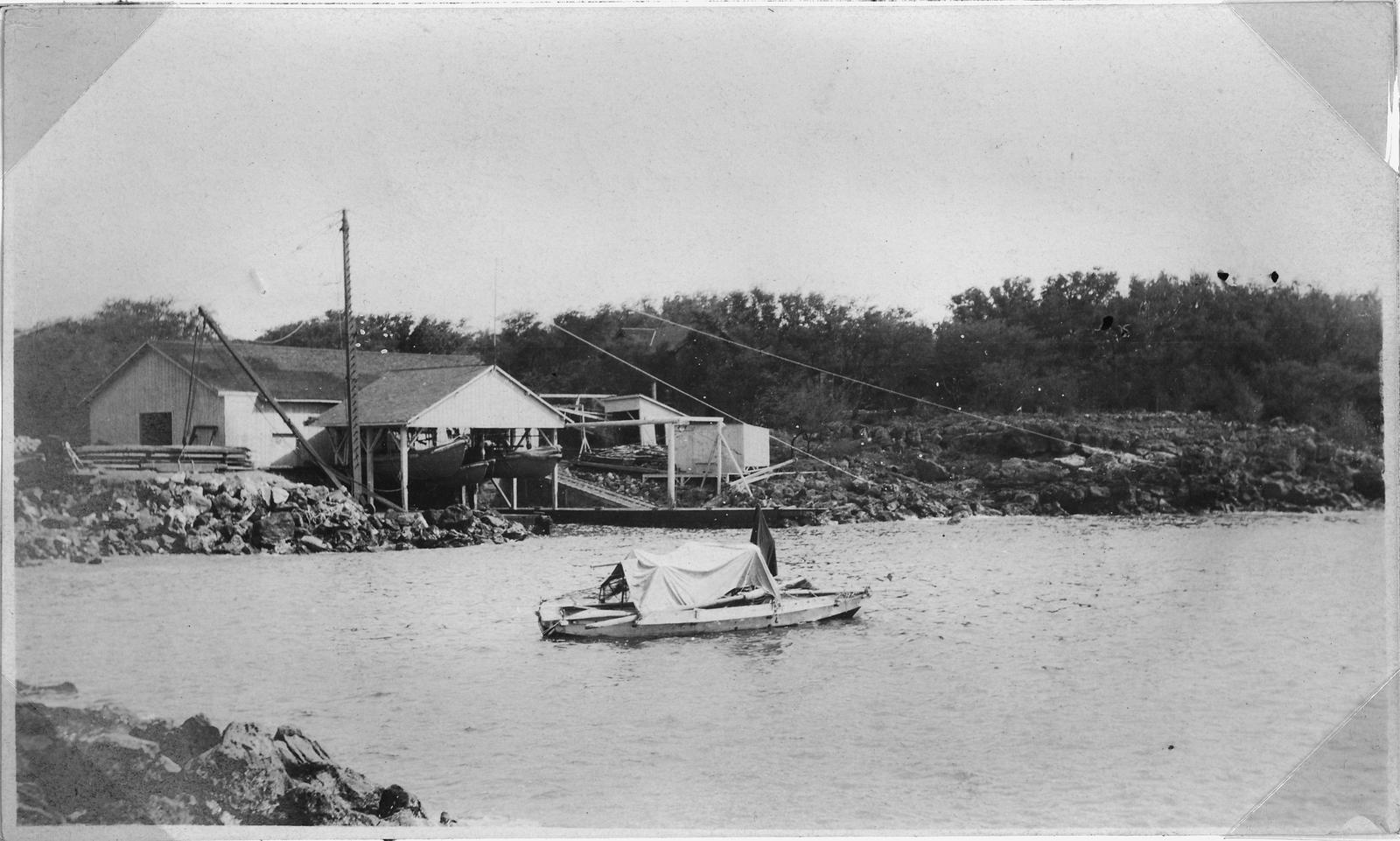
Lead photo. — Unknown authorUnknown author or not provided (Public domain). Source: hawaiians-strike-against-inter-island-steam-navigation-company.jpg

On 4 February 1938, workers stopped unloading cargo from Inter-Island’s four steamers in Honolulu [source: nv-database]. Negotiations in March and April failed, and the company laid off about 150 dock workers and launched a public relations campaign [source: nv-database]. On 27 May, union representatives walked out and set up pickets and a strike [source: nv-database]. Inter-Island hired non-union replacement workers, and by July two ships were in full service and a third was set to return [source: nv-database]. On 7 July, an alleged attempt to blow up the SS Waialeale discredited the unions [source: nv-database]. Union leaders set stricter guidelines for public behavior [source: nv-database]. On 19 July, the SS Waialeale resumed full cargo service, and Harry Kamoku reached a gentlemen’s agreement in Hilo that the ship would not deliver full cargo there [source: nv-database]. On 27 July, 150 longshoremen in Kauai demonstrated in solidarity [source: nv-database]. On 1 August, about 200 protesters marched to Pier 2 in Hilo; police threw tear gas, used fire hoses, and after a sit-down protest, a lieutenant stabbed a man with a bayonet and police fired at the crowd with buckshot and birdshot, wounding two women and two children [source: nv-database]. The strike ended on 15 August 1938 without achieving its goals [source: nv-database].
Key people & organizations
- Harry Kamoku
- International Longshoremen and Warehouse Union
- Hilo Longshoremen’s Association
- Inland Boatmen’s Union (IBU)
- Inter-Island Steam Navigation Company Limited
Outcome
Verdict: lost.
The strike failed to achieve any of its six demands, as workers returned to the same conditions [source: nv-database]. However, the unions survived and the Hilo Massacre galvanized public support for unionization, leading to future successful campaigns [source: nv-database].
Lessons
- Violent repression can backfire and strengthen a movement’s long-term resolve, even if the immediate campaign fails.
- Solidarity actions across islands can amplify pressure on a company.
- A clear code of nonviolent discipline helps maintain public support after provocations.
Sources
- Global Nonviolent Action Database —
nv-database
Disclaimer: Included as a teaching example of campaign craft, not as endorsement.
Sources & verification
nv-database— grounding: primary — license: link-only- Rewritten: 2026-06-25 via
worker_casestudies_v2.py