
Where it took place
| Type | Place |
|---|---|
| Region | North America |
| Country | United States |
Campaign at a glance
In October 2021, about 1,400 union workers at four Kellogg’s cereal plants in the United States went on strike after their five-year master contract expired. [source: nv-database]
The workers, represented by the Bakery, Confectionery, Tobacco Workers and Grain Millers’ International Union (BCTGM), demanded the abolition of the two-tier wage system, no cuts to benefits, and cost-of-living adjustments. [source: nv-database]
After 77 days, the workers ratified a new contract that included wage increases and expanded cost-of-living adjustments, though the two-tier wage system was not fully eliminated [source: nv-database].
Tactics used
- boycotts and strikes
- nonviolent direct action
- civil-resistance
- coalition building
Background
Kellogg’s is a major American food manufacturer with four cereal plants in Battle Creek, Michigan; Omaha, Nebraska; Lancaster, Pennsylvania; and Memphis, Tennessee. [source: nv-database]
Since the 2010s, tensions between Kellogg’s and the BCTGM union grew after a 2013 lockout that ended with over 100 workers fired. [source: nv-database]
In September 2021, contract talks broke down over cost-of-living adjustments, wages, and healthcare benefits, leading to the strike [source: nv-database].
What happened
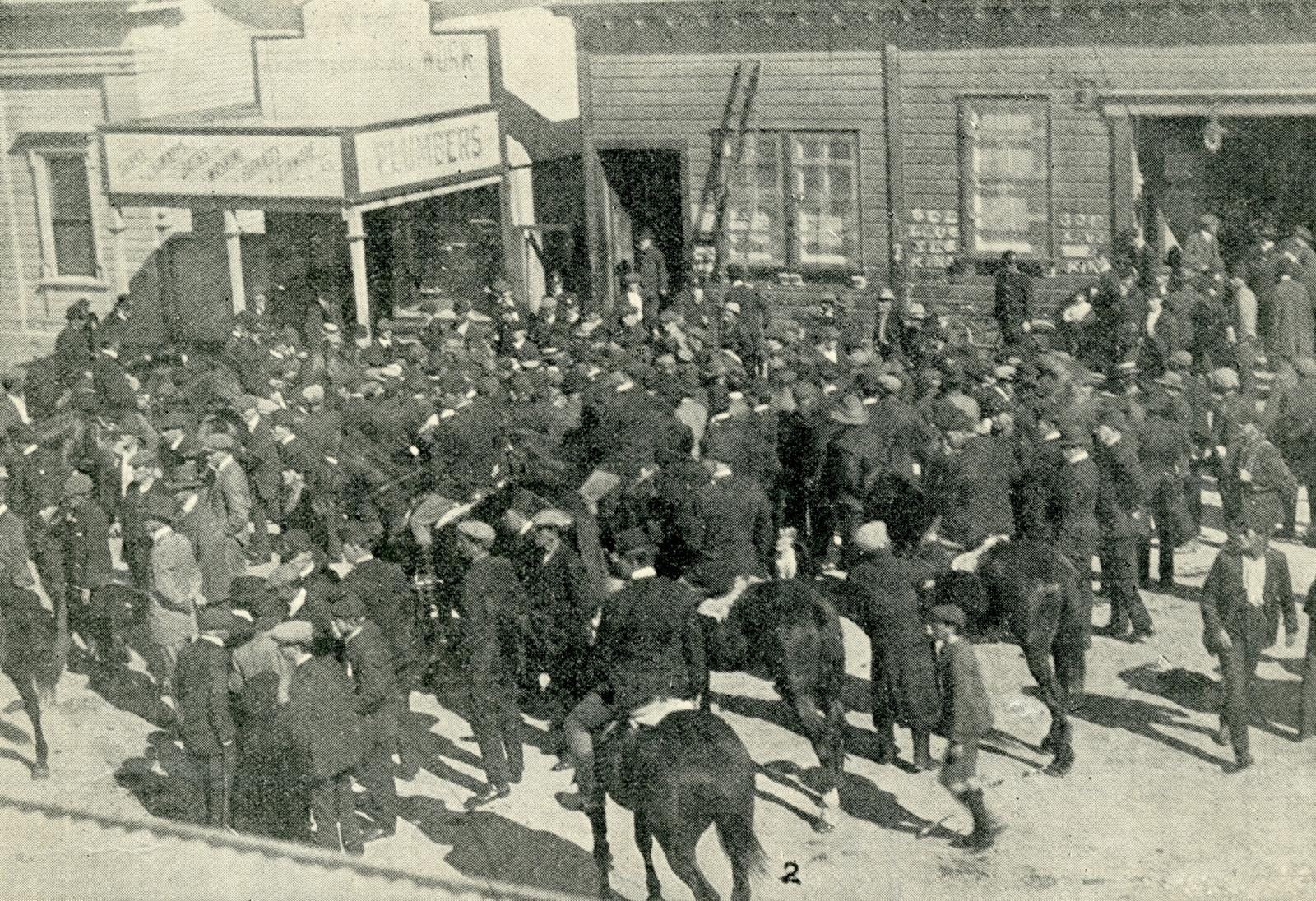
Kellogg’s workers strike over new labor contract, 2021 — Wikimedia Commons contributor (CC BY-SA 2.0). Source: kellogg-s-workers-strike-over-new-labor-contract-2021.jpg

On 5 October 2021, more than 1,400 workers at four Kellogg’s facilities began striking at 1 a.m., one hour after the five-year master contract expired [source: nv-database]. The union demanded abolition of the two-tier wage system (legacy workers made $35/hour, new hires $13 less), no cuts to health care, retirement, and vacation benefits, and inclusion of cost-of-living adjustments [source: nv-database]. Workers formed picket lines, chanted, held signs saying ‘Kellogg’s on strrr-ike!’, and blockaded trucks and temporary workers [source: nv-database]. On 14 October, Nebraska legislators supported the strikers, but Kellogg’s posted ads for long-term replacement workers and threatened to cut or move jobs to Mexico [source: nv-database]. The strike gained national momentum; Kellogg’s North American division reported a 2% net sales decline due to supply disruptions [source: nv-database]. On 4 November, the union rejected Kellogg’s latest proposal, and on 11 November, Kellogg’s filed a lawsuit against the Omaha local union for blocking entrances, which was seen as intimidation [source: nv-database]. On 2 December, a tentative agreement was reached but rejected by most union members three days later due to the slow promotion timeline under the two-tier system [source: nv-database]. Kellogg’s then threatened to replace all 1,400 workers, but the strike continued [source: nv-database]. On 21 December, workers ratified a new five-year contract, ending the 77-day strike [source: nv-database]. The agreement included a 3% wage increase, immediate $1.10/hour raise for veterans, new hires’ pay rising to over $24/hour, and expanded cost-of-living adjustments for all employees [source: nv-database]. The two-tier wage system was not abolished but was made temporary with a path to full employment [source: nv-database].
Key people & organizations
- Bakery, Confectionery, Tobacco Workers, and Grain Millers’ International Union (BCTGM)
- BCTGM Local 3G
- BCTGM Local 374G
- BCTGM Local 252G
- BCTGM Local 50G
- Kellogg Company
- Kris Bahner
- Carol Blood
- Megan Hunt
- Mike McDonnell
- Tony Vargas
- Anthony Shelton
Outcome
Verdict: partial.
The campaign achieved considerable wage increases and cost-of-living adjustments, but the primary goal of abolishing the two-tier wage system was only partially met, as the system remained with a promise of eventual transition. The union and membership were generally satisfied with the contract, which included no concessions [source: nv-database].
Lessons
- Sustained picketing and blockades can effectively disrupt production and pressure a company.
- Building community and political support amplifies a strike’s impact and legitimacy.
- Rejecting an initial tentative agreement can lead to a stronger final contract if workers remain united.
Sources
- nv-database
Disclaimer: Included as a teaching example of campaign craft, not as endorsement.
Sources & verification
nv-database— grounding: primary — license: link-only- Rewritten: 2026-06-25 via
worker_casestudies_v2.py