
Where it took place
| Type | Place |
|---|---|
| Region | Asia |
| Country | not specified |
Campaign at a glance
This regional synthesis covers the state of social movements across South Asia over the past decade (roughly 2014–2024), examining labour, gender, caste, environmental, and human-rights organising in India, Bangladesh, Pakistan, Nepal, Sri Lanka, and Bhutan [source: nv-database]. The report frames the South Asian pattern as distinct from the Western canon: stronger civil-society density, deeper party-movement interfaces (notably CPI(M) in India and the Awami League era in Bangladesh), weaker state protection of civic space, and stronger international-development funding streams [source: nv-database]. It is routed to the case-studies / research category per the manifest rather than as a source page [source: nv-database].
Tactics used
Background
The South Asian social-movement landscape differs from the European and North American canon in four structural features highlighted by the report [source: nv-database]: higher civil-society density and unionisation rates, deeper interfaces between political parties and movement organisations (CPI(M) in West Bengal and Kerala, the Awami League’s mass base in Bangladesh), weaker state protection of civic space (especially under emergency-style rule), and stronger international-development funding streams that shape campaign design [source: nv-database]. The report’s geographical coverage spans India, Bangladesh, Pakistan, Nepal, Sri Lanka, and Bhutan [source: nv-database].
What happened
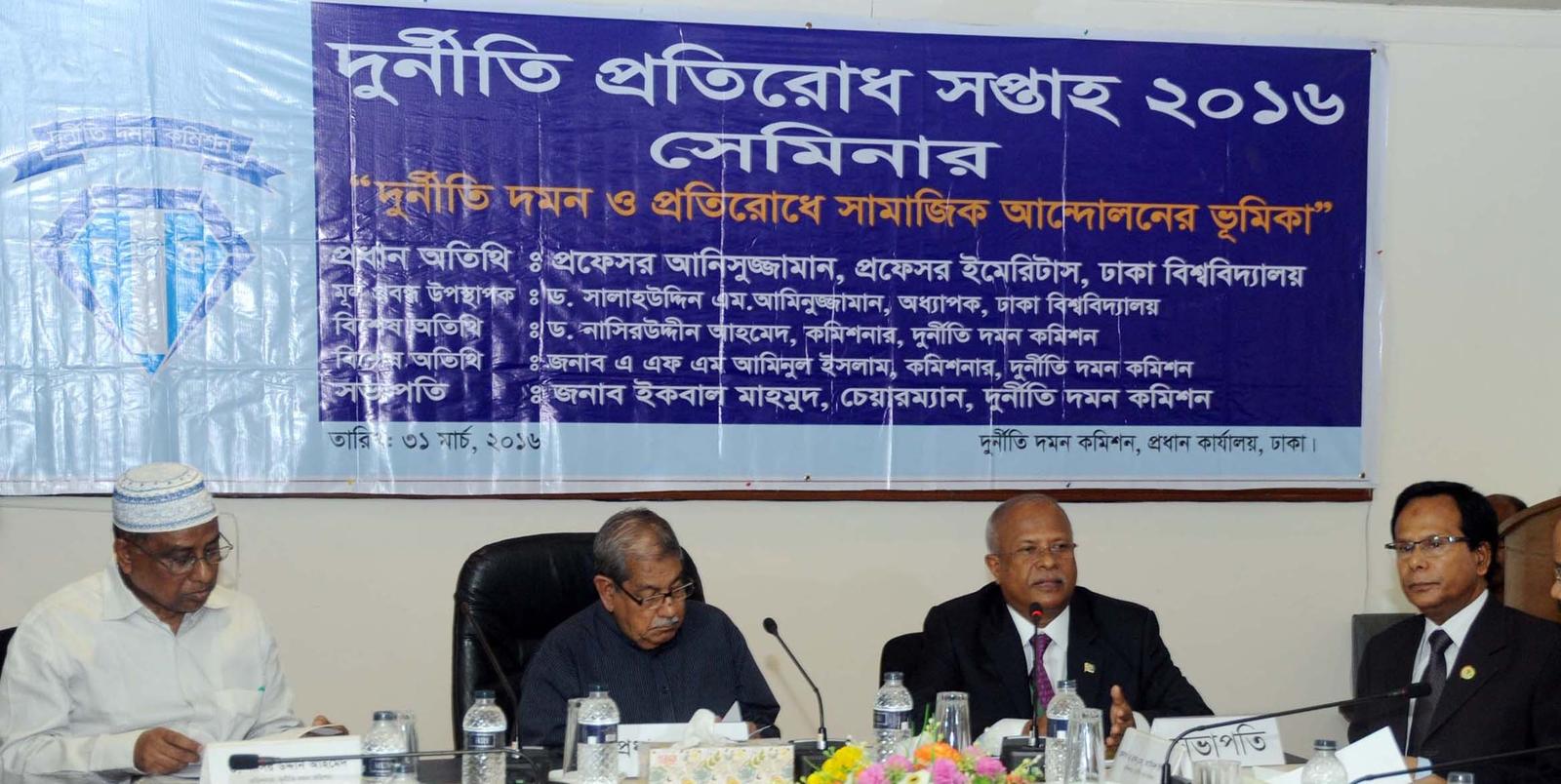
Lead photo. — Press Information Department (Public domain). Source: state-of-social-movements-south-asia.jpg

The report traces a regional cycle of contention across three flagship cases from the post-2020 period [source: nv-database]. It opens with the Indian farmers’ protests of 2020–2021, in which sustained blockades of Delhi’s highways by the Samyukta Kisan Morcha forced the repeal of three contested farm laws in November 2021 [source: nv-database]. It then turns to the Sri Lankan aragalaya of 2022, when cross-class occupation of Colombo’s Galle Face Green and street-level protests forced President Gotabaya Rajapaksa to flee and resign in July 2022 [source: nv-database]. The Bangladeshi student-led quota-reform movement of 2024 is treated as the closing case: university students and the broader public forced Prime Minister Sheikh Hasina to flee Dhaka in August 2024 after weeks of protests and a security-services crackdown [source: nv-database]. Throughout, the report identifies shared structural conditions — youth unemployment, fuel and food price shocks, contested electoral legitimacy — as enabling variables rather than direct causes [source: nv-database].
Key people & organizations
- Samyukta Kisan Morcha (Indian farmers’ unions, 2020–2021)
- Aragalaya organisers, Colombo (Sri Lanka, 2022)
- Students Against Discrimination (Bangladesh, 2024)
- Communist Party of India (Marxist) (CPI(M))
- Awami League (historical mass-base party, Bangladesh)
- Pakistan Tehreek-e-Insaf (PTI) long-march organisers
Outcome
Verdict: mixed.
The Sri Lankan aragalaya forced regime change (Gotabaya Rajapaksa fled and resigned in July 2022) [source: nv-database]. The Indian farmers’ movement achieved a negotiated concession (repeal of the three farm laws in November 2021) [source: nv-database]. The Bangladeshi student movement forced regime change with subsequent major rollback after the security-services crackdown of August 2024 [source: nv-database]. Pakistan’s PTI long-march cycle remains contested at the time of writing [source: nv-database].
Lessons
- South Asia’s combination of high civil-society density and weak state protection of civic space produces a movement ecology in which constitutional litigation functions as a primary tactic alongside street mobilisation [source: nv-database].
- Cross-class occupation (Colombo 2022) and sustained highway blockade (Delhi 2020–2021) are recurring forms that exploit weak state capacity for sustained repression [source: nv-database].
- Party-movement interfaces are double-edged: they can amplify mobilisation (CPI(M) in Kerala) and they can expose movements to backlash when allied parties fall from power [source: nv-database].